For generations of hurling supporters, the game’s history lives not only in scorebooks but in the stories passed between people. Séamus Ryan Lacken was remembered as one of those storytellers: a Newport man whose long memory and affection for Gaelic games helped keep Tipperary and Munster hurling lore alive.
A lifelong connection to Munster hurling
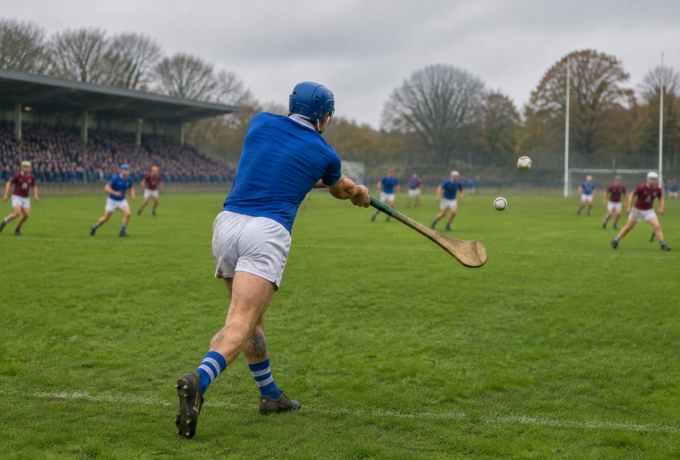
Ryan Lacken’s memories of the game stretched back to his first Munster Final, in 1951, when Tipperary met Cork. He later recalled that match and its players with remarkable detail. By 1986, he was looking forward to his 36th Munster Final, a measure of how closely he followed the competition over decades.
The Gaelic Grounds held a special place in his personal map of hurling. He had watched the rivalry between Tipperary and Cork unfold there and treasured the atmosphere of those contests. His recollections were not limited to one county: he also held affection for Limerick, Clare and Kilkenny, and could recognise memorable performances regardless of the colours involved.
Stories rooted in Tipperary’s GAA history
His attachment to Tipperary was shaped by people and places as well as results. He saw his first All-Ireland hurling final in 1958 and felt a particular connection to the Tipperary team of that era. Jimmy Doyle and Ray Reidy had been his contemporaries at Thurles CBS, while Tony Wall and Thurles Sarsfields held a special place in his regard.
He also remembered Toomevara’s half-back line of Matt O’Gara, Neil Williams and Tom Shanahan, whose team defeated the Blues in 1960. For Ryan Lacken, such memories were not simply lists of players or match outcomes. They were stories coloured by friendships, local identity and the feeling of being present as the game’s history took shape.
His eye for detail extended well beyond Tipperary. Recalling the 1956 Munster Final in Thurles, he could identify the referee and all four umpires more than half a century later. The match was marked by Christy Ring’s late goals for Cork and the controversy around the green flag. Ryan Lacken’s recollection included the people involved and the small incidents that made the day vivid.
A storyteller as well as an authority
The tribute portrays Ryan Lacken not merely as a source of hurling facts, but as a gifted teller of stories. His accounts connected sporting knowledge with the people and places behind it. He could recall a conversation with a former referee, or bring to life the way an old match had been remembered in a town, making the past feel close to listeners.
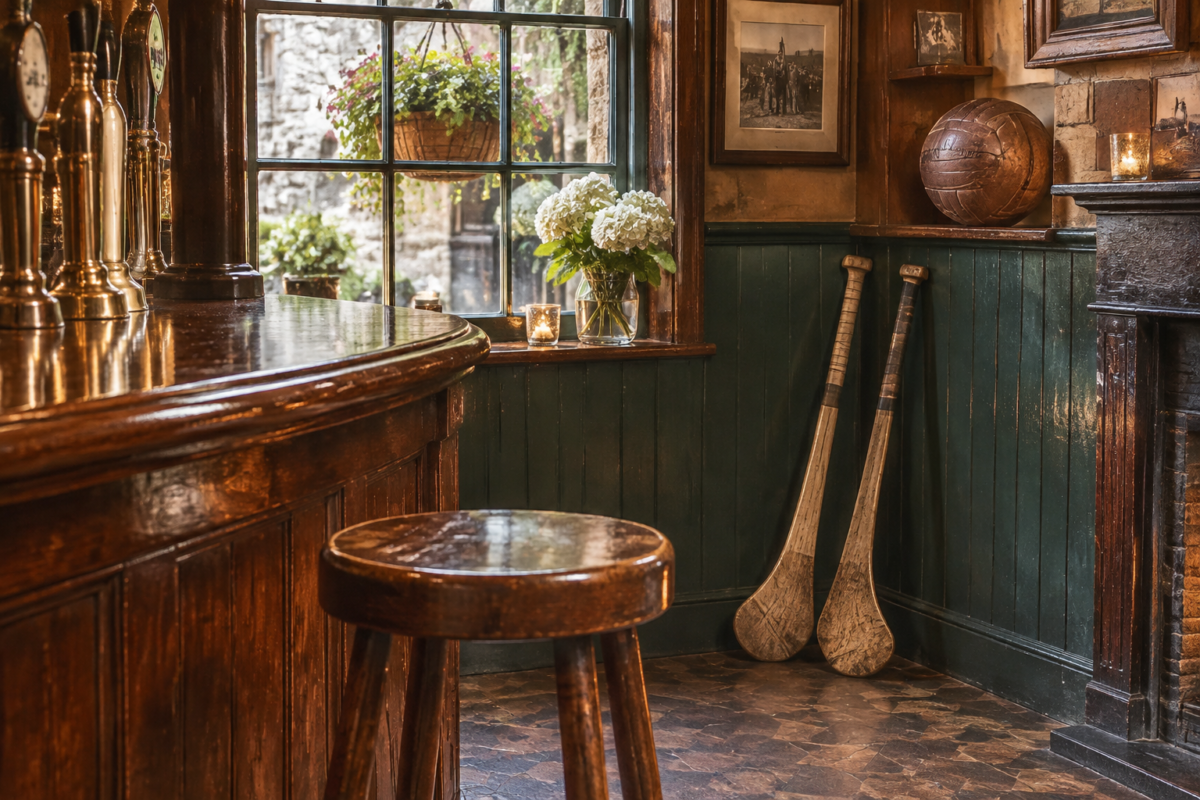
That combination of scholarship and warmth was central to his place in the community. He was associated with the Palace Bar on All-Ireland days, where supporters were likely to encounter him and hear another yarn. The tribute’s closing image is of an absence felt in that familiar social setting, alongside the enduring value of the stories he shared.
A legacy carried in shared memories
Ryan Lacken’s recollections linked Newport and Nenagh with Thurles, the Gaelic Grounds and the wider Munster hurling map. They also preserved details that can be easy to lose as players, officials and spectators pass out of living memory.
His story offers a reminder that local sporting heritage is sustained by more than trophies and archives. It is carried by people who remember, interpret and share what they witnessed. For Tipperary GAA supporters, the practical takeaway is simple: keep telling those stories, and the people and moments behind them remain part of the game’s living history.