Standfirst: The two-day wait starts when vomiting and diarrhoea stop, not when they begin. Here’s when to return to work or school, how to protect others and when to get medical help.
If a stomach bug has been through your house, knowing when everyone can go back to school or work can be harder than knowing when they feel better. The HSE’s guidance on diarrhoea and vomiting is to wait at least 48 hours after the final episode of vomiting or diarrhoea, whichever came last.
The timing matters because norovirus, often called the winter vomiting bug, can still spread after you start to feel better. The advice is longstanding and applies year-round. It is not a new nationwide stay-at-home order.
When can you go back to work, school or crèche?
Count two full days from the last time you vomited or had diarrhoea. For example, if a child was last sick at 7pm on Sunday, 48 hours ends at 7pm on Tuesday. If they remain well, Wednesday morning is the first normal school start after that. If either symptom returns, count again from the most recent episode. The HSE’s advice for parents applies to both school and childcare.
Avoid visiting hospitals or care homes while ill and for at least 48 hours afterwards. Food handlers and staff working with patients or young children should follow their workplace’s infection-control procedures as well. HPSC advice for employers
What are the symptoms of norovirus?
The HSE lists nausea, vomiting and diarrhoea as common symptoms. Some people also get stomach cramps, a mild fever, a headache or aches. Symptoms usually begin a day or two after infection, and the illness generally clears on its own within a few days.
You don’t need to have all three symptoms before following the stay-home advice. Vomiting or diarrhoea can have other causes, so symptoms alone do not confirm norovirus.
What helps at home and what stops it spreading?
Rest and keep drinking. If it’s hard to drink, try small, frequent sips. A pharmacist can advise whether oral rehydration sachets would help replace lost fluid and salts. Keep giving babies their usual breast milk or formula rather than diluting feeds. HSE self-care and dehydration advice
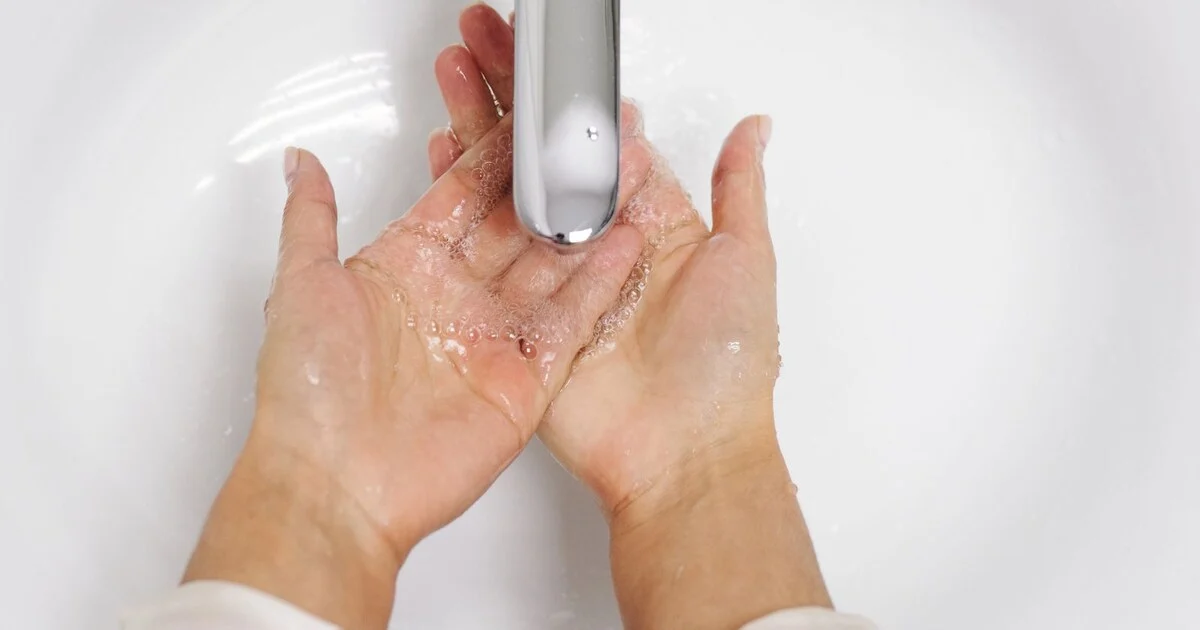
Wash your hands thoroughly with soap and running water, especially after using the toilet or changing a nappy and before handling food. Don’t rely on alcohol hand gel for norovirus. Clean frequently touched bathroom surfaces, wash soiled clothes and bedding on a separate hot wash, and avoid preparing food for others until 48 hours after vomiting and diarrhoea stop. HPSC guidance on limiting household spread
When should you get medical help?
Contact a GP urgently if you or your child keep vomiting and can’t keep fluids down, or have bloody diarrhoea. Also seek urgent GP advice if you’re worried about a baby under 12 months or a young child shows signs of dehydration, such as fewer wet nappies. In adults, dark urine or peeing less than usual can be signs you are losing too much fluid. HSE guidance on adult dehydration
If you or your child vomit blood, develop sudden severe abdominal pain or become confused or unresponsive, the HSE advises calling 112 or 999 or going to an emergency department. Full HSE list of urgent and emergency signs