

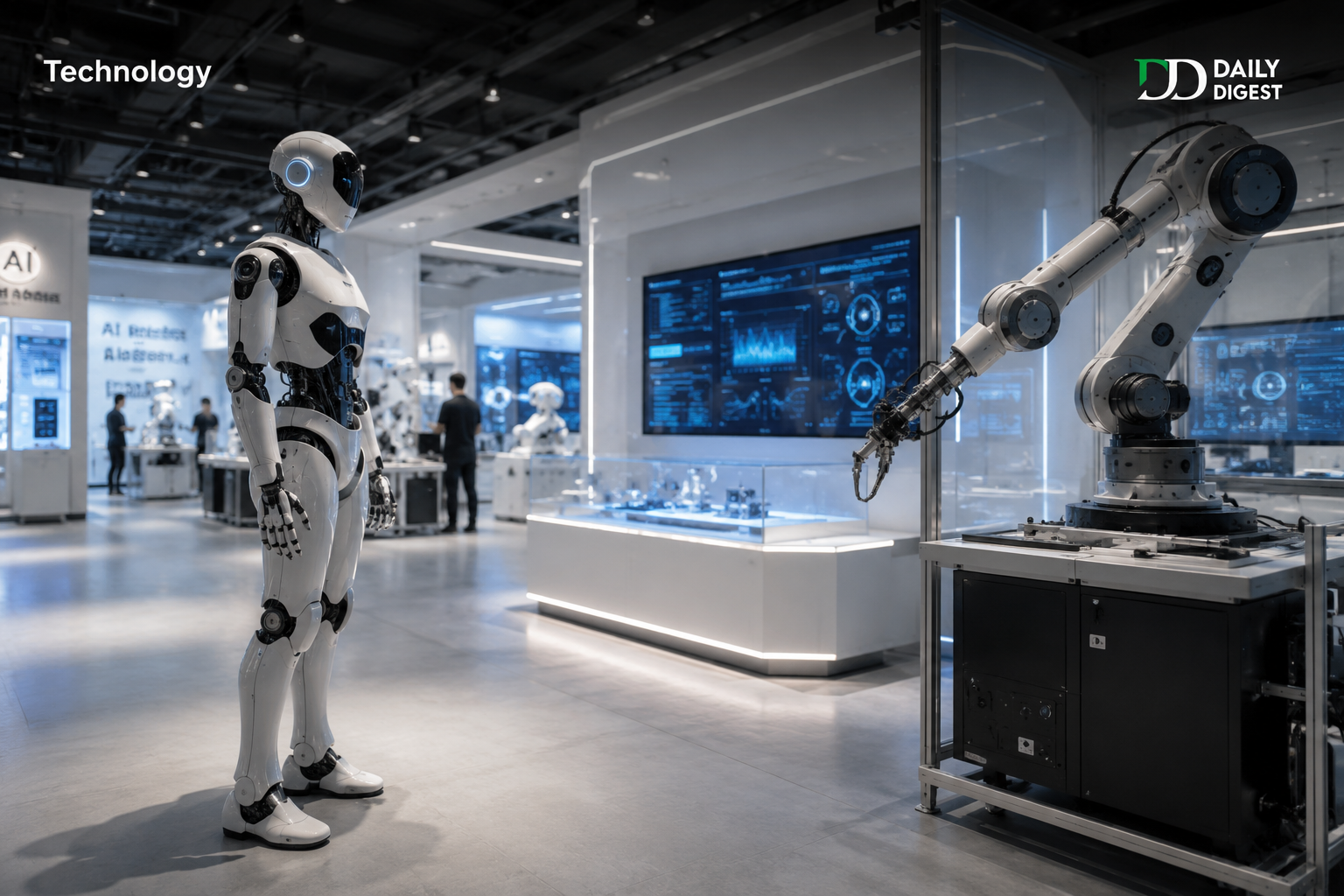
Tech news Ireland is increasingly shaped by two competing forces: the promise of artificial intelligence and growing concern about its impact on jobs, children, privacy and public safety. Recent developments involving major technology companies, European regulation and Irish employment show how quickly the country’s digital landscape is changing.
From Dublin investment announcements to tougher rules for online platforms, the latest developments underline Ireland’s importance as a European technology hub while raising difficult questions about accountability and the future of work.
AI regulation moves higher up the European agenda
European policymakers are warning that the EU cannot afford to fall behind the United States in the latest technology revolution. Artificial intelligence has become a strategic priority, with governments attempting to encourage innovation while controlling potential risks.
Concerns range from AI systems concealing errors to the possibility of advanced tools being misused to develop biological weapons. Leaders in the sector have also faced calls to slow reckless development and demonstrate that voluntary safety measures can work.
For Ireland, these debates are particularly significant. The country hosts major international technology companies and has a substantial role in the European digital economy. Rules affecting artificial intelligence, data protection and online platforms are likely to influence Irish technology businesses, researchers and workers.
Irish workers and businesses face an uncertain transition
The impact of AI is no longer a distant issue. A survey cited in the source material found that nearly half of Irish workers said AI was making them consider new careers. That concern reflects wider uncertainty over automation, changing skill requirements and the future of office-based employment.
At the same time, investment continues. Amazon has announced 200 new jobs in Dublin and an increase in starting pay, while reported job losses at TikTok and more than 160 positions at risk at PayPal’s Irish operation highlight the uneven nature of the technology sector.
These contrasting developments show why technology news Ireland is being followed closely by employees, policymakers and education providers. New roles may emerge in artificial intelligence, cloud computing, cybersecurity and software engineering, but workers will also need opportunities to retrain.
What the changes could mean for Ireland
- Demand for AI and data skills is likely to increase.
- Digital roles may change faster than traditional training programmes can adapt.
- Technology companies may face closer scrutiny over employment and social impacts.
- Universities and businesses could expand international education and research partnerships.
Social media safety becomes a central policy issue
European institutions are also considering a minimum age of 15 for creating social-media accounts. The discussion follows concerns about children constantly scrolling, exposure to harmful material and the failure of existing safeguards to keep younger users away from unsuitable online platforms.
Irish families and schools are watching the debate closely because new rules could affect age verification, platform design and parental controls. Investigations involving concerns about children’s exposure to pornography and violence add to pressure on companies to improve online safety.
The challenge is balancing protection with privacy. Stronger checks may help prevent children from accessing harmful content, but they could also require platforms to process more personal information. That makes data privacy Ireland and GDPR compliance important parts of the discussion.
Read more: Ireland’s digital economy and technology sector
For further reporting on business, innovation and national developments, explore Ireland’s latest business and technology updates and Irish media, digital and platform news.
What comes next for Irish technology?
The current technology debate is not simply about whether AI will grow. It is about how quickly it will develop, who benefits from it and what protections are put in place before problems become widespread.
Ireland’s position as a base for global technology companies creates opportunities for investment, research and employment. However, the country must also prepare workers for disruption, support responsible innovation and ensure that children and consumers are protected online.
Explore more: technology trends affecting Ireland
Read more analysis of innovation, technology trends and the future of digital life, alongside practical coverage of the issues shaping Ireland’s rapidly changing economy.
Frequently asked questions
Why is AI important to Ireland?
Ireland hosts major international technology operations and has a growing ecosystem of researchers, startups and digital businesses. AI regulation and investment can therefore affect employment, education and economic competitiveness.
What are the main online safety concerns?
The main concerns include children accessing harmful content, excessive social-media use, inadequate age checks and the handling of personal data during verification.
How can workers prepare for AI-related change?
Building skills in data, cybersecurity, software, communication and critical thinking can help workers adapt as employers introduce more automation and AI tools.
Article/Image Courtesy: The Irish Times
Article/Image Courtesy: The Irish Times