

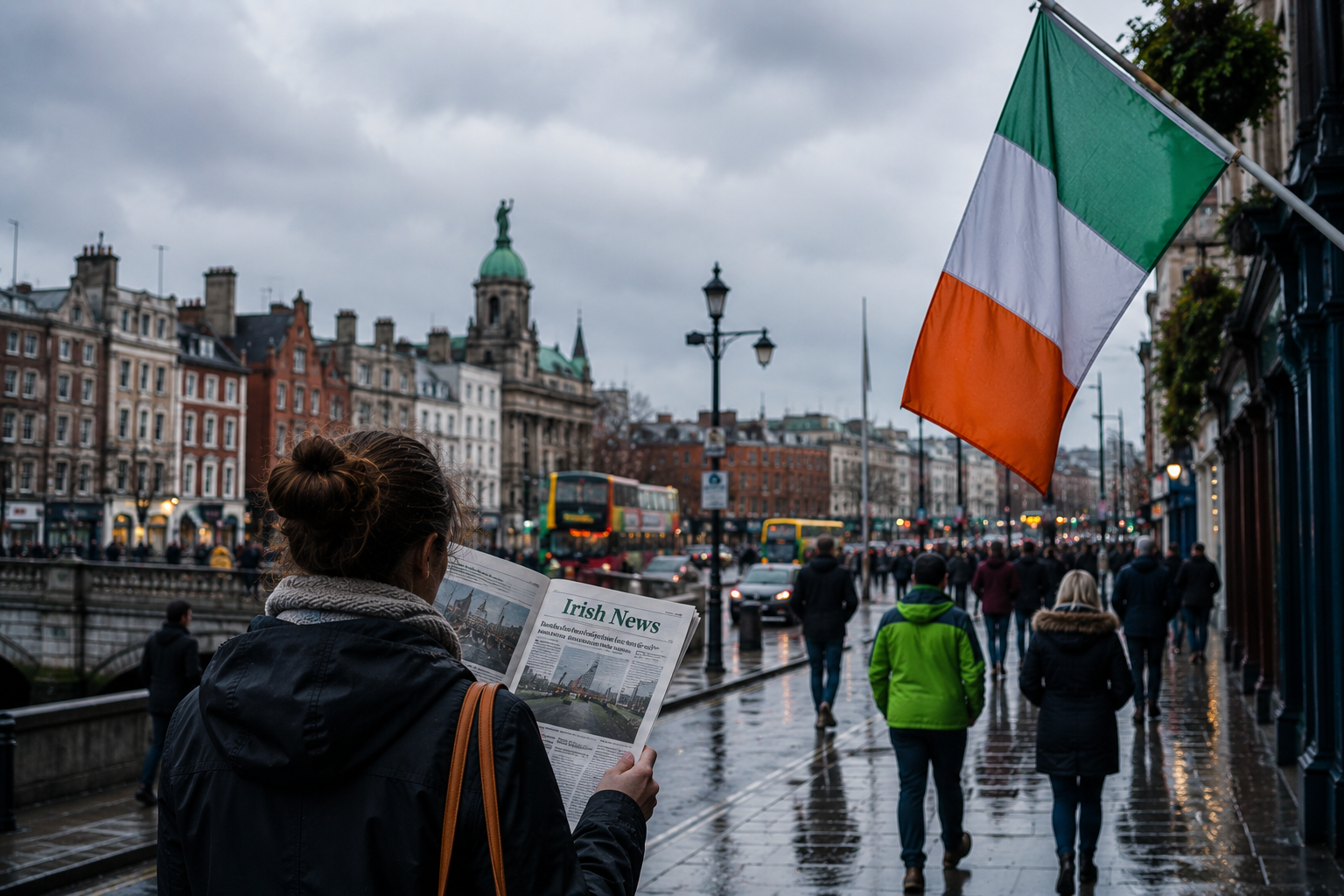
The Shifting Landscape of Ireland’s Neutrality
Ireland has maintained a position of military neutrality for decades, a stance that has shaped its foreign policy and international relations. However, recent geopolitical developments are causing both national and European leaders to re-evaluate the implications of this neutrality in the context of evolving security threats.
Understanding the Context of Neutrality
Neutrality has been a cornerstone of Ireland’s identity since its independence. This policy was designed to protect the nation from the ravages of conflict and to ensure its sovereignty. However, the rise of security challenges in Europe, particularly in light of recent conflicts, calls into question the effectiveness of this approach.
luxury lifestyle news and travel ideas
Recent Developments Raising Alarm
As tensions escalate in Europe, particularly with the ongoing conflict in Ukraine and increased military posturing from various nations, Ireland’s lack of military alliances is becoming a focal point of concern. European nations are beginning to notice that Ireland’s neutrality might pose risks not only to its own security but also to the collective security of the European Union.
Key Security Concerns
- Geopolitical Shifts: The changing dynamics in international relations are prompting discussions on whether Ireland’s neutrality is sustainable in the current climate.
- Increased Military Threats: With rising military capabilities of neighboring countries, Ireland’s position may leave it vulnerable to external pressures.
- European Security Cooperation: The EU is advocating for stronger defense mechanisms, which may necessitate a review of Ireland’s non-alignment policy.
Implications for National and EU Security
The implications of Ireland’s neutrality are multifaceted. On one hand, maintaining a neutral stance allows Ireland to act as a mediator in international disputes. On the other hand, as Europe grapples with new security threats, such as cyber warfare and military aggressions, the question arises: can Ireland afford to remain neutral?
latest Ireland breaking news updates
European leaders are increasingly vocal about the need for a united front against external threats. This has led to discussions about whether Ireland should reconsider its military stance in favor of enhanced cooperation with NATO and the EU’s Common Security and Defence Policy.
Public Sentiment and Political Discourse
Within Ireland, public opinion on neutrality is mixed. Many citizens value the tradition of non-alignment, viewing it as a safeguard against entanglement in foreign conflicts. However, others argue that the current geopolitical landscape necessitates a reassessment of this policy. Political parties are divided on how to navigate this sensitive issue, balancing national pride with the imperative of security.
media news and digital publishing insights
What’s Next for Ireland?
As discussions around security intensify, Ireland faces crucial decisions regarding its military and diplomatic future. Key questions include:
- Will Ireland increase its participation in EU defense initiatives?
- How will changes in foreign policy affect Ireland’s international relationships?
- What steps can be taken to enhance national security without abandoning the principles of neutrality?
Conclusion
As Europe becomes increasingly aware of the challenges posed by Ireland’s neutrality, the nation stands at a crossroads. The decisions made in the coming months will not only impact Ireland’s security but also its role within the broader European context. It remains to be seen how Ireland will navigate these complexities, but the conversation around neutrality is more pertinent than ever.
Key Takeaways
- Ireland’s neutrality is being scrutinized in light of new security threats.
- European leaders are advocating for a united defense strategy.
- Public opinion in Ireland is divided on the future of neutrality.
Article Tags: Ireland neutrality, European security, military threats, geopolitics, public sentiment