



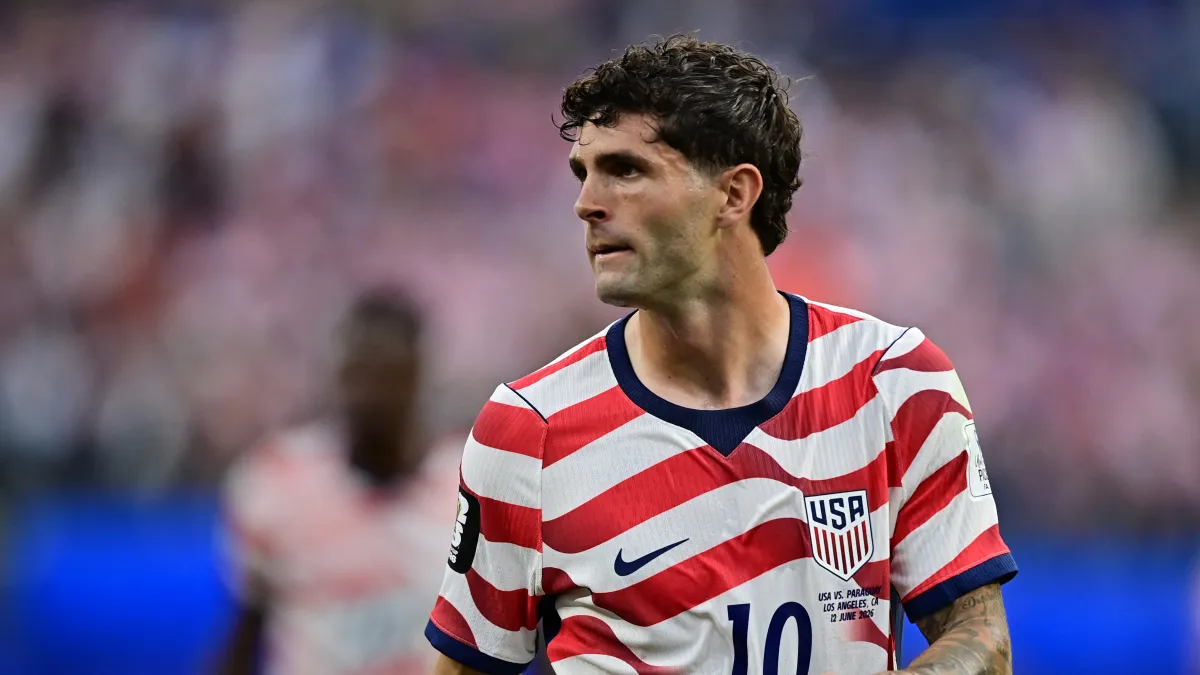
The World Cup 2026 was meant to be the moment the United States showed it could compete deep into the tournament on home soil. Instead, a bruising 4-1 defeat to Belgium ended the run and left the USMNT facing uncomfortable questions about whether progress under Mauricio Pochettino has truly matched the hype.
For long stretches, Belgium looked faster in thought, cleaner in possession and more ruthless in front of goal. The scoreline reflected that control. While the USA had enjoyed a positive path to the knockout rounds, this Round of 16 tie became a sharp reminder of the gap that still exists when facing elite European opposition in the FIFA World Cup 2026.
Where the match slipped away for the United States
The game turned quickly. Belgium seized the midfield, pressed with authority and forced errors from a U.S. side that never looked fully settled. Charles De Ketelaere struck twice, Hans Vanaken punished a catastrophic mistake, and Romelu Lukaku added the late flourish that sealed the result.
The U.S. problem was not simply conceding chances. It was the manner of the collapse. Defensive reactions were slow, the midfield was stretched, and the attack rarely sustained pressure. Even when the Americans found a goal through Malik Tillman, it never felt like momentum had truly shifted.
- Belgium controlled central areas from the opening minutes
- U.S. defensive structure broke down under pressure
- Possession errors repeatedly handed initiative back to the opposition
- The frontline struggled to convert limited openings
This was the kind of knockout match that exposes whether a team can adapt when Plan A stops working. The United States could not.
Read more: Latest sports coverage and tournament analysis
Player verdicts from a damaging night
Matt Freese produced an outstanding early save, but his costly error for Belgium’s third goal overshadowed the highlight. Chris Richards battled, yet the back line as a whole looked uneasy. Tim Ream endured a particularly difficult evening, while Antonee Robinson and Sergino Dest both struggled with defensive discipline.
In midfield, Tyler Adams worked hard and passed responsibly, but he often had too much ground to cover. Tillman offered the brightest attacking contribution, while Weston McKennie’s influence came in flashes rather than sustained control. Christian Pulisic never found the space to dictate the game and Folarin Balogun failed to make the few chances he received count.
The substitutes added some urgency, especially Gio Reyna and Sebastian Berhalter, but by then the contest had already tilted decisively.
Standout positives
- Malik Tillman showed composure and attacking intent
- Tyler Adams remained one of the few reliable outlets
- Reyna and Berhalter injected energy from the bench
Major concerns
- Defensive concentration in key moments
- Limited ball progression against aggressive pressing
- Lack of cutting edge in the final third
Explore: More football features and big-match reaction
Pochettino’s tactical test and what it means next
There is no shame in losing to a strong Belgium side, but there will be scrutiny over how comprehensively the U.S. were second best. Pochettino had improved the team against opponents it was expected to handle, yet this match suggested the next step remains unfinished.
The World Cup 2026 format and schedule gave the host nation a platform. The crowd, the setting and the occasion were all there. What was missing was the authority required in the knockout stage. Against a side comfortable in duels and calm in possession, the United States looked reactive rather than assertive.
That matters because expectations around the World Cup 2026 were never modest. With the tournament spread across the World Cup 2026 host countries and global attention fixed on North America, this was supposed to be a defining chapter for the U.S. men.
Read more: In-depth reads on major global sporting moments
The bigger picture after the World Cup 2026 exit
One defeat should not erase all progress, but this one will linger because of what it represented. The U.S. reached the knockout rounds, yet when the level rose, the team’s weaknesses were magnified. Squad depth, composure under pressure and tactical flexibility all emerged as issues that must be solved before the next major cycle.
For supporters tracking the World Cup 2026 teams, fixtures and knockout stage storylines, this result also underlines a broader truth: ambition alone does not close the gap. The United States still has talent, but talent must be supported by sharper execution and stronger game management.
The clear takeaway from the World Cup 2026 is that the USMNT remains a team with promise rather than proof. To turn home-soil optimism into real contention, the next evolution has to be harder, smarter and far more consistent against top-tier opponents.
Explore: Fresh analysis, previews and football talking points