

Standfirst: Members of the European Parliament have backed postponing certain obligations under the EU Methane Regulation until 2031, rejecting the European Commission’s proposed one-year delay. The move must now proceed through the remaining EU legislative steps, while supporters cite energy security and critics warn of weaker climate action.
Parliament chooses a longer delay
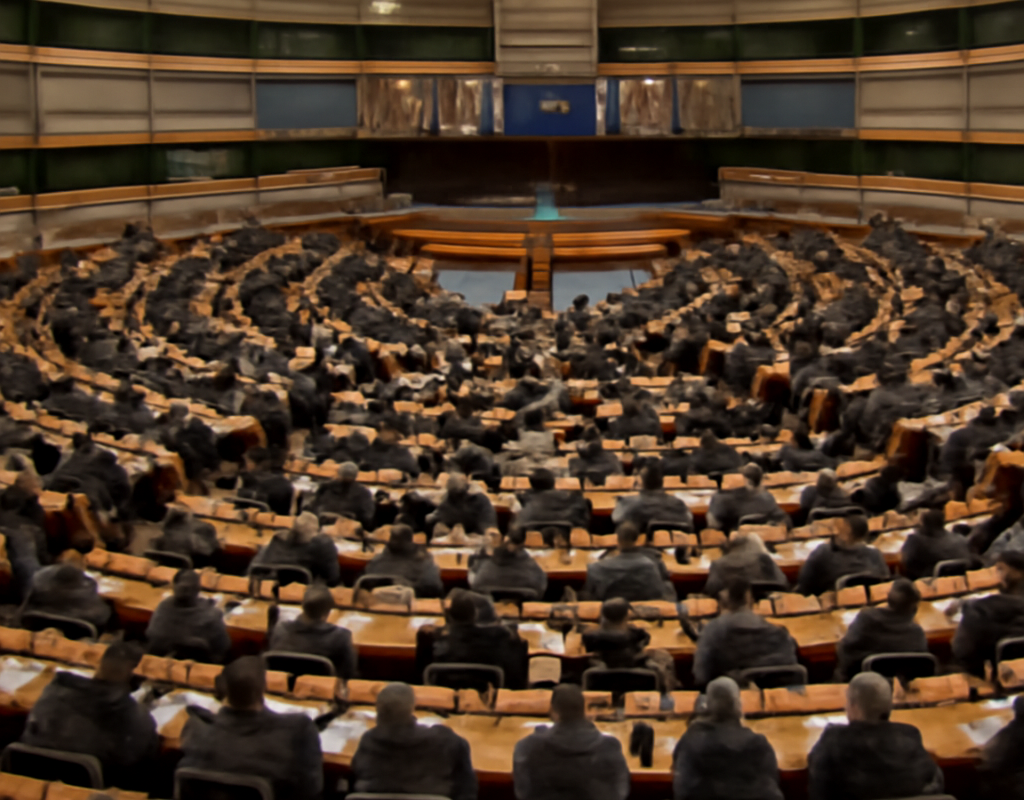
The European Parliament voted on 22 October 2026 to support a three-year postponement of selected obligations under the EU Methane Regulation, extending the proposed timetable from 2029 to 2031. The vote followed political disagreement over the European Commission’s plan for a one-year delay.
The regulation requires fossil-fuel companies importing energy into the European Union to demonstrate that suppliers outside the bloc apply equivalent systems for monitoring, reporting and verifying methane emissions. The obligations are part of the EU’s effort to reduce methane, a highly potent greenhouse gas associated with oil and gas production, processing and transport.
The Parliament’s position is not, by itself, the final law. The amendment is being handled under an urgent procedure, with the stated aim of bringing the changes into force before the end of 2026. Further institutional steps are therefore required before the revised timetable becomes legally effective.
Why the methane rules are being delayed
Supporters of the longer postponement say energy companies need more time to prepare compliance systems and address concerns about security of supply. The debate comes as governments and businesses continue to face pressure from energy prices, disrupted shipping routes and concerns about industrial competitiveness.
The European Commission had proposed a one-year delay after lobbying from the oil and gas sector and several member states. France recently joined countries calling for additional flexibility. Industry representatives and some governments have argued that older production facilities, including ageing wells, could face particular difficulties meeting the original timetable.
Members of the centre-right European People’s Party supported the three-year postponement. Its representatives said the change would provide greater legal certainty, allow verification systems to become operational and ensure that EU producers and imported fossil fuels are treated consistently.
Parliament President Roberta Metsola described the decision as a measure intended to strengthen energy security while giving companies more time to prepare. Supporters have stressed that the postponement does not formally authorise additional methane emissions.
Political divisions over the timetable
The vote exposed a clear divide over the balance between climate policy and energy-market pressures. Social Democrats and Liberals supported the Commission’s shorter delay, while the Greens and The Left argued that the EU should maintain the original 2029 schedule.
Green lawmakers criticised the Commission for responding to pressure from the fossil-fuel industry. They warned that postponing the obligations could reduce incentives for companies to improve emissions monitoring and repair methane leaks.
The Parliament-backed position would also require the Commission to assess in mid-2029 whether further changes are necessary. That review could consider continuing compliance difficulties for energy companies and any ongoing concerns about security of supply.
What the EU Methane Regulation does
EU member states adopted the bloc’s first methane framework for the energy sector in May 2024. It established requirements to measure, report and verify methane emissions and introduced obligations concerning the detection and reduction of leaks.
The regulation also gives authorities tools to request emissions data from companies. Failure to provide requested information can lead to penalties. The rules apply not only to EU production but also to fossil-fuel imports, making them significant for the bloc’s international energy suppliers.
The European Commission proposed a separate three-year waiver of certain penalties in July, citing concerns raised by industry and pressure from the United States, which is the EU’s largest supplier of liquefied natural gas. The Parliament’s latest position goes further than the Commission’s original one-year postponement for selected obligations.
Climate concerns and energy-security arguments
Environmental organisations have opposed any delay, arguing that postponing methane controls will not solve the underlying causes of energy-price volatility. They point instead to global supply disruptions and Europe’s continuing dependence on fossil fuels.
Critics say weaker or later enforcement could:
- Delay investment in methane-monitoring and leak-detection systems.
- Reduce pressure on international suppliers to improve emissions performance.
- Undermine the EU’s position as a leader in global methane policy.
- Make it harder to align energy imports with broader climate objectives.
The European Civil Society Observatory on Methane has estimated that full implementation could deliver substantial climate, health and economic benefits compared with compliance costs. Those figures are estimates from the organisation rather than official EU impact data and have been cited in the wider debate.
Climate Action Network Europe has also called for the regulation to be enforced without delay, linking methane controls to energy security and the longer-term reduction of fossil-gas use.
What happens next?
The Parliament’s vote establishes its position in the urgent legislative process. The revised text must still complete the required EU procedure before it can enter into force. The precise legal effect will depend on the final agreement and its publication in the Official Journal of the European Union.
If adopted, the postponement would give energy companies additional time to establish verification arrangements. It would not remove the methane framework entirely, but it would delay selected compliance obligations and leave open a Commission review in 2029.
For Ireland, the issue matters mainly through the country’s participation in the EU energy market and its reliance on common rules for imported fossil fuels. The Parliament’s position does not immediately change Irish law or create an instant new obligation for Irish households. Its eventual effect will depend on the final EU text and the date on which the revised requirements apply.
Conclusion
The European Parliament has backed a three-year delay to parts of the EU methane rules, prioritising implementation time and energy-security concerns over the shorter postponement proposed by the European Commission. The decision is not yet the final legal outcome. The next stage will determine whether the 2031 timetable is formally adopted and how the EU balances methane reductions with pressure on energy suppliers and prices.