


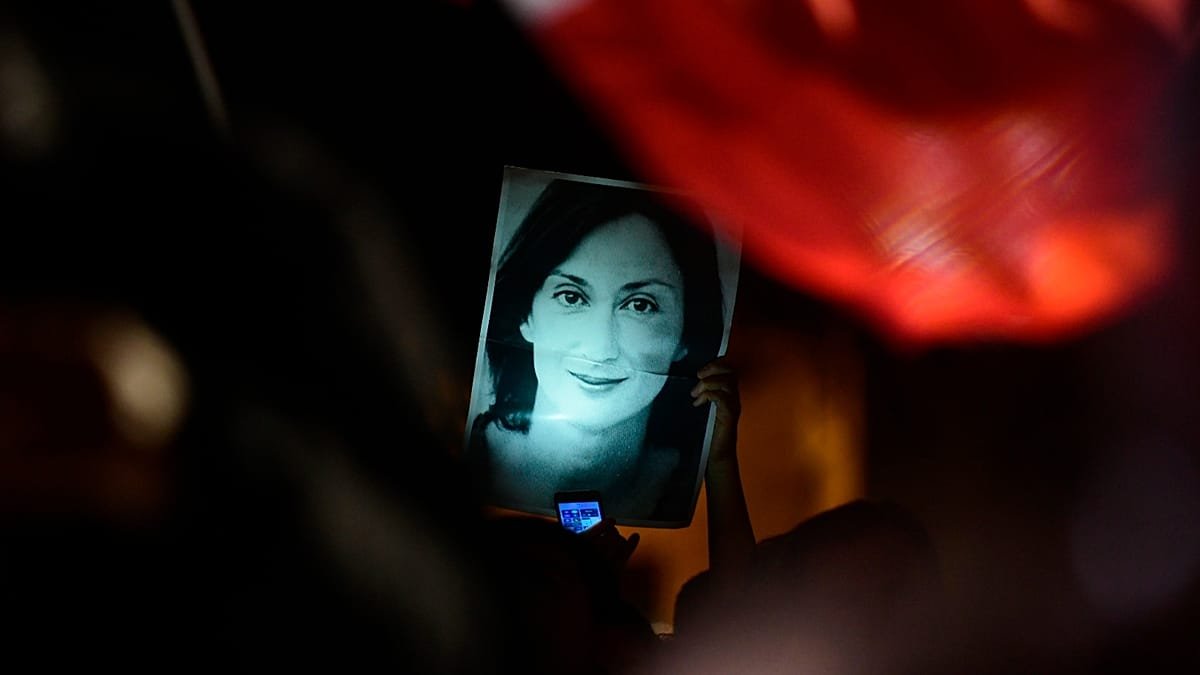
The latest Europe news from Malta marks a major moment in one of the continent’s most closely watched press freedom cases. Nearly nine years after investigative journalist Daphne Caruana Galizia was killed in a car bomb attack, the trial has begun for businessman Yorgen Fenech, who is accused of masterminding her murder.
The case has long resonated far beyond Malta because Caruana Galizia’s reporting examined alleged corruption at the highest levels of power. Her death triggered international outrage, sharpened scrutiny of the rule of law in Malta, and became a defining story in irish news, ireland news, and wider European coverage about journalist safety and democratic accountability.
Europe news spotlight: Why the Daphne Caruana Galizia trial matters
Fenech appeared in court as proceedings formally opened in a trial that many observers see as a crucial test of justice in Malta. He is charged with commissioning the assassination of Caruana Galizia, a prominent journalist and blogger who was killed when a bomb planted in her car exploded near her home in 2017.
Her son, Paul Caruana Galizia, said on social media that the man accused of ordering his mother’s murder is finally standing trial almost nine years after her death. Family lawyer Jason Azzopardi also confirmed that the proceedings had started.
For anyone following Europe news, the case stands out because it touches on several urgent themes at once:
- press freedom and journalist protection
- political accountability
- corruption investigations
- public trust in the justice system
- the strength of democratic institutions in EU member states
Caruana Galizia was widely known for exposing alleged links between business interests and political elites in Malta. Her work made her one of the country’s most influential and controversial public figures.
Read more: latest Ireland breaking news updates | best Irish media and politics analysis
What prosecutors allege in the Malta murder case
According to the prosecution case cited in Maltese reporting, Fenech allegedly wanted Caruana Galizia killed because she was close to publishing damaging claims concerning his uncle. Fenech has denied the accusations.
He was arrested in 2019 while aboard his yacht as he attempted to leave Malta. His arrest came after a middleman in the case was offered a pardon in exchange for identifying others involved in the plot.
This stage of the trial follows years of legal and political fallout. In 2024, a court rejected an attempt by Fenech to invalidate statements he made to police after his arrest. He had argued those statements were made while he was under the influence of cocaine.
As this Europe news story develops, prosecutors will try to prove that the businessman was the central figure behind the murder plot, while the defence is expected to challenge both the evidence and the state’s handling of the case.
Convictions already secured in the case
Several people have already been convicted over their roles in the killing:
- Robert Agius and Jamie Vella were convicted in June 2025 of supplying the bomb and received life sentences.
- George Degiorgio, Alfred Degiorgio and Vince Muscat were convicted for carrying out the murder.
- In total, five people have so far been convicted in connection with the assassination.
That means the current trial is focused on whether prosecutors can prove who ordered the attack.
How the killing changed Malta’s politics and Europe news coverage
Caruana Galizia’s death did not only spark grief and anger. It also triggered a prolonged political crisis in Malta. Public protests and mounting criticism eventually contributed to the resignation of then-prime minister Joseph Muscat in January 2020 amid claims that people close to power were being shielded from scrutiny.
A public inquiry published in 2021 concluded that the Maltese state should bear responsibility for creating an atmosphere of impunity that enabled the murder. The panel of judges found that the state had failed to protect the journalist and that repeated attacks on her by politicians helped create a dangerous climate.
The inquiry’s findings remain central to this Europe news story because they transformed the case from a criminal prosecution into a broader reckoning over state responsibility, institutional failure, and media freedom in the EU.
Explore more: in-depth European current affairs and luxury world insights | top Ireland long-form news stories today
Justice, press freedom and the wider European response
Press freedom groups are watching closely. Reporters Without Borders said the trial revives hope that justice may finally be delivered for a crime that became a symbol of the dangers faced by investigative reporters.
In Europe news terms, this trial is about more than one defendant. It raises wider questions about whether journalists can safely investigate corruption, whether powerful networks can be held accountable, and whether EU democracies are doing enough to protect watchdog reporting.
For readers of ireland news and irish news, the case also reflects a broader concern shared across Europe: attacks on journalists are not only attacks on individuals, but on the public’s right to know.
Key questions readers are asking
- Who is on trial? Maltese businessman Yorgen Fenech, accused of ordering the murder.
- Who was Daphne Caruana Galizia? A leading investigative journalist known for reporting on corruption in Malta.
- Why is the case important? It has become a landmark test of justice, state accountability and press freedom in Europe.
- Have others been convicted? Yes, multiple people have already been convicted for carrying out the bombing and supplying explosives.
The reopening of this courtroom battle ensures the case will remain central to Europe news coverage in the months ahead. The clearest takeaway is this: the trial of the man accused of ordering Daphne Caruana Galizia’s murder is not just about one shocking assassination, but about whether truth, accountability and press freedom can prevail when powerful interests are challenged.
Article/Image Courtesy: Euronews