




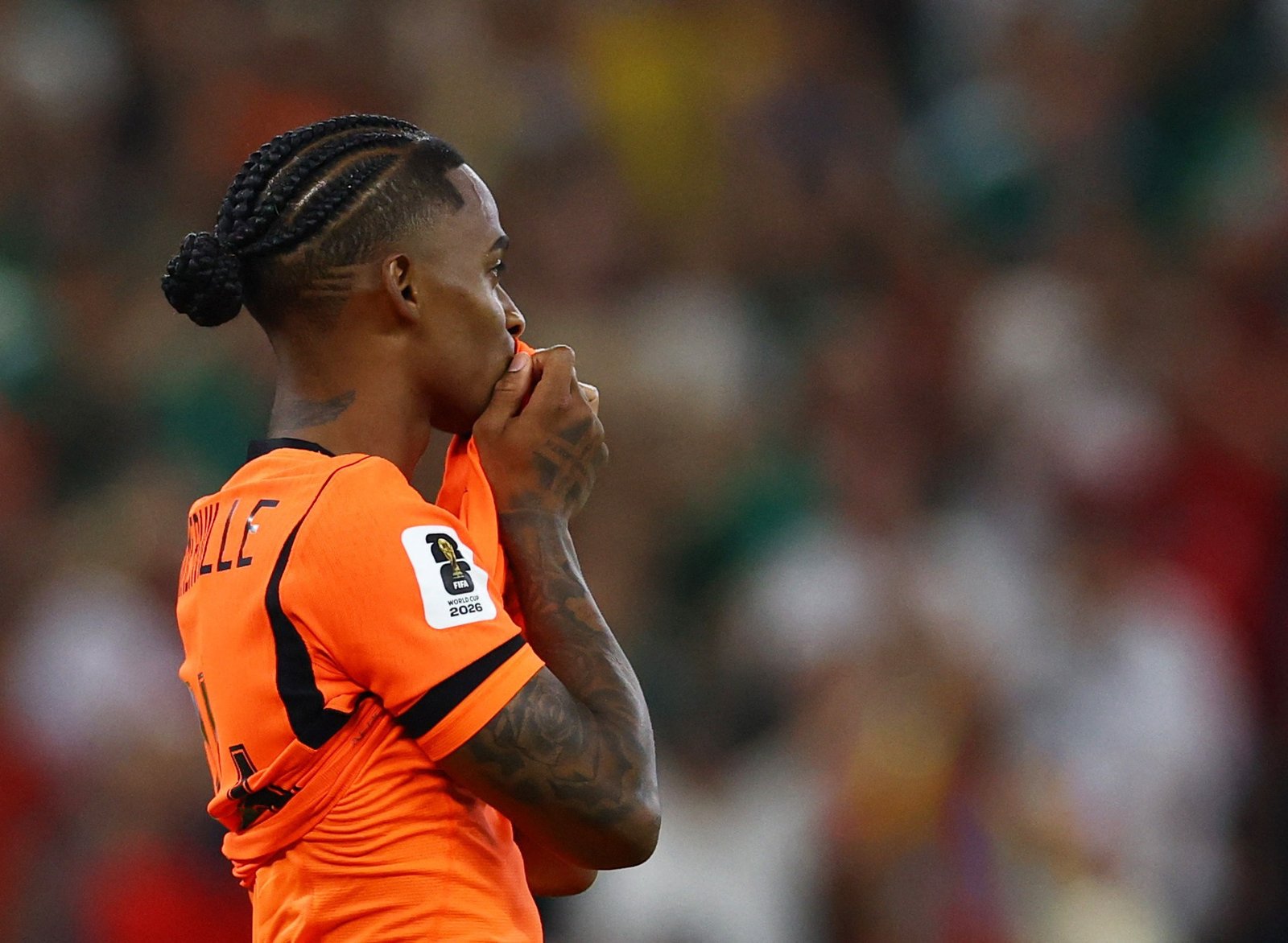
The fallout from the Netherlands’ World Cup exit has quickly moved beyond football and into the courts, making this a major Europe news story with wider implications for racism in sport. The Dutch Football Association has confirmed it is pursuing legal action after several Netherlands players were targeted with racist abuse online following their team’s penalty shootout defeat to Morocco.
According to the Dutch Football Association, known as the KNVB, the abusive messages were collected and passed to the public prosecutor for possible criminal proceedings. The move comes after a wave of discriminatory comments appeared on social media after the Netherlands were knocked out in the round of 32 in Monterrey, Mexico, following a 1-1 draw and a penalty loss.
Europe News: Dutch Football Association Seeks Legal Action
The KNVB said it wanted to send a firm message that racist abuse is not just unacceptable but can also carry legal consequences. In its public response, the association said it may not be possible to detect every offensive message or identify every offender, but it still believes strong action is necessary to draw a clear line.
This latest Europe news development reflects a growing trend across European football authorities, who are increasingly pushing for legal accountability when online hate targets players. Rather than treating abuse as an unfortunate by-product of social media, football bodies are now treating it as a serious public matter.
Players targeted after penalty defeat
The racist abuse was reportedly directed at three Black Dutch players who missed penalties in the shootout:
- Justin Kluivert
- Quinten Timber
- Crysencio Summerville
The defeat to Morocco ended the Netherlands’ World Cup campaign and sparked intense criticism online, but the KNVB said some of that reaction crossed into outright racism and discrimination. That distinction is central to the complaint now being reviewed by prosecutors.
Read more: latest Ireland breaking news updates today | in-depth Irish news and current affairs coverage
Why the case matters beyond Dutch football
This is not only a football story; it is also a test case in how institutions respond to racism in digital spaces. Across Europe news coverage in recent years, online abuse of athletes has become a recurring issue, especially after high-pressure losses, missed penalties or controversial performances.
The KNVB’s decision to escalate the matter could become a benchmark for other national associations. If prosecutors move forward, it may encourage similar action in future incidents involving footballers, coaches or officials subjected to hate speech online.
For readers following irish news and ireland news, the case also resonates because debates around online abuse, sports accountability and anti-racism policy are increasingly relevant across Europe, including in Ireland’s sporting and public life.
Prime minister condemns the abuse
Dutch Prime Minister Rob Jetten strongly criticised the messages and said legal action should help set an example. He described the reaction as completely unacceptable and highlighted the hypocrisy often seen in sport: players are celebrated when they succeed, but can become targets of hostility and racism when results go wrong.
His comments underline the political significance of the case. This is no longer being viewed merely as fan misconduct, but as a broader social problem involving race, identity and public standards in the digital age.
Racism in football remains a stubborn problem
Despite years of anti-racism campaigns from FIFA, UEFA and national federations, incidents involving players of colour continue to surface at both club and international level. Social media has made abuse faster, more visible and more difficult to police. That reality keeps stories like this at the centre of Europe news reporting.
Key concerns raised by this case include:
- The speed with which racist abuse spreads after major matches
- The challenge of identifying anonymous or pseudonymous users
- The need for stronger enforcement by both prosecutors and platforms
- The emotional toll on players already dealing with public disappointment
The KNVB’s complaint suggests football authorities are no longer satisfied with symbolic statements alone. They want legal deterrence, public accountability and a stronger framework to protect players.
Explore more: European lifestyle and premium current trends magazine | top Ireland news headlines and analysis online
What happens next
Prosecutors will now assess the material submitted by the Dutch Football Association and determine whether criminal charges or further investigative steps are warranted. That process could include tracing social media accounts, reviewing the content of messages and assessing whether the abuse meets the threshold for prosecution under Dutch law.
For now, the case stands as one of the most important Europe news stories in football this week because it combines sport, law and racial justice. It also serves as a reminder that the aftermath of a World Cup defeat can reveal deep social tensions far beyond the pitch.
Conclusion
The Dutch FA’s complaint is more than a reaction to a painful loss; it is a public statement that racist abuse should have consequences. As this Europe news story develops, the key takeaway is clear: players must not be left to face discrimination alone, and football authorities are under growing pressure to turn condemnation into action.
FAQs
Why is the Dutch FA taking legal action?
The KNVB says racist and discriminatory social media posts aimed at Dutch players after the World Cup defeat crossed legal and moral boundaries, so it referred the matter to prosecutors.
Which players were reportedly targeted?
Justin Kluivert, Quinten Timber and Crysencio Summerville were identified as the players who received racist abuse after missing penalties.
What match led to the backlash?
The Netherlands lost to Morocco on penalties after a 1-1 draw in the World Cup round of 32 in Monterrey, Mexico.
Why is this relevant in Ireland and across Europe?
For audiences following ireland news, irish news and broader European affairs, the case highlights shared concerns about racism in sport, online accountability and player welfare.