

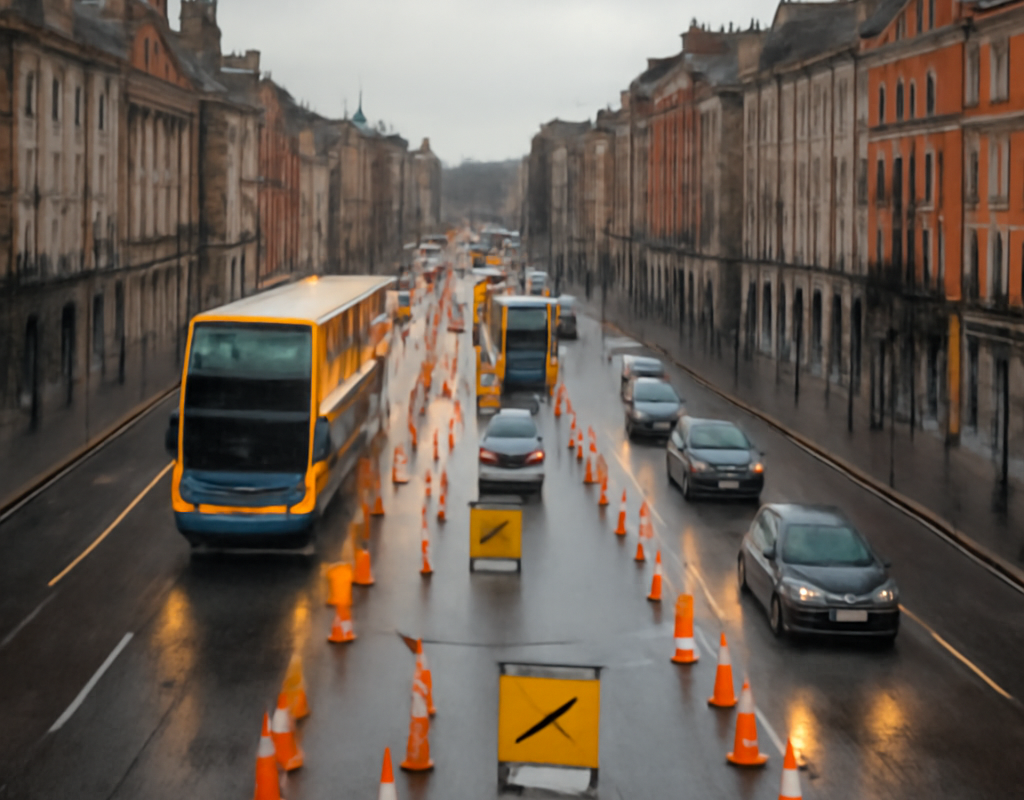
Dublin road closures can quickly affect commuting times, public transport connections and access to city-centre areas. Drivers, cyclists and pedestrians should check the latest official travel information before setting out, particularly when works, events or emergency activity are taking place.
Dublin road closures and the impact on daily travel
Planned closures can create delays well beyond the street or junction directly affected. Traffic may divert onto nearby routes, increasing congestion during morning and evening peak periods. Bus services may also be moved or delayed, while parking restrictions can change how residents and businesses access local areas.
The November travel picture may involve several different types of restriction, including:
- Temporary closures for roadworks or utility works
- Lane restrictions and contraflow systems
- Access controls connected with public events
- Short-notice closures linked to collisions or emergency services activity
- Parking suspensions and altered loading arrangements
Not every restriction has the same duration. Some may operate only at certain hours, while others can continue for several days. Road users should read local signage carefully and allow additional time rather than relying on familiar routes.
Why the closures matter for commuters
Dublin’s roads carry large volumes of commuter, commercial and public transport traffic each day. A restriction on one major route can place pressure on surrounding streets, especially where there are limited alternative crossings or approaches to the city centre.
For people travelling to work, school, medical appointments or Dublin Airport, the practical effects may include longer journey times and missed connections. Businesses may also need to plan for delayed deliveries and reduced customer access.
Public transport users should check operator updates before travelling. A road closure can affect bus stop locations, route diversions and estimated arrival times even when rail services are operating normally. Passengers making a bus-to-rail connection should leave extra time for the road section of their journey.
How drivers can prepare for Dublin road closures
Preparation is particularly important when a journey involves a fixed arrival time. A route that normally takes a predictable amount of time can become unreliable when traffic is diverted.
- Check the route shortly before departure. Planned works can change, while unplanned incidents may create new delays.
- Identify an alternative route. Do not wait until reaching a closure to decide where to go next.
- Allow extra time. Delays can extend into neighbouring streets and junctions.
- Follow temporary signs and directions. Diversions may be introduced for safety reasons and may not match navigation-app suggestions.
- Avoid blocking junctions. Keeping intersections clear helps traffic move through restricted areas.
Drivers should also be alert to pedestrians and cyclists using unfamiliar routes. Temporary layouts, narrowed lanes and increased traffic can make conditions more difficult for vulnerable road users.
Information for residents, businesses and visitors
People living within or near an affected area should look for notices about access, parking and deliveries. A closure does not always mean that every property becomes inaccessible, but entry arrangements may be controlled or limited at particular times.
Businesses can reduce disruption by informing staff, customers and suppliers in advance. Where possible, deliveries should be scheduled outside the busiest periods and drivers should be given clear instructions about approved access points.
Visitors travelling into Dublin should consider whether a nearby park-and-ride facility or public transport option is more reliable than driving directly into a restricted area. The best choice will depend on the location, time of day and the status of services at the time of travel.
What happens when conditions change?
Road arrangements can be revised if works finish early, safety conditions deteriorate or an incident affects the planned diversion. That means information published earlier in the day may not reflect the situation later on.
For the most accurate update, road users should prioritise information from the authority managing the road, Gardaí where an incident is involved, and transport operators responsible for affected services. Social media posts can provide useful alerts, but travellers should confirm important details through official channels.
Frequently asked questions
How can I find the latest information on Dublin road closures?
Check updates from Dublin City Council, Transport Infrastructure Ireland, Gardaí and the National Transport Authority. Bus and rail operators may publish separate service information.
Will a closure affect public transport?
It may. Bus routes can be diverted, stops can be temporarily relocated and journey times can increase. Rail services are not automatically affected, but connecting road journeys may be slower.
Should I use a navigation app?
Navigation apps can help identify alternatives, but temporary signs and instructions from traffic officials take priority. Apps may not immediately reflect emergency restrictions or local access arrangements.
What should businesses do?
Businesses should check delivery access, communicate changes to staff and customers, and allow additional time for incoming and outgoing traffic.
Key takeaway for Dublin road users
The safest approach to Dublin road closures is to plan early, check official updates immediately before travelling and expect conditions to change. Extra journey time, a backup route and attention to temporary signs can help drivers, commuters and local businesses manage disruption more safely.