

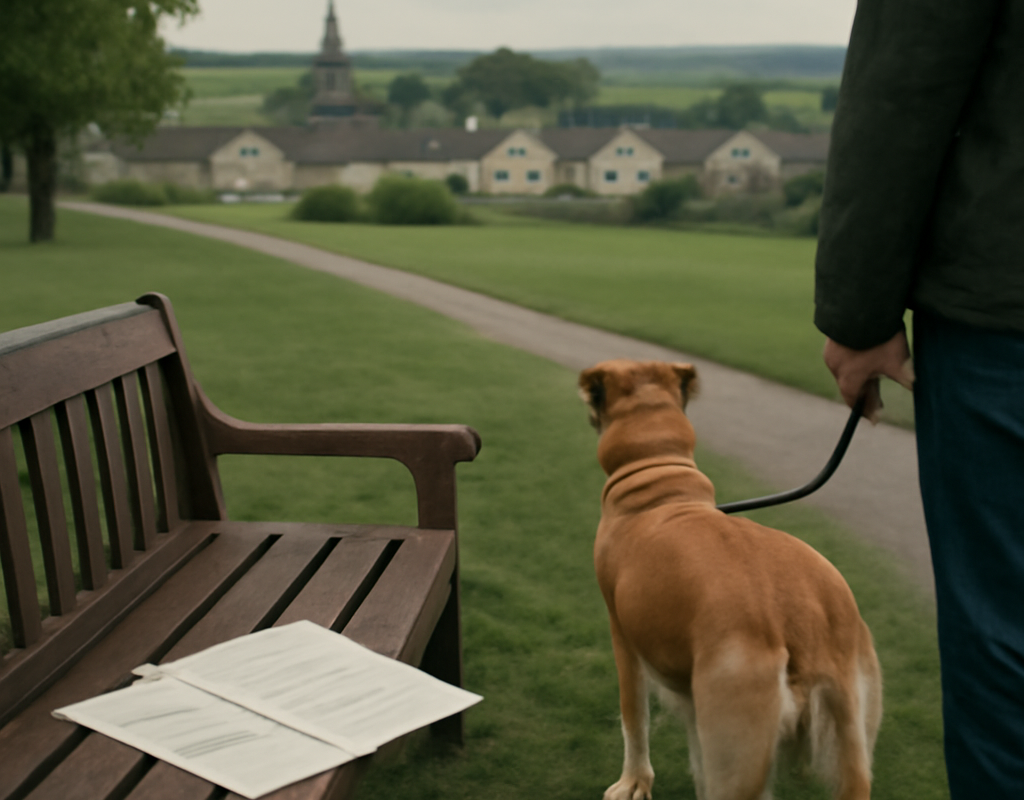
Ireland’s approach to responsible dog ownership is under review as the Dog Control Stakeholder Group brings government bodies, animal welfare organisations and representative groups together. Published on gov.ie, the group’s work is focused on strengthening dog control policy and legislation across the country.
Established in March 2024 by the Department of Agriculture, Food and the Marine, the Dog Control Stakeholder Group meets quarterly and considers recommendations linked to public safety, responsible ownership and animal welfare.
Dog Control Ireland: What the Stakeholder Group Does
The group provides a forum for organisations with direct experience of dog ownership, enforcement, veterinary care, farming and animal protection. Its stated purpose is to make recommendations on how Ireland’s dog control framework could be improved.
The group is chaired by former Deputy Garda Commissioner John Twomey. Its membership includes representatives from the Department of Rural and Community Development, the Department of Agriculture, Food and the Marine, the Department of the Environment, Climate and Communications, and An Garda Síochána.
Other participating organisations include:
- Dogs Trust, Blue Cross, DSPCA, Madra and the ISPCA
- Irish Kennel Club, Veterinary Ireland and the Irish Veterinary Nursing Association
- Irish Farmers’ Association and the Hunting Association of Ireland
- Association of Pet Dog Trainers Ireland and UCD School of Veterinary Medicine
- County and City Management Association, Comhairle na Tuaithe and the National Association of Regional Game Councils
Why the group matters
Dog control is a cross-sector issue. Local authorities and An Garda Síochána have roles connected with enforcement and public safety, while veterinary and animal welfare organisations bring expertise on behaviour, welfare and responsible care. Bringing these perspectives together can help inform future policy decisions.
Documents Available on gov.ie
The official gov.ie publication provides access to the group’s terms of reference, meeting agendas, minutes and membership details. Agendas and minutes are listed for nine meetings, giving readers a record of the group’s work as published by the Department of Agriculture, Food and the Marine.
The documents can help dog owners, trainers, farmers, welfare organisations and policymakers follow the development of discussions without relying on summaries. They also provide a clear record of the group’s formal structure and participating organisations.
What dog owners should know
The publication does not announce a specific new law or immediate change to dog ownership requirements. Instead, it records the work of a stakeholder group that may make recommendations on future policy and legislation. Dog owners should continue to follow current official guidance from their local authority and relevant government services.
For authoritative information, the gov.ie publication remains the appropriate source for the group’s documents. Local authorities are also an important point of contact for practical dog control matters in each area.
What Happens Next?
The stakeholder group’s recommendations could contribute to discussions about the future direction of dog control policy and legislation. However, any confirmed legal changes would need to be announced through the appropriate Government channels.
For now, the publication offers transparency on who is involved, how often the group meets and where its supporting documents can be found. The key takeaway is that Ireland’s dog control framework is being examined through a broad partnership of public bodies and specialist organisations.
Article/Image Courtesy: gov.ie