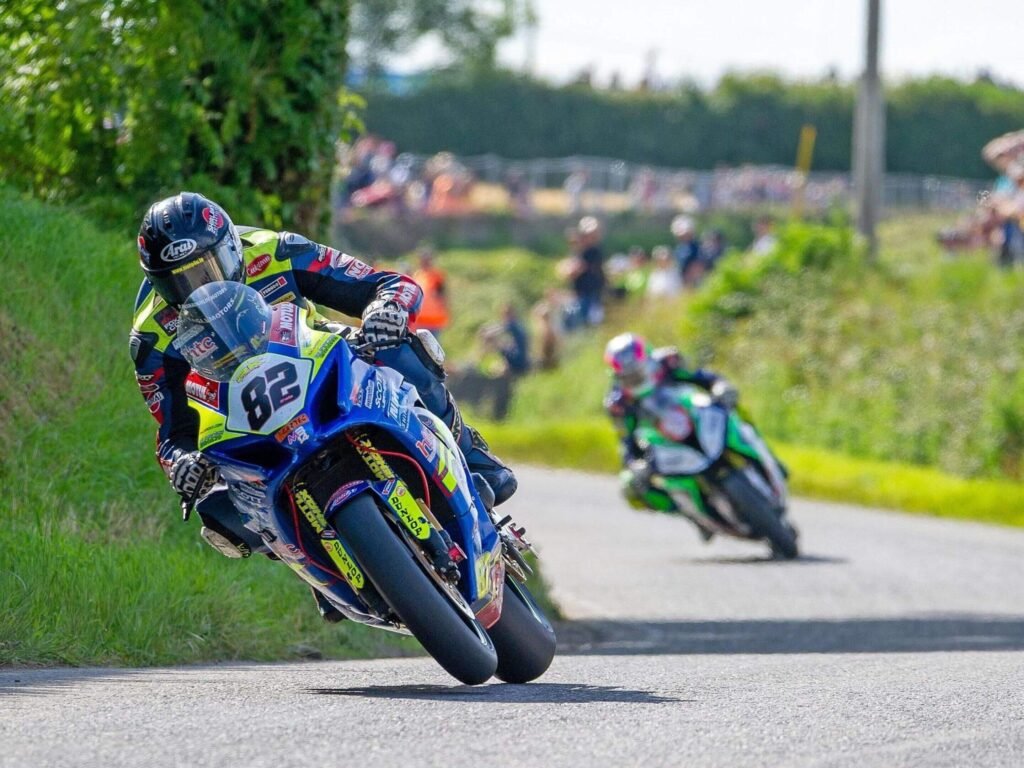
The Skerries 100 2026 is not simply a motorcycle race returning to the calendar. It is a landmark moment for Irish road racing. It marks 80 years since the first Skerries 100 in 1946, brings one of County Dublin’s great sporting traditions back to life, and gives fans another chance to experience the sound, speed and spirit of pure road racing.
For Skerries, it is heritage. For riders, it is a challenge. For spectators, it is theatre. For Irish motorsport, it is a welcome roar after years of uncertainty.
On 4 and 5 July 2026, the roads around Milverton will once again carry the sound that fans have been waiting for. The Skerries 100 is back.
The Riders And Records
Over the decades, the Skerries 100 has attracted some of the biggest names in Irish and international road racing. The event’s record books are tied closely to the wider history of the sport.
Joey Dunlop is listed as the rider with the most Skerries 100 wins, with 17 victories. The record speed is listed as 110.373 mph, credited to Michael Dunlop.
Those names matter. In Irish road racing, the Dunlop name carries history, excellence and emotion. But the Skerries 100 has never been only about the stars. It has always been about the full field: the privateers, the local heroes, the mechanics working late, the marshals on the corners, and the spectators who know exactly where they want to stand before the first bike even appears.
The Atmosphere: What Makes Skerries 100 Different
The Skerries 100 is loved because it feels real. There is no artificial distance between the sport and the people watching it. The roads are familiar. The setting is local. The speed is extraordinary.
On race weekend, Skerries and the surrounding area become a gathering point for motorcycle fans from across Ireland and beyond. Pubs, cafés, shops and roads fill with visitors. Locals know the rhythm of the weekend. First comes the build-up, then the road closures, then the distant sound of bikes, then the sudden flash of colour and speed as riders cut through the course.
It is loud, fast and deeply atmospheric. For many fans, this is exactly what makes Irish road racing different from circuit racing. It is not just about lap times. It is about place.
The Serious Side Of Road Racing
Any honest article about the Skerries 100 must also acknowledge the risks. Motorcycle road racing is thrilling, but it is also dangerous. The event has had tragic moments, including the death of William Dunlop following a crash during practice for the Skerries 100 in 2018.
That history should be handled with respect. Road racing is built on courage, but also on community, medical support, marshals, planning and responsibility. Fans attending the Skerries 100 should follow all official safety instructions, respect barriers, obey marshals and never enter restricted areas.
Visitor Guide: Planning Your Skerries 100 Weekend
For anyone travelling to the Skerries 100 in 2026, planning ahead is essential. Because the event takes place on public roads, road closures are a major part of the weekend. Spectators should arrive early, check official updates before travelling and allow extra time for traffic and parking.
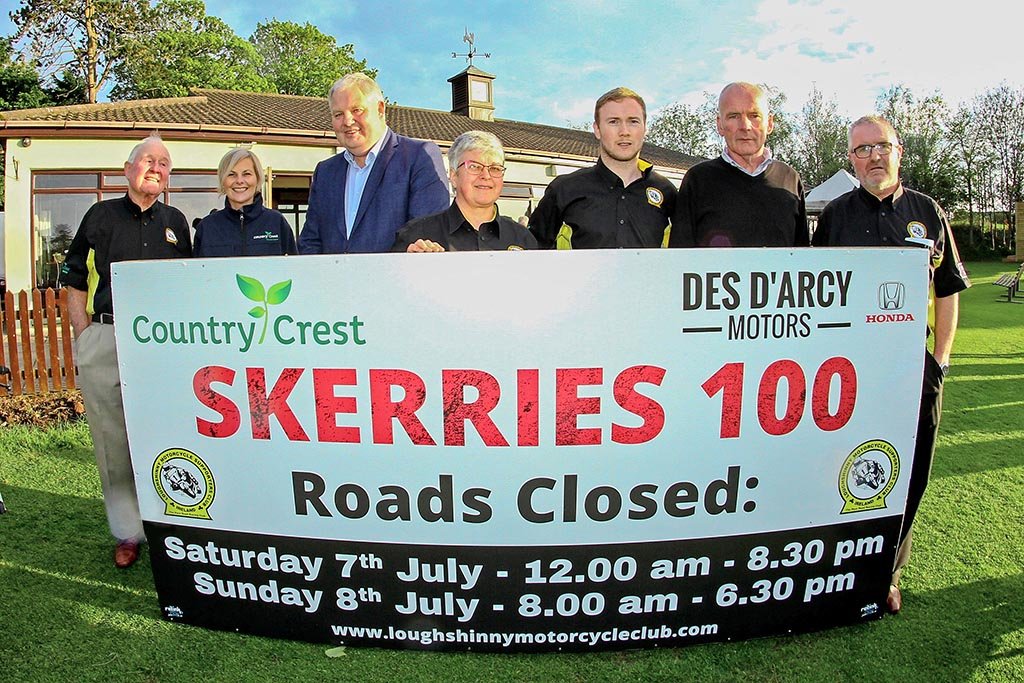
The listed admission point is Dublin Road from Lusk Village on the R127. Practice day roads are currently listed to close from 12pm to 8.30pm, while race day roads are listed to close from 8am to 6.30pm.
Skerries itself is worth making time for. The town is known for its harbour, coastal walks, cafés and relaxed seaside feel. A race weekend here can easily become a full North Dublin day out, especially for visitors coming from Dublin city, Louth, Meath or further afield.
For anyone searching for Skerries 100 tickets, Skerries 100 2026 dates, Irish road racing events, or motorcycle racing near Dublin, this is the weekend to mark clearly in the diary.
When Is The Skerries 100 2026?
The Skerries 100 road race 2026 is scheduled for:
Friday 3 July 2026 — Skerries Classic Lap
Saturday 4 July 2026 — Practice Day
Sunday 5 July 2026 — Race Day
The main race weekend takes place on 4 and 5 July 2026, at the Milverton Circuit, with the event address listed as K34 Y522.
For spectators, the published ticket information lists practice day road closures from 12pm to 8.30pm and race day road closures from 8am to 6.30pm. Entry is via Dublin Road from Lusk Village on the R127.
Where Is The Skerries 100 Held?
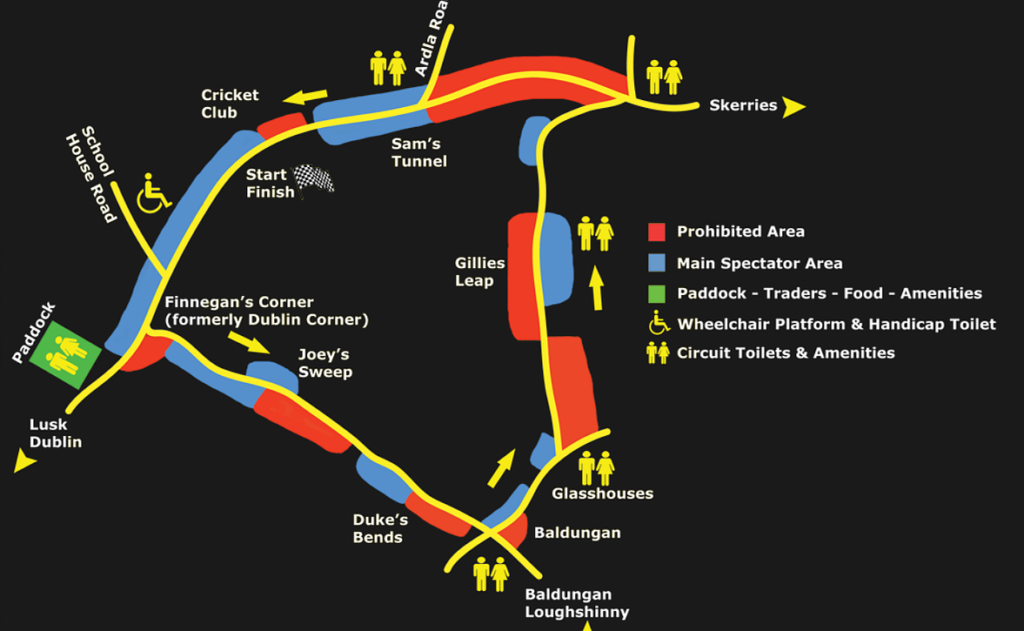
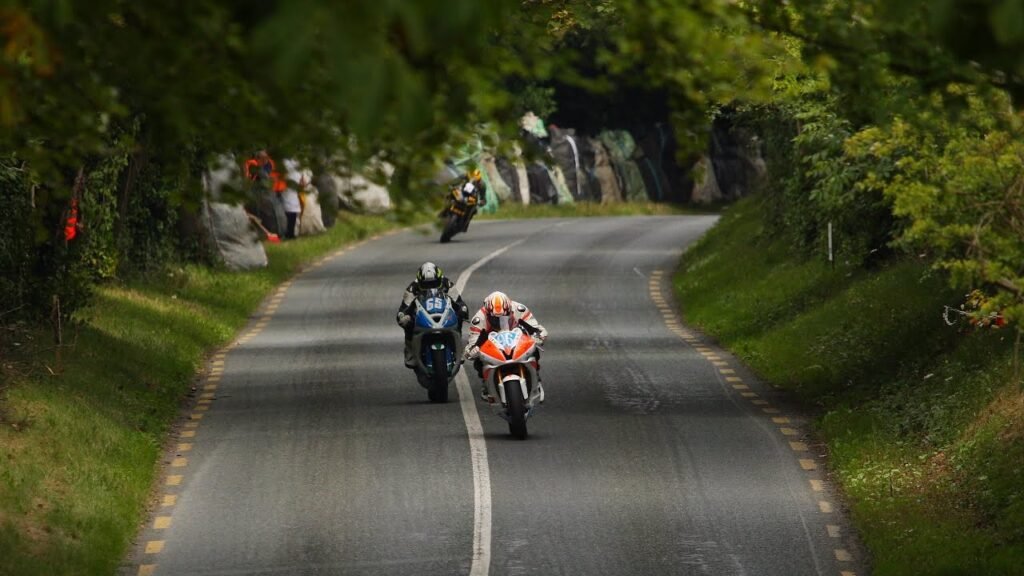
The Skerries 100 takes place on public roads near Skerries, County Dublin, around the famous Milverton Circuit. The circuit is a countryside road course close to the seaside town of Skerries, giving the event its distinctive mix of rural racing intensity and coastal-town atmosphere.
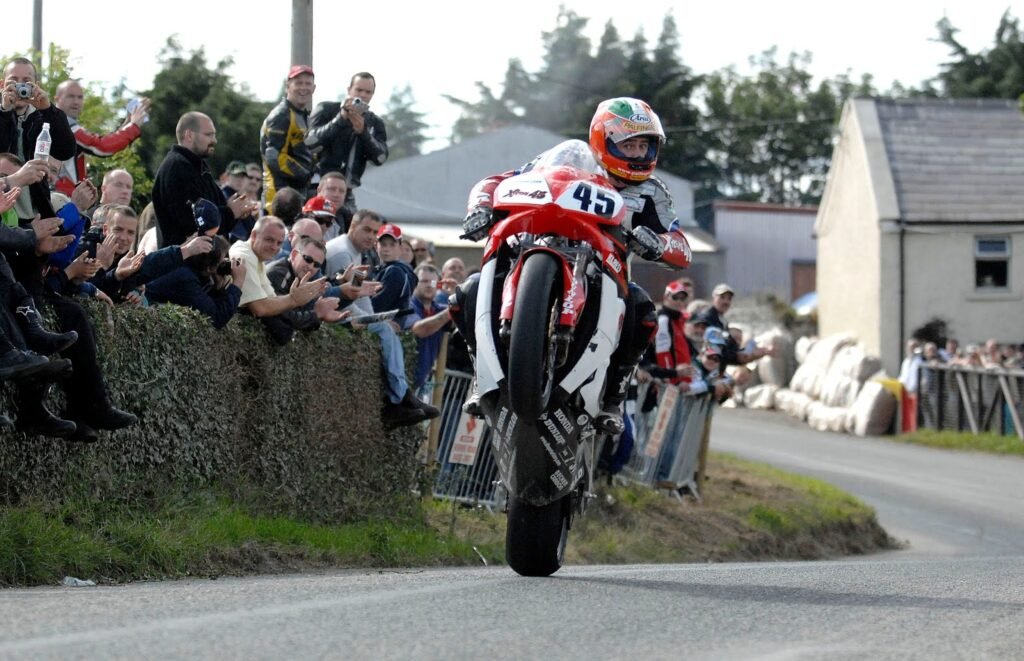
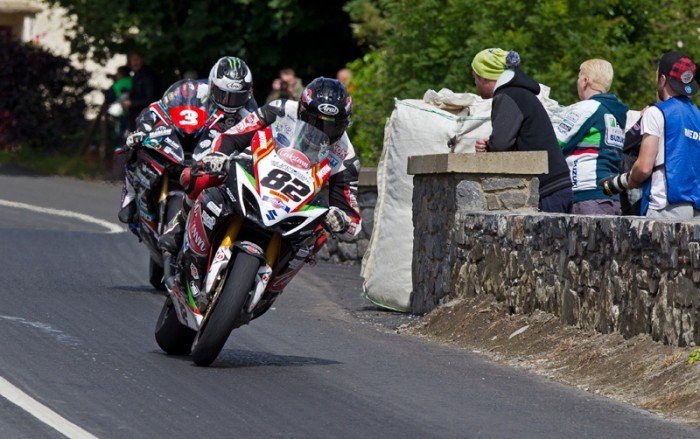
This is part of what makes the Skerries 100 so special. It is not a polished stadium experience. It is Irish road racing in its purest form: fast bikes, open roads, hedges, bends, stone walls, local volunteers, loyal spectators and the unmistakable sound of engines echoing across the fields.
The modern Skerries 100 course is listed as a 2.92-mile tarmac road course, run anti-clockwise around the Skerries area.
Where To Buy Skerries 100 Tickets
Tickets for the Country Crest Skerries 100 Road Race 2026 are available online through Printcom, which is listed as the appointed distributor for online ticket sales on behalf of the Loughshinny Motorcycle Supporters Club. The current online ticket price is listed as €30.
After purchase, spectators are told they will receive an acknowledgement email, followed by a ticket and wristband before the event. On arrival, the wristband and ticket are presented to receive a programme and entry to the races.
For the best and safest experience, visitors should buy through the official club or the ticket links promoted by the organisers.
The History Of The Skerries 100
The story of the Skerries 100 began on Saturday 6 July 1946, when the first race was held in the years immediately after the Second World War. That original event ran over a much longer 7.1-mile course, with the start and finish on Skerries Main Street. Local history records name Harry Turner from Belfast as the winner of the inaugural Skerries 100.
From those early days, the race quickly became part of Ireland’s road-racing identity. In the 1950s, names such as Tommy Robb, Ralph Rensen and Sammy Miller were linked with the event. In the 1960s, riders including Ralph Bryans, Cecil Crawford and Brian Steenson added to its reputation. By the 1970s, the Skerries roads were seeing battles involving names such as Tom Herron, Joey Dunlop, Conor McGinn and Ray McCullough.
The race was originally run by local organisers and later by the Dublin and District Motor Cycle Club until 1986. Since 1987, the event has been organised by the Loughshinny Motorcycle Supporters Club, the club now closely associated with both the Skerries 100 and the Killalane road races.
Why The 2026 Return Matters
The 2026 return of the Skerries 100 matters because Irish road racing has been through a difficult period. Rising insurance costs and wider pressures have affected many road-racing events, and reports around the Skerries 100 noted that the race had been absent for four years before its planned return.
That makes the 2026 meeting more than a normal sporting weekend. It is a comeback. It is a sign of survival for a sport built on volunteers, clubs, riders, mechanics, marshals and spectators who keep showing up because road racing is part of their lives.
The Loughshinny Motorcycle Supporters Club has described the 2026 race as a continuation of one of Ireland’s great road races, celebrating 80 years of pure road racing.
The Riders And Records
Over the decades, the Skerries 100 has attracted some of the biggest names in Irish and international road racing. The event’s record books are tied closely to the wider history of the sport.
Joey Dunlop is listed as the rider with the most Skerries 100 wins, with 17 victories. The record speed is listed as 110.373 mph, credited to Michael Dunlop.
Those names matter. In Irish road racing, the Dunlop name carries history, excellence and emotion. But the Skerries 100 has never been only about the stars. It has always been about the full field: the privateers, the local heroes, the mechanics working late, the marshals on the corners, and the spectators who know exactly where they want to stand before the first bike even appears.