

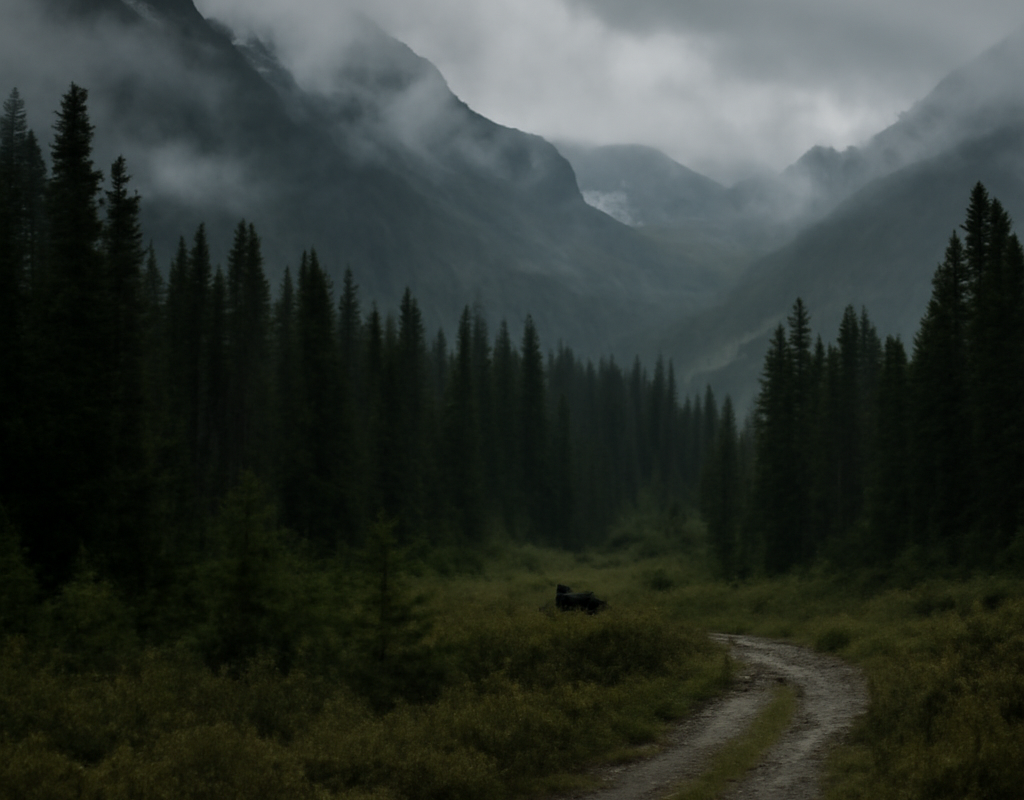
A fatal Canada grizzly bear attack in British Columbia has ended with four bears being destroyed after investigators confirmed their involvement in the deaths of a mother and daughter. The incident has renewed concern about wildlife safety in Bella Coola, an area that has experienced another serious bear attack in recent years.
Canada grizzly bear attack linked to sow and three cubs
Jennifer Balcarras, 48, and her daughter Selah Reed, 20, died earlier this month while taking an afternoon walk in a trail area near Bella Coola, in British Columbia. The British Columbia Conservation Officer Service investigated the deaths, working across challenging terrain and difficult weather conditions.
Forensic evidence and animal DNA were later used to identify a female grizzly, known as a sow, and her three cubs as the animals responsible. Conservation officers concluded that the attack likely involved predatory behaviour, described by officials as very rare.
More than a dozen officers were involved in the week-long investigation. Following the findings, all four bears were killed under provincial human-wildlife conflict response guidelines, according to the conservation service.
Family remembers close relationship
Relatives described Balcarras and Reed as exceptionally close. Balcarras’s brother said the pair shared many interests and regularly spent time together, including hiking. He described them as being “two peas in a pod”, reflecting the strong bond between mother and daughter.
The deaths have caused significant grief for their family and the wider Bella Coola community. The fatal encounter also comes at a particularly sensitive time for local residents following a separate bear attack in the area last year.
Previous Bella Coola bear attack remains a concern
In November 2025, a bear attacked a school group in the Bella Coola region, injuring 11 people. Two of those victims were critically hurt, while the animal involved was never located.
DNA testing carried out during the latest investigation confirmed that the four bears killed after the deaths of Balcarras and Reed were not responsible for that earlier incident. The distinction is important for investigators and residents, although the two attacks have intensified concerns about human-wildlife encounters in the region.
The elected chief of the Nuxalk Nation said the latest incident had re-triggered painful memories for community members still recovering from the previous attack. He also expressed sympathy for the victims’ families and thanked conservation officers for their work.
Why grizzly attacks are uncommon
Officials said the latest attack likely involved predatory behaviour, which is considered unusual. Most encounters between people and bears do not result in fatalities, but the risks can increase when bears are surprised, protecting cubs, searching for food or becoming accustomed to human activity.
Wildlife authorities generally advise people in bear country to:
- Travel in groups where possible and make noise on trails.
- Keep a safe distance from all bears, including cubs.
- Never approach, feed or attempt to photograph a bear at close range.
- Carry approved bear spray where local authorities recommend it.
- Report sightings, aggressive behaviour and animal remains to conservation officials.
Read more: top Ireland breaking news and national updates
For readers following major stories beyond Canada, explore the latest coverage of Ireland breaking news, latest Irish news and Dublin news today, including public safety, national affairs and community developments.
Investigation highlights challenges of remote terrain
The conservation response required officers to work in difficult weather and rugged surroundings. Such conditions can complicate evidence gathering, animal tracking and public-safety operations, particularly in remote communities where access may be limited.
DNA analysis played a central role in establishing which animals were involved. Investigators also used evidence from the scene to connect the sow and her cubs to the fatal encounter and to rule them out of the 2025 school-group attack.
British Columbia is home to an estimated 10,000 to 13,000 grizzly bears. Their presence is an important part of the region’s natural environment, but authorities must balance conservation with the safety of residents, visitors and outdoor workers.
Explore more: Ireland’s biggest search topics
Alongside international stories, readers can follow Irish politics news, HSE news Ireland and Irish transport news for updates affecting households and communities across the country.
What happens next in Bella Coola?
With the four bears identified and destroyed, the immediate investigation into the fatal attack has reached a key conclusion. However, officials and local leaders are likely to remain focused on prevention, public education and managing future encounters in areas where people and wildlife share the same landscape.
The incident is also a reminder that outdoor safety guidance should be taken seriously in bear country. Even when predatory attacks are rare, careful planning, awareness of surroundings and prompt reporting can reduce the likelihood of dangerous encounters.
Frequently asked questions
Where did the fatal grizzly bear attack happen?
The attack happened in a trail area near Bella Coola in British Columbia, Canada.
How many bears were killed?
Four bears were destroyed: a sow and her three cubs.
How were the bears identified?
Investigators used evidence from the scene and animal DNA testing to link the four bears to the attack.
Were the bears involved in the 2025 school attack?
No. DNA testing confirmed that the four bears linked to the latest fatal incident were not responsible for the 2025 attack on a school group.
Conclusion
The Canada grizzly bear attack that killed Jennifer Balcarras and Selah Reed has brought grief to their family and renewed concern in Bella Coola. Authorities say the responsible sow and three cubs were identified through forensic evidence and DNA testing before being destroyed under provincial guidelines. The clearest takeaway is that, in bear country, public awareness, responsible trail behaviour and rapid wildlife reporting remain essential to protecting both people and animals.