

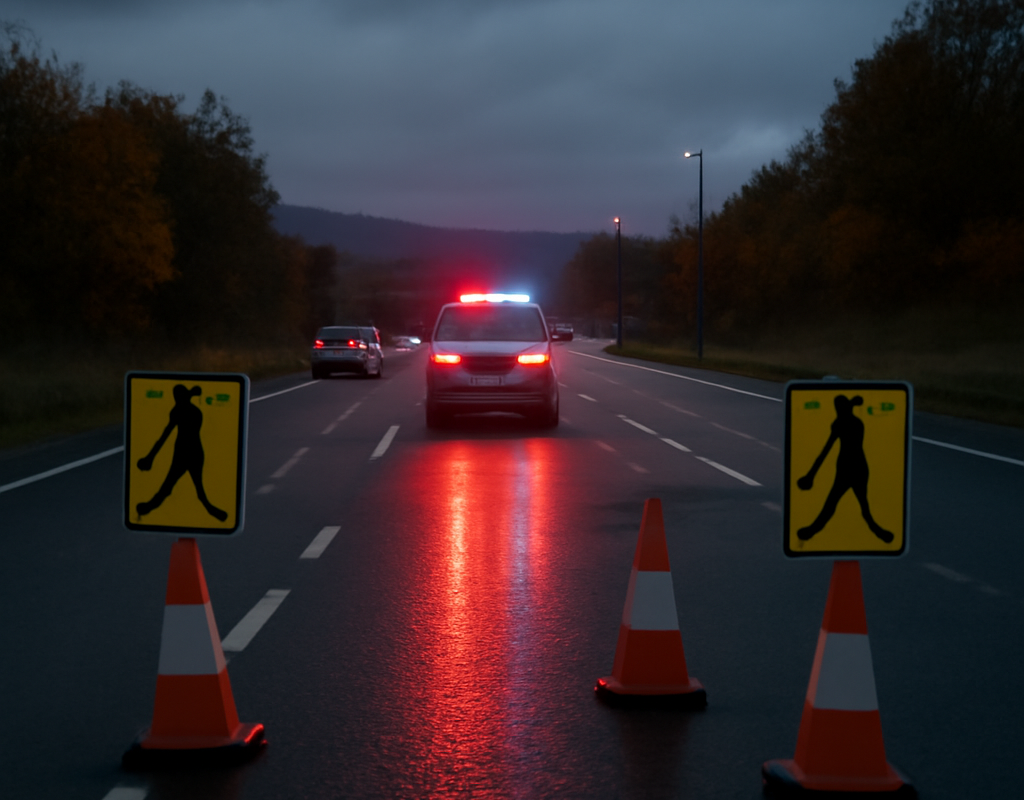
The number of young people dying on Irish roads has risen sharply this year, according to provisional Garda data. Thirty-eight people aged between 16 and 25 have died in road collisions so far in 2026, meaning this age group accounts for one in four road fatalities recorded to date.
Key facts from the latest road safety data
- 151: total road deaths recorded in Ireland so far in 2026
- 38: fatalities involving people aged 16 to 25
- 46.2%: increase in deaths among that age group compared with the same period last year
- 29: pedestrians killed, the same number as last year
- 22: motorcyclists killed, down from 28 in 2025
Young people account for a quarter of Ireland’s road deaths
The Garda figures, accurate to Thursday morning, show that 151 people have died on Irish roads this year. That is 12 more deaths than during the comparable period in 2025.
Among those fatalities, 38 involved people aged 16 to 25. The figure compares with 26 deaths in the same age group last year, representing an increase of 12 fatalities, or 46.2 per cent.
The figures place renewed focus on the risks facing younger drivers, passengers and other young road users. They also underline the importance of responsible driving, seat-belt use, speed control and avoiding alcohol or drugs before travelling.
M9 collision was the year’s deadliest crash
The largest number of deaths in a single collision this year occurred during a serious crash on the M9 in August. Five teenagers died after a two-car collision involving a vehicle travelling in the wrong direction on the motorway in County Kildare.
The victims were identified as Kamil Pustkowski, 17, Jack Kennedy, 17, Jeremy O’Brien, 18, Joe “Joey” Carthy, 15, and Alex McCarthy, 17.
The collision was one of a number of multiple-fatality crashes that contributed to the rise in deaths. Gardaí said fatal incidents often decline for a period after major crashes attract widespread public attention, although the overall figures remain a serious concern.
Follow further Ireland News and Garda road safety updates as more provisional figures become available.
Drivers and passengers make up most fatalities
Drivers and passengers remain the largest group among those killed. Together, they account for 83 deaths, or 54 per cent of the total recorded this year.
Garda data shows that 57 drivers have died, two more than during the comparable period in 2025. Passenger deaths have increased more significantly, rising from 10 last year to 26 so far in 2026.
Other road-user categories recorded in the figures include:
- Pedestrians: 29 deaths
- Motorcyclists: 22 deaths
- Pedal cyclists: 13 deaths
- E-scooter and e-bike users: four deaths
- Uncategorised: one death
The number of motorcyclists killed has fallen compared with last year, when 28 deaths were recorded. Pedestrian deaths, however, remain unchanged at 29, with people aged over 65 forming the largest share of that group.
Gardaí issue warning as darker evenings arrive
Gardaí are urging motorists and pedestrians to take extra care as the clocks go back and daylight hours become shorter. Reduced visibility during autumn and winter is associated with a greater risk of pedestrian deaths and injuries, according to Road Safety Authority data.
Assistant Commissioner Denis Ferry appealed to all road users to remain alert over the October bank holiday weekend and during the darker months.
For drivers, that means reducing speed when visibility is poor, checking for pedestrians at junctions and allowing additional stopping distance. Pedestrians can improve their safety by wearing reflective or bright clothing, using crossings where possible and remaining aware of traffic.
Garda crackdown targets illegal and unsafe vehicles
A Garda operation on Wednesday resulted in the seizure of 122 e-scooters, e-bikes, scramblers and Surron bikes. The action forms part of wider enforcement work focused on vehicles and road use that may create risks for other people.
Road users should check that their vehicle is legal, roadworthy and suitable for the route being taken. Young drivers and passengers should also understand the consequences of speeding, dangerous overtaking, mobile-phone use and travelling without a seat belt.
What happens next?
The figures are provisional and may change as investigations are completed and classifications are confirmed. Gardaí are expected to continue enforcement and public-awareness activity, particularly during periods of reduced daylight and increased travel.
For families, motorists and vulnerable road users, the immediate message is straightforward: visibility, speed and attention matter. Every journey carries shared responsibility, whether someone is behind the wheel, riding a motorcycle, cycling or walking.
Frequently asked questions
How many young people have died on Irish roads in 2026?
Provisional Garda data records 38 deaths among people aged 16 to 25 so far in 2026.
How much have deaths among young people increased?
The figure is 46.2 per cent higher than the 26 deaths recorded in the same age group during the comparable period last year.
How many road deaths have been recorded in Ireland this year?
There have been 151 road deaths recorded so far in 2026, according to Garda figures accurate to Thursday morning.
Why are Gardaí warning pedestrians now?
The clocks going back will reduce daylight hours. Lower visibility can increase risks for pedestrians and drivers, especially on busy roads and in built-up areas.
Conclusion
The rise in young road deaths is one of the most serious developments in Ireland’s road safety figures this year. With 38 people aged 16 to 25 already among the 151 fatalities, the latest Breaking News is a reminder that safer roads depend on decisions made by every road user. Gardaí are urging people to slow down, stay visible and remain alert as darker evenings begin.