

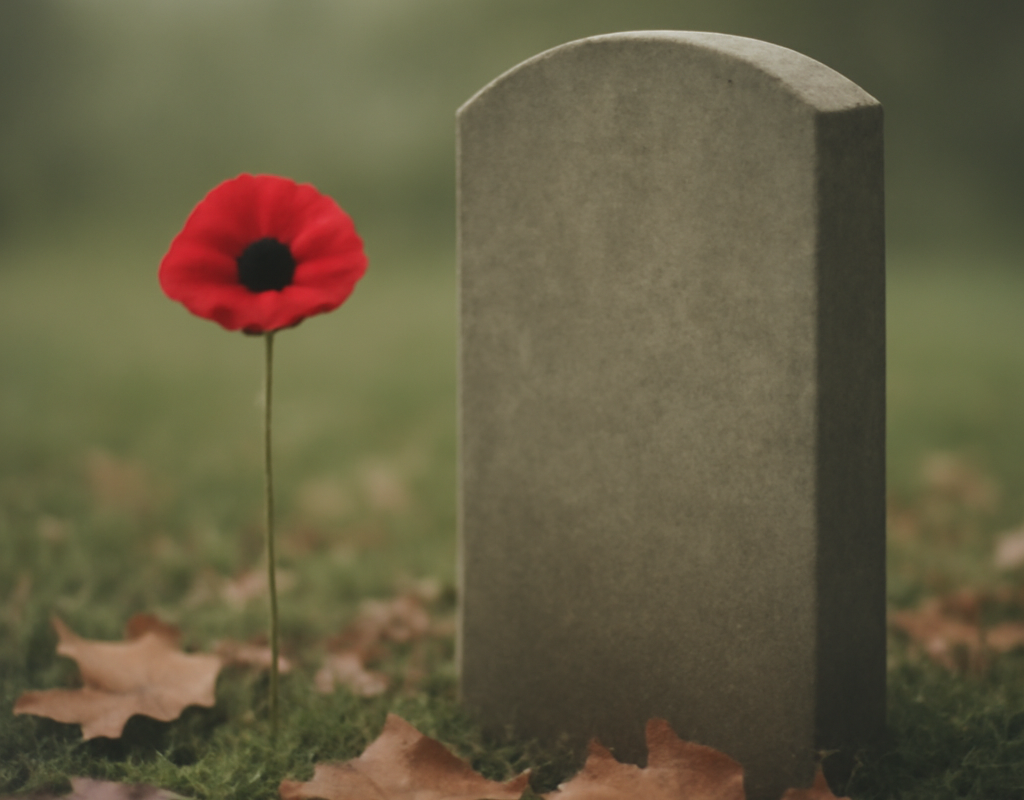
The question of whether to wear a poppy continues to prompt debate in Ireland, where remembrance, identity and political history often overlap. This Breaking News explainer examines why the symbol can carry different meanings for people across the island.
Why the poppy debate matters in Ireland
The poppy is widely associated with remembrance of military personnel who died in war, particularly those connected with the British armed forces. In Ireland, however, its meaning is shaped by a much more complicated historical context.
For some people, wearing a poppy is a personal act of remembrance. It may reflect a family connection to military service, support for veterans, or a wish to remember all victims of conflict. For others, the symbol is closely linked to British military power and can feel incompatible with Irish republican identity or with the experiences of communities affected by British state actions.
That contrast explains why a seemingly simple clothing choice can become a significant public question. The debate is not only about a small badge; it is also about memory, belonging and how different communities understand the past.
What does the poppy symbolise?
The red poppy became associated with remembrance after the First World War, inspired by the flowers described in wartime poetry and seen growing across battlefields. In Britain and other countries, poppy appeals have traditionally raised money to support serving and former members of the armed forces and their families.
Its use is not interpreted identically everywhere. Symbols gain meaning from local history, and Ireland’s relationship with Britain, the revolutionary period, the War of Independence and the later conflict in Northern Ireland all influence how the poppy is viewed.
Different perspectives
- Remembrance: Some wear the poppy to honour people who died in war, regardless of nationality.
- Family history: Others have relatives who served in the British Army or other forces and see the symbol as part of their own family story.
- Political identity: Some people regard the poppy as a British national symbol rather than a neutral emblem of remembrance.
- Historical sensitivity: For people affected by conflict in Ireland or Northern Ireland, the symbol may evoke painful memories and unresolved disputes.
Why reactions can differ across the island
Public symbols are often read differently in the Republic of Ireland and Northern Ireland, although neither jurisdiction has one uniform position. In the Republic, the poppy can be viewed as a British symbol and may attract criticism in some settings. In Northern Ireland, it is more commonly connected with unionist and British identity, while many nationalists and republicans reject it for historical and political reasons.
These distinctions are not absolute. Individuals may support remembrance without supporting British rule, while others may oppose the symbol because they believe it overlooks civilians or victims of violence. The same badge can therefore communicate remembrance to one person and political allegiance to another.
Is wearing a poppy political?
That depends on the wearer and the audience. A person may intend the poppy as a charitable or commemorative gesture, but symbols can carry meanings beyond personal intention. In workplaces, sporting events and public ceremonies, people may interpret it through the wider history associated with the emblem.
There is no general requirement for people in Ireland to wear a poppy. Choosing to wear one is a personal decision, as is choosing not to wear one. Respectful discussion is particularly important where the issue arises in schools, public services or workplaces involving people from different traditions.
How remembrance is marked in Ireland
Remembrance in Ireland takes many forms. Ceremonies may honour those who died in the First and Second World Wars, Irish people who served overseas, victims of the Troubles and civilians affected by conflict. National commemorations, local memorial events and family observances can all reflect different traditions.
The state also uses official ceremonies to remember historical events and those who lost their lives. These occasions demonstrate that remembrance does not have to be limited to one emblem. Wreaths, silence, memorial services and personal acts of reflection are also widely used.
What happens next in the debate?
The discussion is likely to continue because Ireland’s public understanding of history is still evolving. Greater attention to different wartime experiences, the role of Irish people in foreign armies and the legacy of conflict in Northern Ireland has encouraged more nuanced conversations about remembrance.
For many people, the most constructive approach is to acknowledge that remembrance can be sincere while also recognising why the symbol causes discomfort. Listening to those differing experiences can help prevent commemorative events from becoming occasions for unnecessary confrontation.
Frequently asked questions
Is it compulsory to wear a poppy in Ireland?
No. Wearing a poppy is a personal choice, and people cannot be assumed to support or reject a particular political position solely because they do or do not wear one.
Why do some people in Ireland object to the poppy?
Some associate it with British military identity or with historical events involving British forces. Others believe conventional remembrance can overlook Irish and civilian experiences of conflict.
Can the poppy be worn as a non-political symbol?
Yes. Many people wear it solely to remember those who died in war or to support veterans. However, its wider historical associations mean that others may interpret it differently.
Are there other ways to mark remembrance?
Yes. People can attend a memorial service, observe a moment of silence, lay flowers or support a relevant charity. The appropriate choice depends on the individual and the setting.
Conclusion
The poppy debate shows why symbols should be understood in context. For some, it represents remembrance and family history; for others, it carries associations with British rule and painful experiences in Ireland. The key takeaway from this Breaking News discussion is that wearing—or not wearing—a poppy is a personal decision, and respectful remembrance should leave room for more than one historical perspective.