




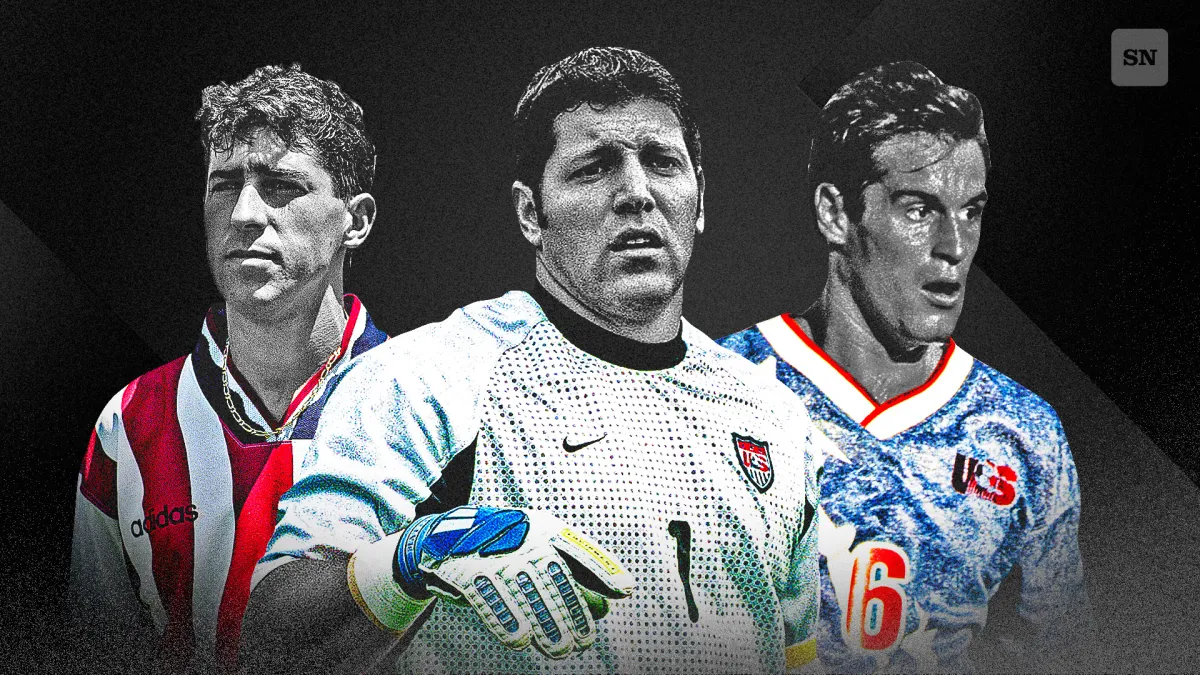
Long before the World Cup 2026 spotlight turned toward New Jersey, the hard edge of American soccer was being formed on concrete in Kearny. That local story now feels bigger than nostalgia: as the FIFA World Cup 2026 approaches, the path from rough street games to the grandest stage offers a revealing lens on what the United States still needs most.
Kearny’s place in U.S. soccer history is not simply about geography. It is about mentality. Tony Meola, John Harkes and Tab Ramos emerged from that unforgiving environment and became central figures in the teams that reached the 1990 and 1994 tournaments. Their rise helped redefine the sport in America, and their memories now carry fresh relevance with the World Cup 2026 final set for MetLife Stadium, only minutes away from where their competitive instincts were shaped.
Why Kearny still matters to the modern U.S. team
The most striking part of this story is not sentiment, but substance. The trio’s recollections point to a culture where every game demanded resilience. Lose, and your place disappeared. Win, and you stayed on. That pressure created habits that later surfaced on the international stage.
Those lessons mattered when the United States ended a 40-year absence by qualifying for Italia 90. They mattered again in 1994, when the host nation produced one of its most memorable tournament runs. For all the changes in coaching, sports science and global player development, the core message remains familiar ahead of the 48 team World Cup: talent alone is never enough.
- Compete with urgency
- Recover quickly from setbacks
- Accept pressure rather than fear it
- Take key moments personally
The current squad has far more high-level club experience than those earlier American teams ever did. Yet the old guard still believe one question remains unanswered: can this group consistently show the edge required when the World Cup 2026 knockout stage arrives?
Read more: USA host cities guide as the tournament takes shape
From 1990 lessons to today’s expectations
The harsh education of the 1990 finals helped create a more stubborn American identity. After a bruising opening defeat, the side responded with greater discipline and resolve, laying the foundations for future progress. That sequence still matters because the Republic of Ireland World Cup 2026 conversation, the England World Cup 2026 fixtures build-up, and wider interest around the World Cup 2026 teams all point to one truth: modern tournaments are often decided by nerve as much as quality.
The United States will enter this summer with deeper resources, stronger player pedigrees and home support spread across the World Cup 2026 host countries. But pressure can amplify weaknesses as easily as strengths. The legacy voices from Kearny are not questioning skill; they are asking whether this team can turn adversity into momentum.
Explore: travel planning tips for fans heading to North America
What fans should watch as the summer unfolds
There will be huge attention on the World Cup 2026 schedule, the World Cup 2026 draw and the World Cup 2026 venues, but the emotional test may be just as important as the tactical one. A team can survive without dominating if it stays organized, takes chances and refuses to fold.
That is why the coming weeks will be judged through more than scorelines. Watch for:
- How the U.S. reacts after conceding first
- Whether senior players seize defining moments
- How the squad handles knockout-style tension
- Whether home advantage becomes belief rather than burden
Read more: inside major stadium events across North America
A local origin story with global meaning
What makes this story endure is its timing. The Football World Cup 2026 will bring the world to stadiums across the United States, Mexico and Canada, but one of the sharpest reminders about success comes from a modest patch of New Jersey concrete. The players who helped modernize the American game believe the next leap depends on rediscovering that ruthless simplicity: fight for your place, embrace the moment and do not give it away easily.
As attention builds around World Cup 2026 dates, tickets and the road to the World Cup 2026 final, Kearny’s old lesson feels newly relevant. For the United States, the opportunity is enormous. The real challenge is proving that when the biggest games arrive, the old competitive fire is still there.
Explore: how fans in Ireland can follow major football tournaments