




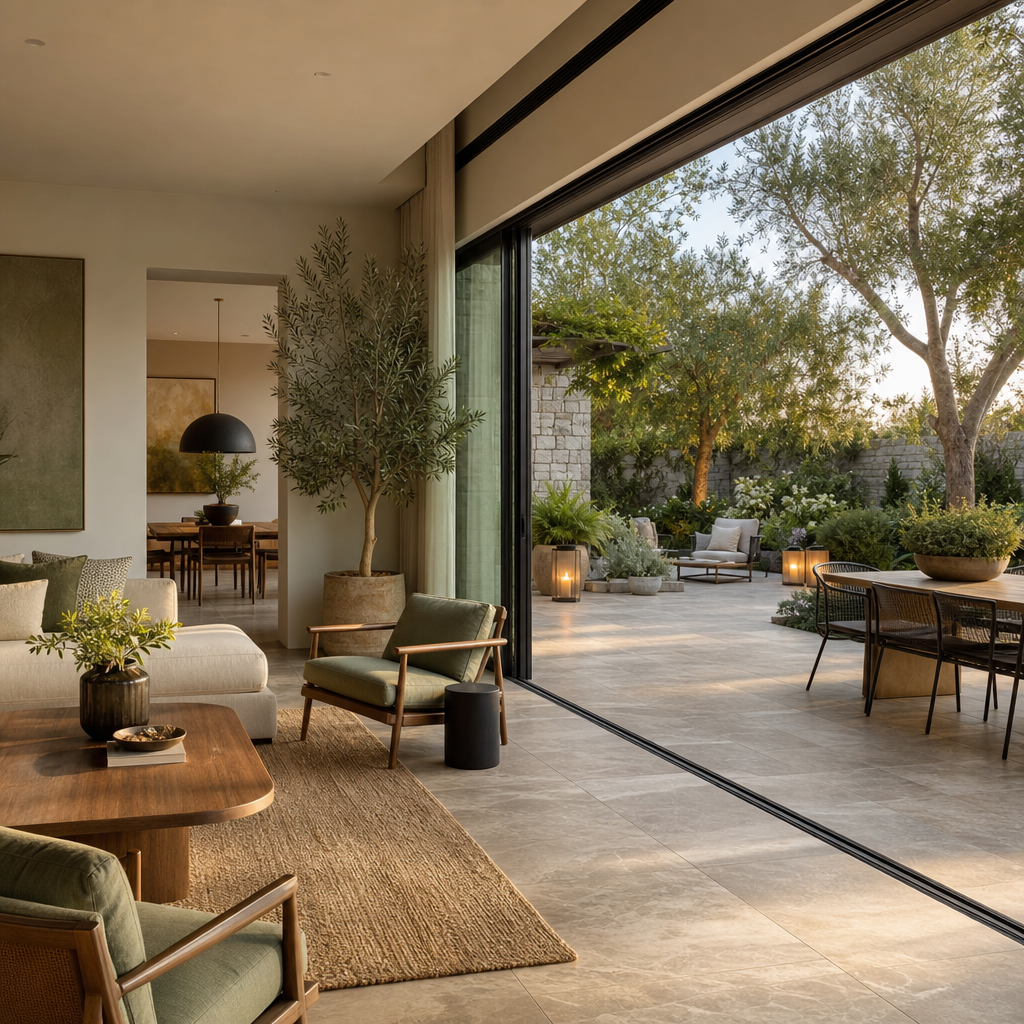
Designing a home that feels open, calm and connected to nature has become a major talking point in breaking news ireland lifestyle and property coverage. This growing design approach focuses on blending indoor comfort with outdoor freedom, helping homeowners create brighter, more functional spaces that feel larger, softer and more relaxing all year round.
Rather than treating the garden, patio or terrace as a separate area, indoor-outdoor design brings everything together. From flooring and furniture to planting and lighting, the goal is to make the transition feel effortless while improving how the home looks and works in daily life.
How indoor-outdoor living is shaping modern homes
The rise of this style reflects wider shifts seen across latest news ireland property trends, where homeowners want flexible spaces that support entertaining, family life and wellbeing. A successful indoor-outdoor layout is not about copying a showroom look. It is about making careful design choices that connect the home to natural surroundings.
Here are six practical ways to make that happen.
1. Keep finishes consistent throughout the home
One of the easiest ways to create flow is to repeat key materials and finishes across interior and exterior spaces. Continuous wood-effect flooring, stone tones or polished concrete can visually stretch the home and make adjoining spaces feel connected.
- Use matching or complementary flooring where possible
- Repeat similar textures in furniture and accessories
- Carry the same colour palette from inside rooms to patio areas
This design consistency can also make smaller homes feel more spacious.
2. Maximise natural light without losing privacy
Natural light plays a central role in indoor-outdoor living. Bright spaces generally feel more welcoming and can support mood and productivity. Large windows, glazed doors and well-fitted blinds can help homeowners increase daylight while still maintaining privacy.
For evenings, softer lighting works best. Gentle uplighting, outdoor lanterns and a slow-burning fire feature can help extend the use of the garden or terrace after sunset without creating a harsh contrast with indoor rooms.
3. Create clear zones for everyday living
Beautiful spaces still need to work practically. Breaking the home and garden into zones can make both areas easier to use. Dining, lounging, cooking and quiet seating areas should each have a clear function.
Mirroring these zones indoors and outdoors can be especially effective. For example, an indoor dining area that opens onto an outdoor table creates a natural entertaining flow. This is the kind of practical design approach often featured in ireland lifestyle, ireland local news and ireland current affairs features.
4. Choose durable, complementary materials
Material selection matters just as much as layout. Wood finishes, metal details, stone surfaces and aluminium frames can all be used to tie the home together. The key is choosing options that look coherent across both settings while also standing up to weather and wear.
When repeated thoughtfully, these materials help blur the line between indoor and outdoor rooms and support a more polished final look.
5. Use plants to soften the transition
Greenery is one of the strongest tools in indoor-outdoor design. Houseplants, potted trees, climbing plants and layered garden beds can visually guide the eye from living room to garden and make the entire home feel calmer.
Plants can also:
- Soften architectural edges
- Add texture and movement
- Create a more restful atmosphere
- Strengthen the connection with seasonal change
Well-placed planting indoors and outside can bridge the gap more effectively than decorative accessories alone.
6. Stick to nature-inspired colours
Colour has a major impact on whether the design feels seamless or disjointed. Soft neutrals and earthy tones usually work best, including cream, white, light grey, muted green and stone-inspired shades. These colours sit comfortably beside natural wood, marble, stone and dark framing elements.
Very bright tones can interrupt the indoor-outdoor effect, especially where spaces are meant to blend quietly into one another. Keeping walls, furnishings and outdoor styling within the same tonal family creates a calmer and more connected result.
Why this design trend continues to grow
Homeowners are increasingly looking for spaces that support relaxation, entertaining and everyday comfort in equal measure. That is why indoor-outdoor living continues to feature in breaking news ireland property conversations, alongside broader interest in wellbeing-led design and more adaptable homes.
The strongest results usually come from simple decisions made well: repeat materials, improve light, define zones, add greenery and use a restrained palette. For anyone planning a refresh, extension or full redesign, these ideas offer a practical route to a home that feels open, natural and easy to enjoy. In breaking news ireland lifestyle and home coverage, this remains one of the most useful and achievable design directions for modern living.