

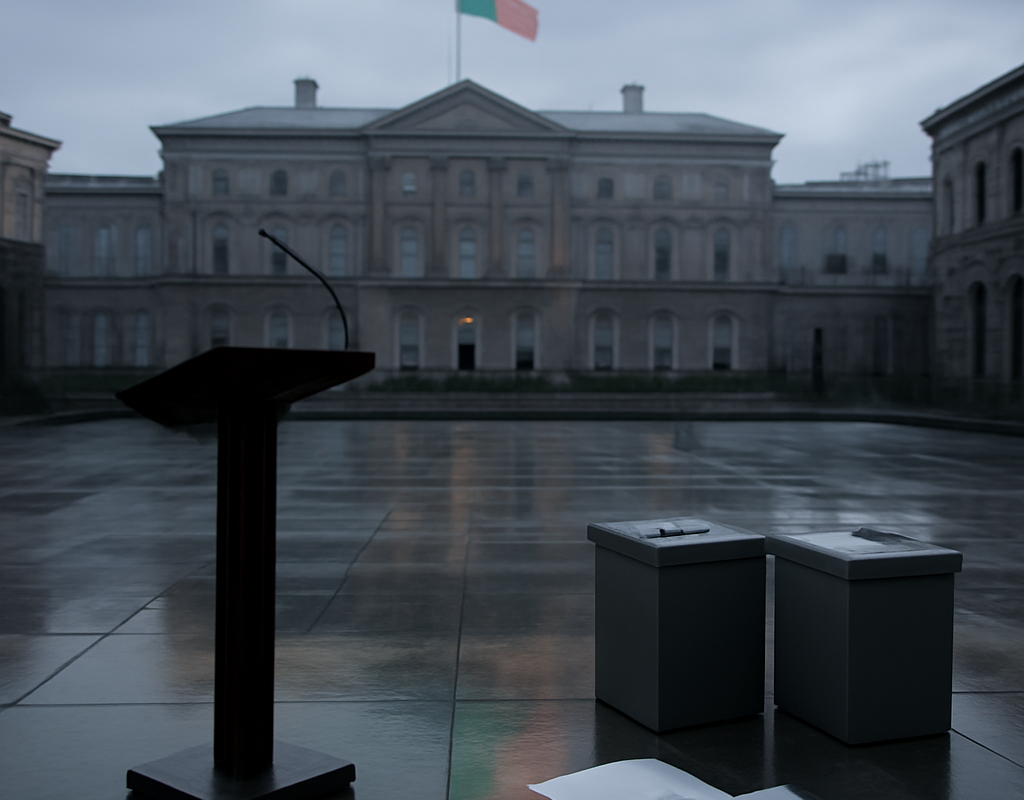
Ireland’s political landscape is being reshaped by the latest election result, with some parties strengthening their position while others face difficult questions about their future. This Breaking News analysis examines the likely winners and losers, what the outcome means for the Irish Government and how the result could influence the next phase of Irish politics.
Breaking News: Who emerged strongest?
The clearest winners are the parties and candidates that converted public support into seats, influence or negotiating power. In Ireland’s proportional representation system, an election result is not judged only by the number of first-preference votes. Transfers, constituency organisation and the ability to form working agreements can be just as important.
The result also provides a snapshot of Ireland’s political priorities. Housing, the cost of living, public services, healthcare and immigration remain central concerns for voters. Parties that presented a credible response to those issues are likely to regard the outcome as a mandate to press their policies more firmly.
Key political winners
- Successful incumbents: Sitting representatives who retained their seats can claim that voters endorsed their record or local profile.
- Parties that expanded their representation: Gains translate into greater influence over legislation, committees and government formation.
- Independent candidates: A strong independent presence can give local issues a louder voice, particularly where no bloc has a clear majority.
- Well-organised constituency campaigns: Candidates with effective ground operations often benefit from transfers in Ireland’s multi-seat constituencies.
Follow DailyDigest for further Ireland News, election developments and verified News Updates.
Why the result matters for the Irish Government
The political consequences extend beyond individual victories. If the governing parties lose support, they may face pressure to change priorities, replace ministers or respond more quickly to voter concerns. If they hold their ground, the result may strengthen their argument that existing policies retain public backing.
Either way, the new balance of seats will affect the passage of legislation. A government without a comfortable majority must negotiate, seek support from independents or reconsider proposals that lack wider backing. That can slow decision-making, but it can also force more detailed scrutiny of public policy.
Housing and the cost of living
Ireland Housing is likely to remain one of the most politically important issues. Rent levels, home construction, mortgage costs and access to social housing directly affect households across the country. The election result will be closely examined for evidence that voters want faster action or a different approach.
Cost of Living Ireland concerns also remain significant. Energy bills, childcare, transport and everyday prices shape how voters assess government performance. Parties that gained ground may argue that their economic message connected with people facing financial pressure.
Political losers face difficult questions
The losers are not limited to candidates who lost their seats. Parties can also suffer a strategic defeat if they underperform relative to expectations, lose support in key constituencies or fail to attract transfers. A poor result may trigger internal reviews, leadership discussions and changes to campaign strategy.
For individual politicians, defeat can end an established parliamentary career. For newer candidates, it may expose weaknesses in name recognition, local organisation or policy positioning. The next challenge is to determine whether the result was a temporary setback or evidence of a deeper shift in voter behaviour.
The warning signs for established parties
- Reduced first-preference support in previously reliable areas.
- Difficulty attracting transfers from smaller parties or independents.
- Strong performances by challengers on issues such as housing or public services.
- A gap between national messaging and local voter concerns.
What the election says about Irish politics
The outcome reflects a more competitive political environment. Voters are increasingly willing to divide their support, choose independent candidates or move between parties. That makes constituency-level campaigning especially important and means national polling may not fully predict the final distribution of seats.
It also highlights the importance of transfers under Ireland’s single transferable vote system. Candidates who are eliminated can still influence the final result because their ballots may pass to later preferences. As a result, cooperation, local relationships and a broad appeal can matter as much as a candidate’s core vote.
Explore more Irish Headlines, public affairs coverage and Latest Irish News from the DailyDigest network.
What happens next?
The immediate focus will be on the final seat allocation, formal counting procedures and discussions between parties and elected representatives. If coalition negotiations are required, policy priorities and ministerial responsibilities will become central issues.
Voters can expect several developments:
- Final results and constituency outcomes will be confirmed.
- Party leaders will assess their performance and announce next steps.
- Coalition or confidence-and-supply talks may begin where no clear majority exists.
- New legislation and spending priorities will reveal how the result changes government policy.
It is too early to assume that every campaign promise will become government policy. The practical impact will depend on negotiations, available funding and the ability of the new political balance to produce agreement.
Frequently asked questions
Who are the political winners?
The winners are the parties and candidates that increased their representation, retained influential seats or improved their ability to shape government decisions.
Who are the political losers?
Losers include representatives who lost their seats, parties that fell below expectations and organisations that failed to convert campaign support into meaningful representation.
Why are transfers important in Irish elections?
Ireland uses proportional representation by the single transferable vote. When a candidate is elected with surplus votes or eliminated, ballots may transfer according to voters’ later preferences. This can decide closely contested seats.
Will the result change government policy?
Possibly. The effect will depend on the final seat balance and any negotiations needed to pass legislation or form an administration.
Conclusion: a new test for Ireland’s political leaders
This Breaking News result is more than a tally of seats. It is a test of whether Ireland’s political leaders can respond to voter concerns about housing, living costs, healthcare and public services while building enough support to govern effectively.
The strongest parties now have to turn electoral gains into practical results. Those that underperformed must explain what went wrong and show how they intend to rebuild trust. For readers following Ireland Today, the most important developments will come next: negotiations, policy decisions and the first signs of whether the new political balance produces meaningful change.