

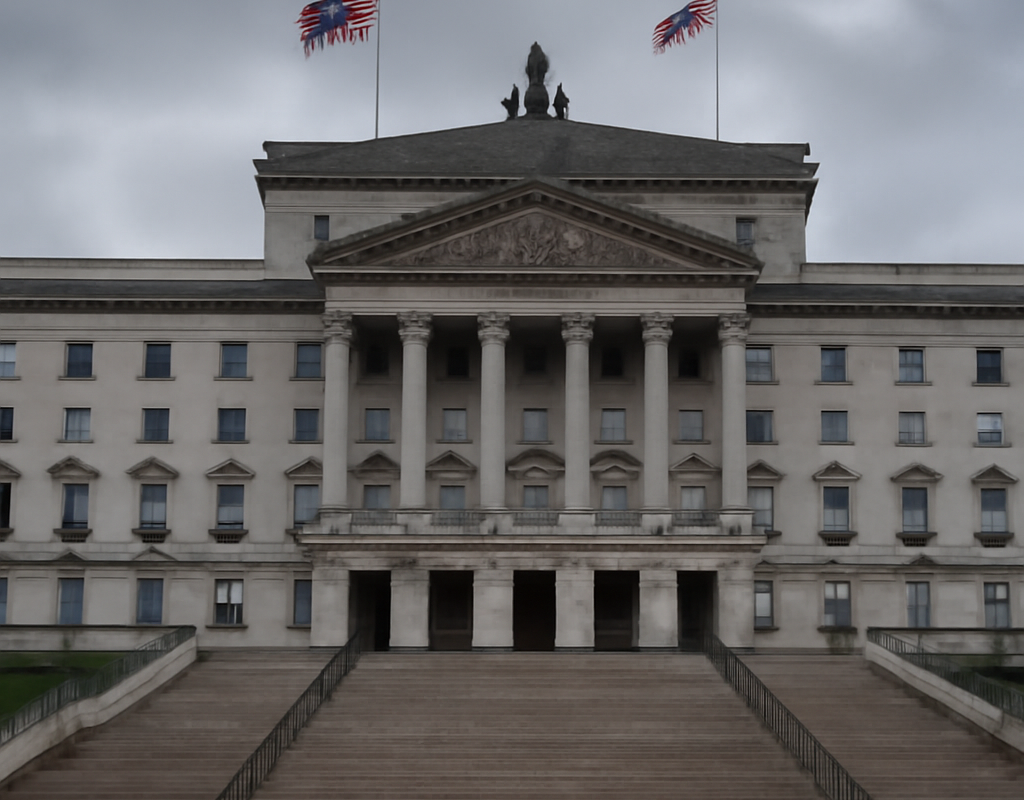
Michelle O’Neill has warned that a political block at Stormont is holding back progress in Northern Ireland, bringing renewed attention to tensions involving Sinn Féin and the DUP. The remarks are the latest development in Northern Ireland politics and will be closely followed by communities waiting for decisions on public services, funding and governance.
What happened at Stormont?
Michelle O’Neill, Northern Ireland’s First Minister, has criticised the current political impasse at Stormont. The dispute centres on the ability of the devolved institutions to operate effectively while disagreements between the main parties continue.
The issue places Sinn Féin and the Democratic Unionist Party at the centre of the latest Stormont tensions. Both parties share responsibility within Northern Ireland’s power-sharing system, but differences over policy and political priorities can make it difficult for the Executive to reach decisions.
O’Neill’s comments underline the practical consequences of that deadlock. When ministers cannot agree on key issues, decisions affecting departments and public services may be delayed or restricted.
Why the Stormont dispute matters
Northern Ireland’s devolved government is designed around cooperation between unionist and nationalist representatives. The arrangement requires the largest parties from both traditions to work together, making political stability essential to the functioning of the Executive.
A prolonged block can affect more than party negotiations. It can create uncertainty for:
- Health and social care planning
- Education and childcare policy
- Infrastructure and investment decisions
- Public-sector budgets and departmental priorities
- Businesses seeking clarity about government support
The political impact is also significant. Stormont’s effectiveness is closely watched in both Northern Ireland and the Republic of Ireland, particularly when debates concern the future of power sharing and the implementation of commitments under the Belfast Agreement.
Follow further Northern Ireland developments and public affairs coverage at DailyDigest.
Sinn Féin, the DUP and power-sharing
Sinn Féin and the DUP occupy different constitutional and political positions, but both are central to the operation of the devolved institutions. Sinn Féin supports Irish unity, while the DUP supports Northern Ireland remaining part of the United Kingdom.
Those differences do not automatically prevent government from operating. Stormont’s framework is intended to allow representatives with opposing views to share executive responsibility. However, disputes over identity, constitutional arrangements, budgets and institutional safeguards can quickly become difficult to resolve.
The latest comments show how political disagreement can become an issue of government delivery. For residents, the immediate concern is often not the procedural detail of the dispute but whether essential decisions are being made.
What happens next?
The next stage will depend on whether the parties can find enough common ground to move the issue forward. That may involve further negotiations between party leaders, discussions through the Executive and pressure from communities affected by delayed decisions.
Political developments at Stormont can change quickly, so readers should distinguish between confirmed announcements and ongoing negotiations. A statement from one party does not necessarily mean that an agreement has been reached.
Key points to watch include:
- Whether Sinn Féin and the DUP issue further statements
- Any formal announcement from the Northern Ireland Executive
- Implications for departmental decisions and public services
- Responses from other parties and civic organisations
- Whether talks produce a practical route out of the current block
Frequently asked questions
Who is Michelle O’Neill?
Michelle O’Neill is a Sinn Féin politician and the First Minister of Northern Ireland. She is one of the senior figures responsible for representing the devolved government and working with the Deputy First Minister.
Why is the DUP important at Stormont?
The Democratic Unionist Party is one of Northern Ireland’s largest political parties and plays a central role in the power-sharing system. Its participation is important to the operation of the Executive.
What can a Stormont block affect?
A political block can delay decisions, limit executive action and create uncertainty around departmental spending and public services. The precise impact depends on the nature and duration of the dispute.
Is Stormont permanently suspended?
The source material describes a political block, but it does not establish that the institutions have been permanently suspended. The position remains subject to further political developments and official announcements.
The wider significance for Northern Ireland
The dispute is another reminder of the fragile balance underpinning devolved government in Northern Ireland. Power sharing can provide representation across communities, but it also depends on sustained engagement and compromise.
For readers, the most important question is whether political leaders can convert negotiations into decisions that improve public services and provide certainty. Until that happens, Stormont’s ability to respond to pressing needs will remain under scrutiny.
Conclusion
Michelle O’Neill’s warning has placed the latest Stormont block at the centre of Northern Ireland’s political agenda. The dispute involving Sinn Féin and the DUP matters because it may affect the functioning of devolved government and the delivery of public services. Further official announcements and negotiations will determine whether the impasse can be eased.