

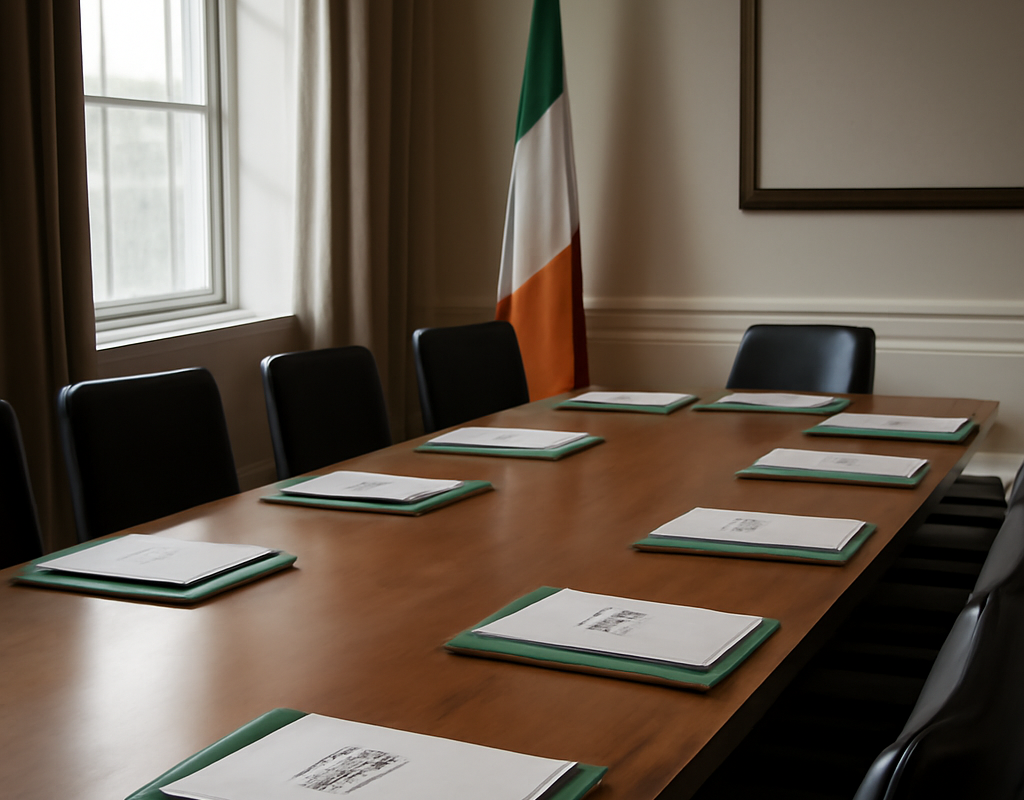
Irish public sector unions are considering escalating industrial action after negotiations with the Government stalled over pay. A further attempt to restart the talks is due on Tuesday, but union representatives say a credible offer is still needed before progress can be made.
Breaking News: unions weigh action beyond November strike
The dispute centres on a proposed new national public service pay agreement. Talks were suspended after the Government and unions failed to close what has been described as a significant gap between their positions.
Union leaders are expected to discuss possible next steps at a meeting of the Irish Congress of Trade Unions’ public sector committee. The committee includes representatives from unions whose members could be affected by any wider campaign of industrial action.
The planned one-day strike on Wednesday, November 11th, remains the immediate focus. However, unions may also consider further measures if negotiations do not produce a breakthrough, potentially affecting schools, healthcare and other public services in the weeks before Christmas.
Why the public sector pay talks have stalled
The central disagreement is the value of the proposed pay increases over the lifetime of the agreement. Unions have repeatedly indicated that they want increases that exceed inflation across the duration of the deal.
Kevin Callinan, the lead union negotiator, has said the Government’s position remains a long way from what would be required for more than 300,000 public sector workers to support an agreement.
Government sources have presented a more positive assessment. They say the offer is reasonable and realistic, while several non-pay matters, including local bargaining arrangements, are close to resolution.
That difference in assessment is at the heart of the current impasse: unions say the pay proposal is not sufficient, while the Government maintains that any agreement must remain affordable.
- A further effort to restart negotiations is planned for Tuesday.
- The next one-day strike is scheduled for November 11th.
- Unions represent more than 300,000 public sector workers in the dispute.
- Further action could affect education, healthcare and other public services.
- Any agreed deal would still need to be put to union members in a ballot.
Workplace Relations Commission steering group to meet both sides
A three-person steering group chaired by Workplace Relations Commission chair Kevin Foley is expected to meet the two sides separately on Tuesday. The group also includes ICTU general secretary Owen Reidy and Department of Environment secretary general Oonagh Buckley.
Its role will be to establish whether the outstanding differences can be narrowed and whether a full return to negotiations is possible later in the week. Government sources have indicated that informal contacts continued during the weekend.
The intervention offers a possible route back to formal talks, but it does not guarantee an agreement. If the process resumes, the two sides will still have to settle the value of the pay package and resolve any remaining issues in the proposed national deal.
How a wider strike could affect Ireland
The November 11th action is expected to include marches in Dublin and other major regional centres. Its effects could be felt well beyond the demonstrations, depending on the level of participation across individual unions and workplaces.
Potential consequences include:
- School closures or disruption to normal school services
- Delays or reduced services in parts of the health system
- Disruption across Government departments and public bodies
- Changes to local and national public services
The timing is also politically sensitive. Meetings involving European leaders are scheduled in Ireland on November 12th and 13th as part of the country’s EU presidency. A strike the previous day could complicate preparations and place additional pressure on the Government to resolve the dispute.
Follow DailyDigest for Ireland News, public services updates and developing national stories.
What happens next in the pay dispute?
The immediate sequence of events is expected to be:
- The WRC steering group meets union and Government representatives on Tuesday.
- The sides assess whether the talks can be restarted later in the week.
- Union executives consider any revised proposal or recommend further action.
- If a deal is reached, union members vote on whether to accept it.
Unlike the union side, the Government does not need to hold a membership ballot before implementing an agreement. Union acceptance is therefore not guaranteed even if negotiators reach a compromise.
The planned strike could still be avoided if the steering group helps produce a proposal that union negotiators consider credible. If not, the dispute may move into a more disruptive phase before Christmas.
Frequently asked questions
When is the next planned public sector strike?
The next one-day strike is scheduled for Wednesday, November 11th.
Who is involved in the talks?
The negotiations involve the Government and public sector unions represented through the ICTU process. A WRC steering group is attempting to help bridge the differences.
What is the main disagreement?
The principal dispute concerns the size and duration of proposed pay increases, although other parts of the agreement are also being finalised.
Will a deal automatically end the strike?
No. Any deal would need to be considered and voted on by union members. The result of that ballot cannot be assumed in advance.
Conclusion: pressure grows for a credible pay offer
The public sector pay dispute has reached a critical stage, with unions preparing to consider strike escalation while the Government looks to the WRC process for a route back to negotiations. The November 11th action remains the key deadline, particularly because of its potential impact on public services and EU presidency events.
For workers and the wider public, the next significant update will come from Tuesday’s meetings. A credible movement on pay could reopen the path to an agreement; without it, Breaking News Ireland may soon include further disruption across schools, healthcare and public administration.