

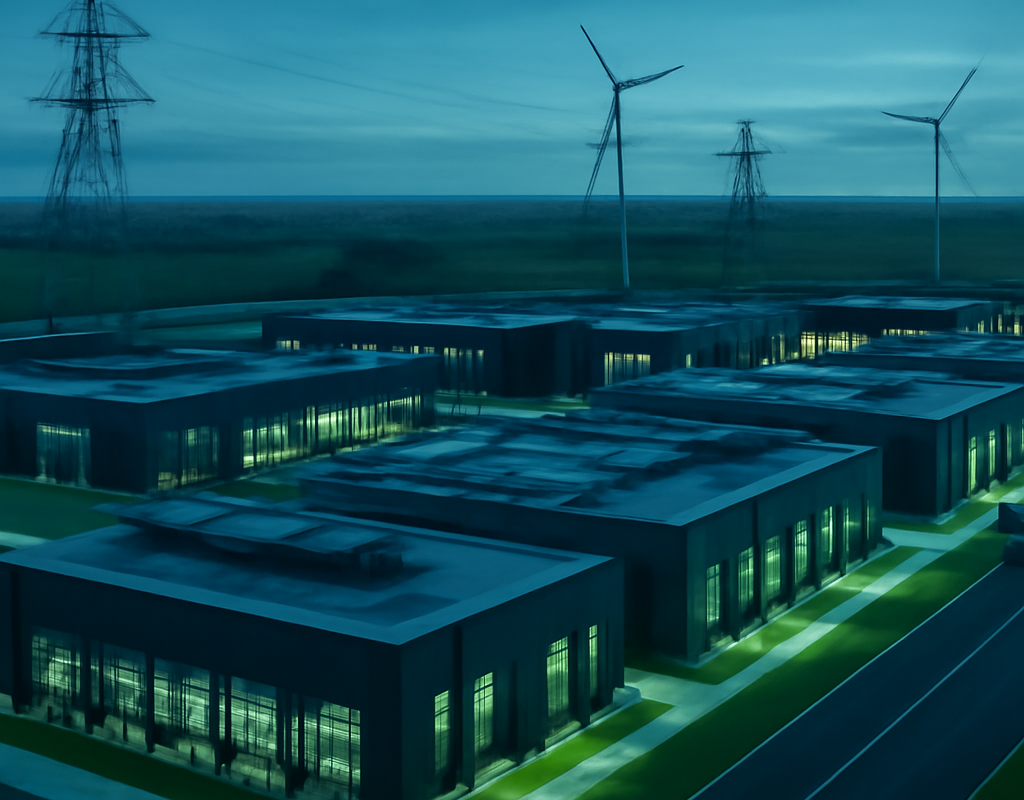
Ireland’s data centre sector is facing renewed public and political scrutiny as questions grow about electricity demand, infrastructure capacity and the country’s long-term digital strategy. The debate is central to Ireland’s future as a technology hub, but it also affects energy planning, housing, regional development and the cost of expanding the national grid.
Why Ireland’s data centre debate matters
Data centres provide the computing power behind cloud services, online platforms, artificial intelligence tools, streaming and business software. Ireland has attracted major technology investment for years, helped by its skilled workforce, international connections and position within the European Union.
That success has created a difficult policy question: how can Ireland support digital investment without placing excessive pressure on the electricity system or undermining climate targets?
The issue has become one of the most closely watched areas of Irish economic and energy policy. It connects technology investment with the work of the Irish Government, EirGrid, the Commission for Regulation of Utilities and other public bodies responsible for energy security and national infrastructure.
What is driving concern about data centres in Ireland?
The principal concern is the amount of electricity required to operate and cool large-scale facilities. Data centres need reliable power around the clock, and their demand can be concentrated in areas where several campuses operate close to one another.
This creates pressure to expand generation, transmission networks and connection capacity. It also raises questions about when new facilities should be permitted to connect and whether sufficient renewable energy and grid infrastructure will be available as demand grows.
- Grid capacity: New connections must be managed alongside homes, hospitals, transport and industry.
- Energy security: Ireland must maintain dependable electricity supplies during periods of high demand or limited renewable output.
- Climate commitments: Additional consumption must be considered alongside emissions targets and renewable-energy plans.
- Economic benefits: Data centres support investment, construction, technical employment and tax revenue.
- Local impacts: Communities may face planning, land-use, water and infrastructure concerns.
How the sector has shaped Ireland’s economy
Ireland’s technology economy depends on secure digital infrastructure. International companies use facilities based here to deliver services across European and global markets. The sector has therefore become part of the country’s wider competitiveness strategy, alongside investment in broadband, research, cybersecurity and artificial intelligence.
Supporters argue that restricting data centres too sharply could reduce Ireland’s appeal to multinational employers and encourage future investment to move elsewhere. They also point to the wider importance of cloud computing for financial services, public administration, healthcare and small businesses.
Critics do not necessarily oppose the technology sector, but want development to take place within clear limits. Their concerns include whether the benefits are being distributed nationally, whether grid upgrades are being paid for fairly and whether new projects are consistent with Ireland’s energy transition.
Follow the latest developments in Ireland’s energy, infrastructure and business sectors at DailyDigest.ie.
The role of planning and regulation
Data centre proposals must navigate planning rules, environmental assessments, electricity connection processes and local authority decisions. The outcome can depend on location, existing grid capacity and the proposed facility’s design and energy arrangements.
Regulators and policymakers face the challenge of creating rules that are predictable for investors while protecting the public interest. A clear framework can help companies plan responsibly and allow communities to understand how projects will affect local services and infrastructure.
Possible policy tools include connection conditions, requirements for efficient cooling systems, stronger use of renewable power, demand-management measures and closer coordination between planning and energy authorities. The appropriate balance remains a matter of ongoing debate.
What could happen next?
The data centre question is unlikely to be resolved by a single decision. Future developments will depend on electricity demand forecasts, grid investment, planning outcomes, renewable generation and national policy.
Readers should expect continued attention to:
- New planning applications and appeals involving large technology facilities.
- Updates from EirGrid and energy regulators on available connection capacity.
- Government measures linked to renewable energy, emissions and infrastructure.
- Industry commitments on efficiency, backup power and demand management.
- Local community responses in areas experiencing concentrated development.
Frequently asked questions
Why are data centres important to Ireland?
They support cloud computing, online services, artificial intelligence and business operations, while contributing to technology investment and employment.
Why do data centres require so much electricity?
Servers operate continuously and generate heat, so facilities require substantial power for computing, cooling, security and backup systems.
Does data centre growth affect households?
It can affect national energy planning, grid investment, connection priorities and the wider debate about how electricity demand is managed.
Are all proposed facilities approved?
No. Projects must pass through planning and electricity-connection processes, and decisions can depend on local conditions and available infrastructure.
The wider significance for Ireland
Ireland’s data centre debate is ultimately about how the country wants to manage growth. Digital infrastructure can strengthen the economy, but it must develop alongside reliable energy supplies, climate policy and public services.
The key takeaway from this Breaking News story is that Ireland’s technology ambitions and energy responsibilities cannot be treated separately. Decisions made now will influence investment, grid resilience and the country’s ability to support future digital services for years to come.