

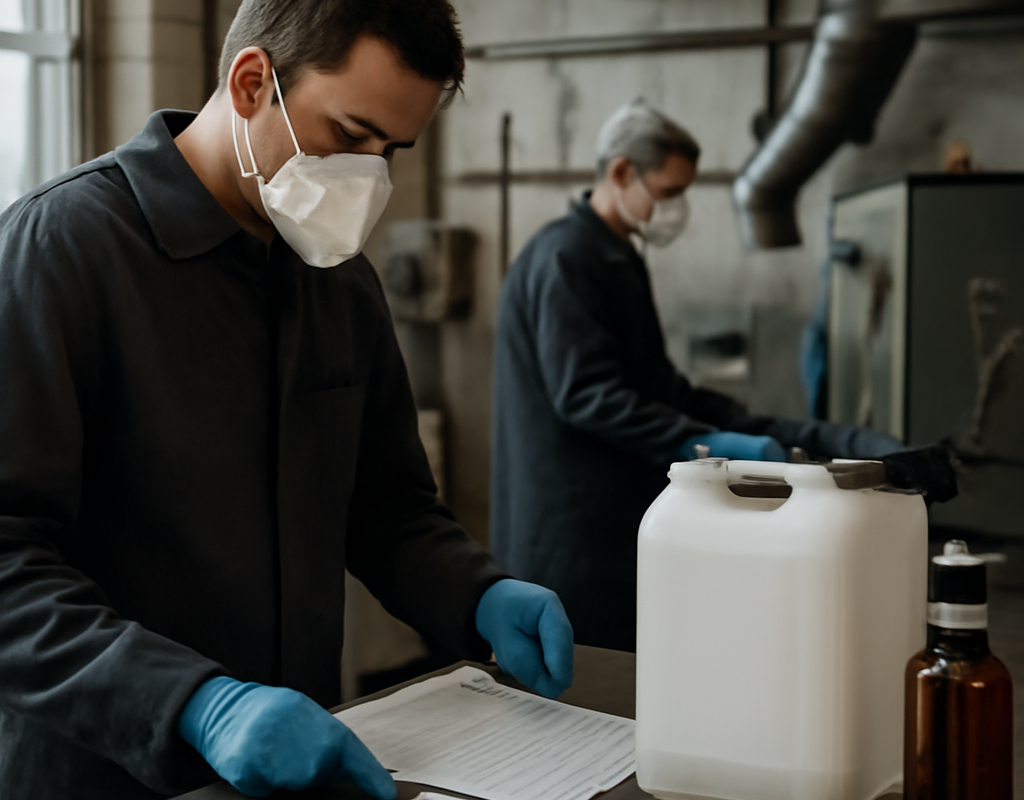
Workplace-related cancer deaths in Ireland are not falling, and smaller businesses are being identified as a major part of the problem. A Health and Safety Authority (HSA) conference in Dublin heard that many companies lack the expertise, resources and procedures needed to protect workers from carcinogenic substances.
The warning is significant for Ireland’s occupational health agenda because exposure to dangerous materials can lead to illnesses that develop years or even decades after contact. Although awareness campaigns and workplace inspections have increased, the number of deaths linked to occupational carcinogens has plateaued rather than declined.
Key facts from the conference
- The HSA estimates that about 400 people die in Ireland each year following workplace exposure to carcinogens.
- Across Europe, workplace exposure is associated with approximately 100,000 cancer deaths annually.
- Diesel engine exhaust is linked to about 4,200 cancer deaths each year in Europe.
- High-risk occupations include welding, plumbing, carpentry and stonemasonry.
- Only about one in five of the smallest firms monitored had strong safety procedures for hazardous substances.
Why workplace cancer deaths remain a concern
Unlike an immediate workplace accident, occupational cancer often has a long latency period. A worker may be exposed to a hazardous substance for years before developing symptoms, making it difficult to calculate the full effect of current safety failures.
Darren Arkins, occupational health programme manager with the HSA, said the figures were “plateauing”. The expectation had been that fatalities would begin to fall from 2020, but that reduction has not materialised.
The issue is not confined to one sector. Construction and manufacturing are commonly associated with dust, fumes and chemical exposure, but carcinogens can also be present in health settings and other workplaces where formaldehyde or similar substances are used.
Small business compliance under scrutiny
The conference heard that smaller firms often face particular challenges in meeting occupational safety requirements. HSA chief executive Mark Cullen said non-compliance was generally linked to limited knowledge, a lack of specialist expertise or insufficient resources, rather than deliberate disregard for the law.
That distinction does not remove the risk to employees. Employers remain responsible for identifying hazardous substances, assessing exposure and putting effective controls in place. Workers also need clear information about the materials they handle and the protective equipment required.
Findings presented from workplace monitoring in Germany illustrated the scale of the challenge. Among the smallest firms assessed, only 20 per cent were judged to have good safety protocols or strong compliance systems for hazardous substances. A further 41.2 per cent had poor or non-existent risk assessments and procedures.
Larger businesses generally performed better and were more likely to involve medical expertise in their safety arrangements. However, the conference heard that even among companies with up to 250 employees, 11 per cent still had inadequate systems.
Follow workplace safety, public services and health developments through the latest coverage at DailyDigest.
Which substances and jobs carry risks?
Delegates highlighted several substances that can cause serious harm when controls are weak or exposure is not properly managed:
- Diesel engine exhaust: a major concern for workers around vehicles, machinery and enclosed work areas.
- Silica dust: associated with activities involving stone, concrete and other construction materials.
- Asbestos: a continuing hazard in older buildings and during renovation or demolition work.
- Formaldehyde: used in some healthcare and laboratory settings.
Welding, plumbing, carpentry and stonemasonry were among the occupations identified as carrying elevated exposure risks. The presence of a substance does not automatically mean that workers will become ill, but the risk increases when ventilation, substitution, protective equipment and monitoring are inadequate.
European inspections found widespread exposure
Angela Crone of Germany’s Ministry for Labour said a monitoring project found diesel exhaust in 20 per cent of workplaces inspected. Silica dust was identified in 17 per cent and asbestos in 14 per cent.
The inspections covered almost 5,000 workplaces, and all 12 carcinogens targeted by the project were found during the assessment process. The findings reinforce the importance of inspecting workplaces beyond industries traditionally viewed as high risk.
Maria Luisa Cabral of the European Commission said occupational illness should be preventable when known safety measures are applied. The challenge, she said, is ensuring that knowledge about prevention is translated into practical protection for workers.
What employers and workers should expect next
The conference puts renewed attention on how safety standards are implemented in small and medium-sized businesses. The central question is not simply whether rules exist, but whether employers have the knowledge and support to apply them consistently.
Businesses using hazardous substances should ensure that they:
- Identify every carcinogenic or potentially carcinogenic substance in the workplace.
- Complete and regularly update exposure risk assessments.
- Consider whether a dangerous substance can be removed or replaced.
- Use ventilation, isolation and other engineering controls before relying solely on personal protective equipment.
- Provide workers with understandable training and health information.
- Seek occupational health advice where exposure risks are complex.
Workers who are concerned about exposure should raise the issue through their employer’s safety procedures or workplace representative. Where serious risks are not addressed, employees can seek information from the HSA about workplace safety rights and reporting routes.
Frequently asked questions
How many people die from workplace-related cancer in Ireland?
The HSA estimates that about 400 people in Ireland die each year as a result of exposure to carcinogens at work. Because occupational cancers can take many years to develop, precise figures are difficult to establish.
Why are smaller firms more exposed to compliance problems?
The conference heard that smaller companies may lack dedicated safety staff, specialist knowledge or the resources needed to assess hazardous substances properly. The HSA said most failures were linked to limited awareness rather than intentional breaches.
Which workplace substances are a particular concern?
Diesel exhaust, silica dust, asbestos and formaldehyde were among the hazards discussed. The level of risk depends on factors including concentration, duration of exposure and the quality of safety controls.
Conclusion: prevention must reach every workplace
The latest Ireland News on occupational health delivers a clear message: workplace cancer deaths will not fall unless prevention measures are applied consistently across businesses of every size. Small firms may need more guidance and support, but workers cannot be protected by awareness campaigns alone.
Effective risk assessments, safer processes, proper training and independent oversight are essential. The key takeaway from the HSA conference is straightforward: the causes of many occupational cancers are known, and stronger implementation of existing protections could save lives.