

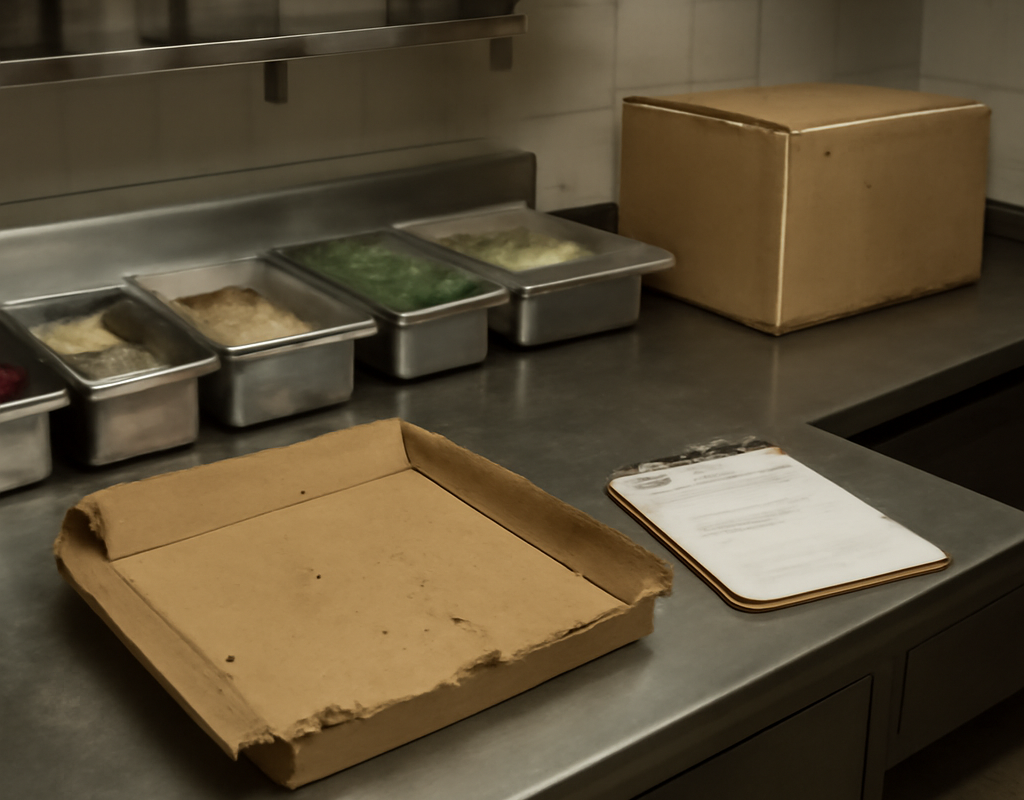
Breaking News Ireland: an “extensive active rodent infestation” and possible cross-contamination risks were among the food safety concerns that led to closure and prohibition orders being issued against businesses during October.
The enforcement action was reported by the Food Safety Authority of Ireland (FSAI), following inspections carried out by environmental health officers working with the Health Service Executive (HSE). The findings highlight the importance of basic hygiene, pest control and safe food handling in premises serving the public.
What happened in the latest Ireland news?
According to the FSAI, three closure orders and one prohibition order were served on food businesses during October because of breaches of food safety legislation. The reported problems included rodent droppings, packaging showing signs of gnawing and conditions that created a risk of food becoming contaminated.
The source report identified a pizza outlet among the businesses subject to enforcement action. Inspectors cited evidence consistent with an active rodent problem, alongside concerns about cross-contamination. The orders were issued under Ireland’s food safety laws and were designed to prevent continued operation where public health could be put at risk.
Why the findings matter for food safety in Ireland
Rodent activity is a serious food hygiene concern because pests can contaminate food, packaging, preparation areas and equipment. Droppings and gnaw marks may indicate that pests have accessed storage or production areas, while damaged packaging can compromise the protection of ingredients.
Cross-contamination is another significant risk. It can occur when harmful organisms or contaminants move from unclean surfaces, raw ingredients, pests or waste areas onto food that is ready to eat. Effective separation, cleaning and temperature control are central to preventing that chain of contamination.
For customers, the case is a reminder that food safety depends on more than the appearance of a dining area. Behind-the-scenes storage, pest management and cleaning systems are also essential parts of a safe food business.
Key facts from the enforcement action
- Three closure orders were issued during October.
- One prohibition order was also served.
- The enforcement action followed inspections by HSE environmental health officers.
- Reported concerns included an active rodent infestation, gnawed packaging and cross-contamination risks.
- The actions related to breaches of food safety legislation.
How closure and prohibition orders work
A closure order prevents a food business, or part of its operation, from continuing until the identified risk has been addressed. A prohibition order can prevent the use of specific equipment, processes or premises where those activities present a threat to public health.
These measures are enforcement tools rather than routine administrative notices. They are used when inspectors consider that urgent action is needed to protect consumers. A business must satisfy the relevant authorities that deficiencies have been corrected before the restrictions can be lifted.
Food safety enforcement in Ireland is carried out through cooperation between the FSAI, the HSE and environmental health officers. The FSAI publishes information on enforcement activity as part of its role in maintaining standards across the food sector.
Read More
Follow DailyDigest for further Ireland News, public health developments and verified News Updates.
What food businesses are expected to do
Food operators are responsible for maintaining procedures that identify and control risks before they affect customers. Those responsibilities include keeping premises clean, protecting ingredients, controlling pests and ensuring staff follow safe food-handling practices.
In practical terms, a compliant food premises should have:
- Effective pest prevention and monitoring arrangements.
- Secure storage that protects food and packaging from contamination.
- Cleaning and disinfection procedures for preparation areas and equipment.
- Systems to separate raw and ready-to-eat foods.
- Reliable waste management and maintenance processes.
- Staff training covering hygiene and food safety responsibilities.
Where a business identifies signs of pests, it must respond quickly, isolate affected materials and arrange appropriate professional treatment. Simply removing visible evidence is not enough if the underlying source of the infestation remains.
What customers should know
Consumers who are concerned about food hygiene can report suspected problems to the HSE environmental health service or contact the FSAI. Useful information may include the business name, location, date of the visit and details of the concern.
Customers should not attempt to investigate an alleged infestation themselves. Instead, they should avoid consuming food they believe may be unsafe and report the matter through the appropriate official channel.
What happens next?
The affected businesses must address the deficiencies identified by inspectors and demonstrate that food safety requirements are being met. The source information does not provide details about when individual orders may be lifted or whether the premises involved have reopened.
That means the situation remains dependent on follow-up action and verification by the relevant authorities. Further information may become available through official FSAI enforcement updates or statements from the businesses involved.
Frequently asked questions
What caused the closure orders?
The reported reasons included an extensive active rodent infestation, rodent droppings, gnawed packaging and risks of cross-contamination.
Who carried out the inspections?
Environmental health officers from the HSE served the orders following inspections of food businesses.
How many orders were issued?
The FSAI reported three closure orders and one prohibition order during October.
Does a closure order mean a business can never reopen?
No. A closure order prevents operation until the relevant food safety problems have been corrected and the necessary requirements for reopening have been satisfied.
Conclusion
This Breaking News Ireland report underlines why pest control, clean storage and separation of food are fundamental public health safeguards. The FSAI enforcement figures show that businesses which fail to meet those basic requirements can face immediate restrictions. Customers should rely on official Food Safety Authority of Ireland and HSE information for verified updates, while food operators must treat any sign of contamination as an urgent compliance issue.