

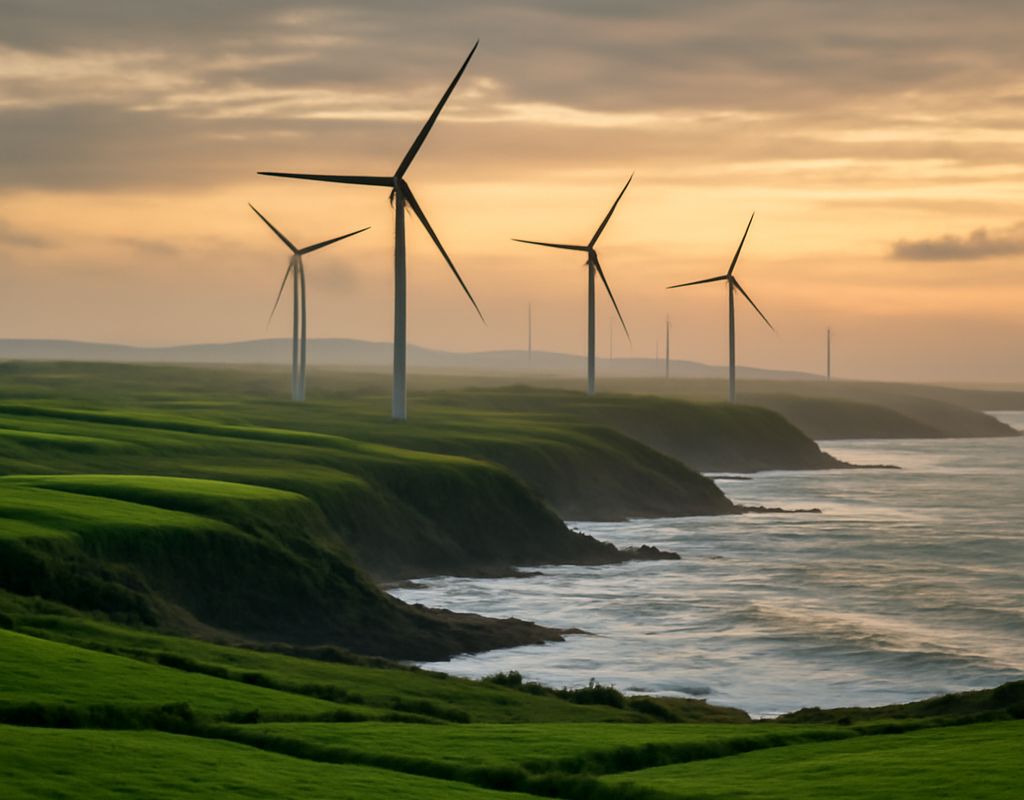
Ireland’s wind energy plans are back in focus as the country works to increase renewable electricity generation and reduce reliance on imported fossil fuels. The proposed expansion could affect communities, landowners, electricity consumers and the future design of the national power grid.
What is happening with wind farms in Ireland?
The Irish Government is planning for a significant increase in renewable energy capacity, with onshore and offshore wind expected to play a central role. The aim is to produce more electricity from domestic sources while supporting climate targets, energy security and the electrification of transport and heating.
Wind farms are already one of Ireland’s most important sources of renewable power. However, the next phase of development is likely to require new planning decisions, grid investment, environmental assessments and engagement with communities near proposed projects.
- Wind power is expected to remain central to Ireland’s renewable-energy strategy.
- Future projects may include both onshore and offshore developments.
- Planning, grid capacity and community support will influence how quickly projects proceed.
- The impact on electricity bills will depend on infrastructure costs, market conditions and wider energy policy.
Why Ireland is prioritising wind energy
Ireland has a strong natural wind resource, particularly along its western and southern coasts and across exposed inland areas. That gives the country an opportunity to generate more low-carbon electricity at home instead of depending heavily on imported gas and other fuels.
Greater renewable generation is also linked to wider changes in Irish energy policy. As more homes and businesses move towards electric vehicles, heat pumps and electric heating systems, electricity demand is expected to grow. New wind capacity could help meet that demand, provided the grid can transport power from generation sites to population centres and industrial users.
The strategy also has an energy-security dimension. Domestic renewable electricity can reduce exposure to international fuel-price shocks, although wind generation varies according to weather conditions and must be supported by storage, interconnection, flexible generation and demand management.
Onshore and offshore wind development
Onshore wind farms
Onshore projects are generally faster and less expensive to build than offshore developments, but they can face strong local opposition. Residents may raise concerns about landscape changes, noise, biodiversity, construction traffic and the effect on nearby property.
Planning authorities must assess each proposal on its own merits. Developers typically need to demonstrate that a project can operate safely, protect sensitive habitats and comply with planning and environmental requirements.
Offshore wind projects
Offshore wind offers the potential for large-scale generation in waters around Ireland. It may also support port activity, engineering, construction and long-term maintenance jobs. The projects are technically complex and require seabed surveys, maritime planning, environmental studies and major connections to the electricity network.
Offshore development is therefore likely to take years from initial assessment to construction. Its progress will depend on consenting, auction arrangements, supply-chain capacity and the availability of suitable grid infrastructure.
Planning and community concerns
One of the biggest challenges facing new wind farms is securing public confidence. National climate goals do not automatically resolve local concerns, particularly where communities feel they have limited influence over project design or receive little direct benefit.
Important questions for affected areas include:
- Where will turbines and access roads be located?
- How will wildlife, peatlands, waterways and protected habitats be safeguarded?
- What community benefit will be available?
- How will construction traffic and disruption be managed?
- Will local electricity networks be strengthened?
Transparent consultation will be essential. Clear information about setbacks, noise, landscape impact, compensation and community investment can help residents understand what is proposed, while independent assessments can separate confirmed impacts from claims that remain unverified.
Follow further Irish energy and public-policy coverage at DailyDigest.ie.
What could the plans mean for electricity consumers?
More wind generation could reduce Ireland’s exposure to fossil-fuel prices and help decarbonise the electricity system. It does not guarantee immediate reductions in household bills. Consumer costs are also shaped by network upgrades, wholesale electricity prices, taxes, levies and the cost of balancing variable generation.
Grid investment is particularly important. Wind farms can produce substantial amounts of electricity during periods of strong wind, but output falls when conditions are calm. A reliable system therefore needs a mix of renewable sources, storage, interconnection and responsive demand.
What happens next?
The next stage will involve more detail on locations, planning rules, grid connections, environmental safeguards and the timetable for delivery. Individual projects will still need to pass through the relevant consenting and assessment processes; a national ambition does not itself approve a wind farm.
Residents, landowners and businesses should look for formal consultation documents, planning notices and information from relevant public bodies rather than relying solely on social media summaries. Project details can change significantly between early proposals and final applications.
Frequently asked questions
Will all proposed wind farms be built?
No. Each project must secure the necessary permissions, satisfy environmental requirements and obtain a viable grid connection and financing.
Will wind power eliminate fossil fuels?
Wind can reduce the role of fossil fuels in electricity generation, but a dependable system will still require backup, storage, interconnection and other technologies during periods of low renewable output.
Why is the electricity grid important?
New turbines can only contribute fully when electricity can be moved from generation sites to homes, businesses and industry. Grid capacity is therefore as important as the turbines themselves.
Conclusion
Ireland’s wind farm plans represent a major decision about the country’s energy future. The expansion of renewable generation could improve energy security, support climate action and create economic opportunities, but delivery will depend on credible planning, stronger grid infrastructure and meaningful community participation. The clearest takeaway from this Breaking News development is that Ireland’s transition to cleaner power will be shaped not only by how many turbines are built, but by how responsibly each project is planned and delivered.