

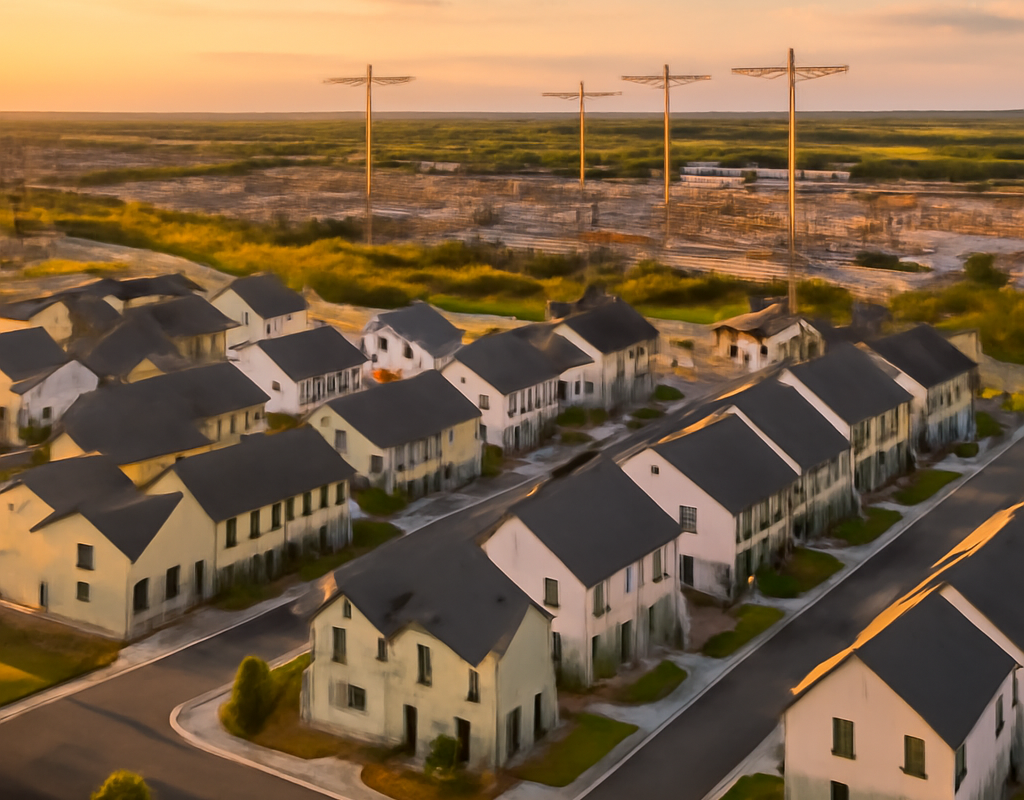
Ireland’s housing completions have increased, offering fresh evidence that residential construction is gaining momentum as the country continues to face intense demand for homes. The development is significant for households, renters and buyers watching Ireland housing supply closely.
Housing completions rise across Ireland
The latest figures show an increase in the number of homes completed in Ireland. While the rise does not resolve the country’s housing shortage on its own, it represents an important step in expanding supply and supporting people seeking somewhere to live.
Housing completions are a key measure of activity in the residential construction sector. They reflect homes that have moved beyond planning and building stages and are ready for occupation. That makes the figures particularly relevant to Ireland’s housing debate, where announcements about permissions or construction starts do not always translate quickly into available homes.
Why the increase matters
Higher completion levels can affect several parts of the housing market:
- Homebuyers: more completed properties may gradually widen the choice of homes available to purchase.
- Renters: additional supply can help ease pressure in areas where demand for rental accommodation is high.
- Government policy: the figures provide an important measure of progress against national housing targets.
- The construction sector: stronger output supports jobs and activity among builders, contractors and suppliers.
The effect will not be immediate everywhere. New homes must be completed in the locations where demand is strongest, and affordability remains a separate challenge from supply.
Follow further Ireland housing and property developments at DailyDigest.
What the figures mean for Ireland housing
Ireland’s housing market has been shaped by years of limited supply, population growth and strong demand in urban centres. Dublin remains a major focus, but housing pressure also affects Cork, Galway, Limerick and other towns and cities.
A rise in completions is therefore a positive indicator, but it should be considered alongside other measures, including planning approvals, commencement notices, construction costs, mortgage availability and the number of homes being delivered for social and affordable housing.
For households, the practical question is whether increased construction will lead to more affordable homes. A larger supply can improve market balance over time, but prices and rents are also influenced by incomes, interest rates, land costs, building standards and local demand.
Construction activity and the cost of living
Housing is closely linked to Ireland’s wider cost-of-living pressures. High rents and mortgage repayments can affect household budgets, while accommodation costs also influence employers, students and people considering a move for work.
More completions may help reduce competition for some properties, particularly if delivery continues consistently. However, one set of figures cannot establish a long-term trend. The most meaningful assessment will come from monitoring output over several quarters and examining where the homes are being built.
Questions that remain important
As the housing market develops, policymakers and the public will be watching:
- Whether completion levels continue to rise.
- How many new homes are affordable for average earners.
- Which regions are receiving the greatest share of new supply.
- Whether social and cost-rental housing delivery is keeping pace with need.
- How construction costs and financing conditions affect future projects.
What happens next?
The next stage will be to determine whether the increase can be sustained. Continued delivery depends on access to finance, planning capacity, infrastructure, labour and materials. Delays in any of these areas can slow projects before they reach completion.
Government housing measures will also remain under scrutiny. Completion figures are one part of the picture, alongside homelessness data, rental availability, house prices, mortgage approvals and progress on public housing programmes.
People trying to buy or rent should treat the latest figures as a positive supply signal rather than an immediate guarantee of lower prices or easier access. Local conditions can vary sharply, and new homes may take time to reach the market.
Frequently asked questions
What are housing completions?
Housing completions are homes that have finished construction and are considered ready for occupation. They differ from planning permissions and housing commencements, which represent earlier stages of development.
Will more completions make homes cheaper?
More supply can reduce pressure over time, but prices and rents depend on several factors, including location, demand, household incomes, interest rates and construction costs. An increase in completions does not guarantee an immediate fall in housing costs.
Does the increase solve Ireland’s housing shortage?
No. The rise is encouraging, but Ireland still needs sustained delivery across different regions and tenures, including private, social, affordable and cost-rental homes.
The wider picture
The increase in housing completions is an important development in Ireland’s ongoing housing story. It suggests that more homes are moving through the construction pipeline, but the lasting impact will depend on whether delivery remains strong and whether the homes match the needs of local communities.
For now, the clearest takeaway is that rising completions are welcome news, but sustained construction and improved affordability will determine whether Ireland’s housing pressures genuinely ease. Readers should expect further housing updates as new data reveals whether this momentum continues.