

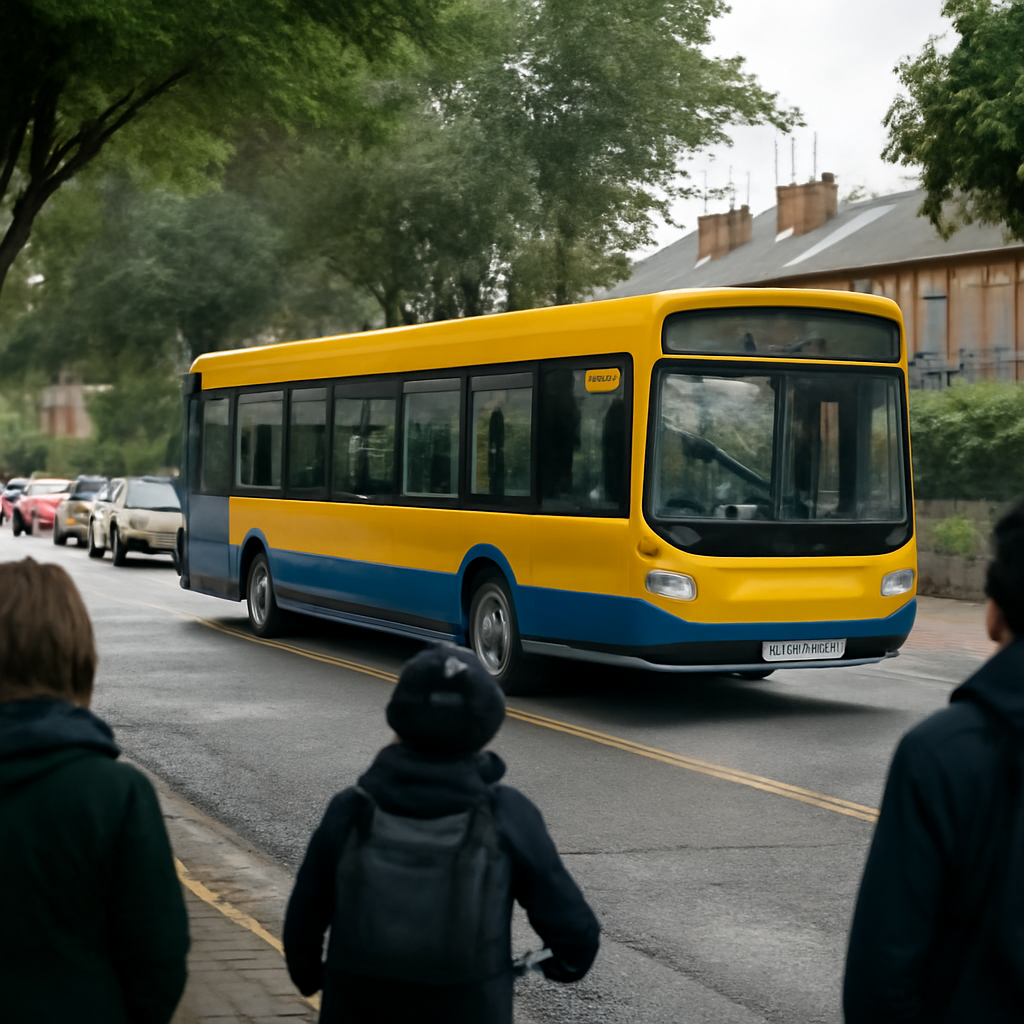
A dedicated school bus plan for Dublin has received strong public support in a new poll, as families continue to face pressure from congestion, overcrowded services and difficult school journeys. The proposal has renewed debate about how Ireland can make daily travel safer, more reliable and less dependent on private cars.
What is the Dublin school bus proposal?
The plan would create dedicated bus services designed specifically for schoolchildren. Unlike ordinary routes, these buses could be scheduled around school opening and closing times and potentially operate with stops close to participating schools.
The idea is aimed at addressing a familiar problem for many Dublin families: children travelling during the busiest parts of the morning and afternoon commute. A dedicated service could reduce the number of pupils relying on already crowded public transport, while also giving parents a more predictable alternative to driving.
The poll result indicates that the concept has public backing, although support for a proposal does not automatically settle questions about funding, capacity, staffing, routes or implementation.
Why the proposal matters for Dublin families
School travel is a daily issue rather than an occasional transport concern. When a route is late, full or cancelled, the effects can be felt immediately by students, parents, teachers and employers.
A dedicated school bus network could have several practical benefits:
- More reliable journeys during peak commuting times
- Reduced pressure on regular Dublin bus services
- Fewer car journeys around schools
- Improved confidence for families considering public transport
- Potential safety benefits at school gates and nearby roads
The proposal also connects with wider discussions about traffic management, climate policy and the need to make public transport more useful for young people. If more pupils can travel by bus, roads around schools may become less congested at the busiest times of day.
Follow further Dublin News and Public Transport Ireland updates as transport proposals develop.
Challenges that would need to be resolved
Public support is only one part of the process. Any dedicated school bus plan would need detailed operational planning before services could begin.
Routes and capacity
Officials would need to identify the schools and communities most in need, estimate passenger numbers and design routes that are convenient without becoming excessively long. Demand could vary significantly between areas, particularly where schools are spread across large parts of the city.
Funding and responsibility
The cost of buses, drivers, fuel, maintenance, supervision and administration would need to be clarified. The scheme could involve national transport authorities, schools, local government and education bodies, depending on how it was designed.
Safety and safeguarding
School transport requires clear rules for boarding, drop-off points, behaviour and emergency procedures. Authorities would also need to consider whether additional supervision is necessary, especially for younger children.
Integration with existing services
A new network should complement rather than undermine existing public transport. Timetables would need to work with school hours and connect sensibly with wider bus, rail and local transport services.
How the plan fits into Ireland’s transport debate
The discussion comes as Ireland continues to examine ways to improve public transport and reduce congestion. Dublin’s population, employment patterns and school distribution create particular pressure during morning and afternoon peaks.
School transport is also linked to the broader cost of living. Families who cannot rely on a regular bus may face extra fuel costs, parking expenses or the need to adjust working arrangements. A dependable service could therefore have an impact beyond the journey itself.
However, a dedicated bus service would not solve every transport problem. It would need to form part of a wider approach involving reliable mainstream routes, safe walking and cycling infrastructure, effective traffic management and better coordination between transport and education planning.
What happens next?
The poll is likely to add momentum to calls for a closer examination of the proposal. The next stage would be a feasibility assessment covering demand, cost, routes, vehicle availability and the regulatory requirements for carrying schoolchildren.
Families and schools will also want clear information about eligibility, fares, booking arrangements, accessibility and the areas that could benefit first. If a pilot scheme is considered, its performance could be measured through punctuality, passenger numbers, road congestion and feedback from parents and schools.
Frequently asked questions
What is a dedicated school bus?
It is a bus service planned specifically for school journeys, with routes and schedules designed around school start and finish times.
Would it replace regular public transport?
Not necessarily. The proposal is intended to provide an additional option and reduce pressure on existing services, but the final design would determine how it operates alongside ordinary routes.
Who would run the service?
No operator or final delivery model is confirmed in the available information. Responsibility would depend on decisions by the relevant transport and education authorities.
When could a service begin?
A start date cannot be confirmed without further planning, funding and operational decisions. Any rollout would depend on the outcome of feasibility work and consultation.
The bigger picture for Dublin transport
The strong poll response shows that many people see school travel as part of Dublin’s wider transport challenge. Parents want dependable journeys, students need safe access to education and the city needs practical ways to reduce unnecessary car traffic.
The key takeaway is that a dedicated school bus plan has clear public appeal, but its success would depend on careful design and reliable delivery. The coming decisions on funding, routes and accountability will determine whether the proposal becomes a workable transport solution or remains an idea supported in principle.