

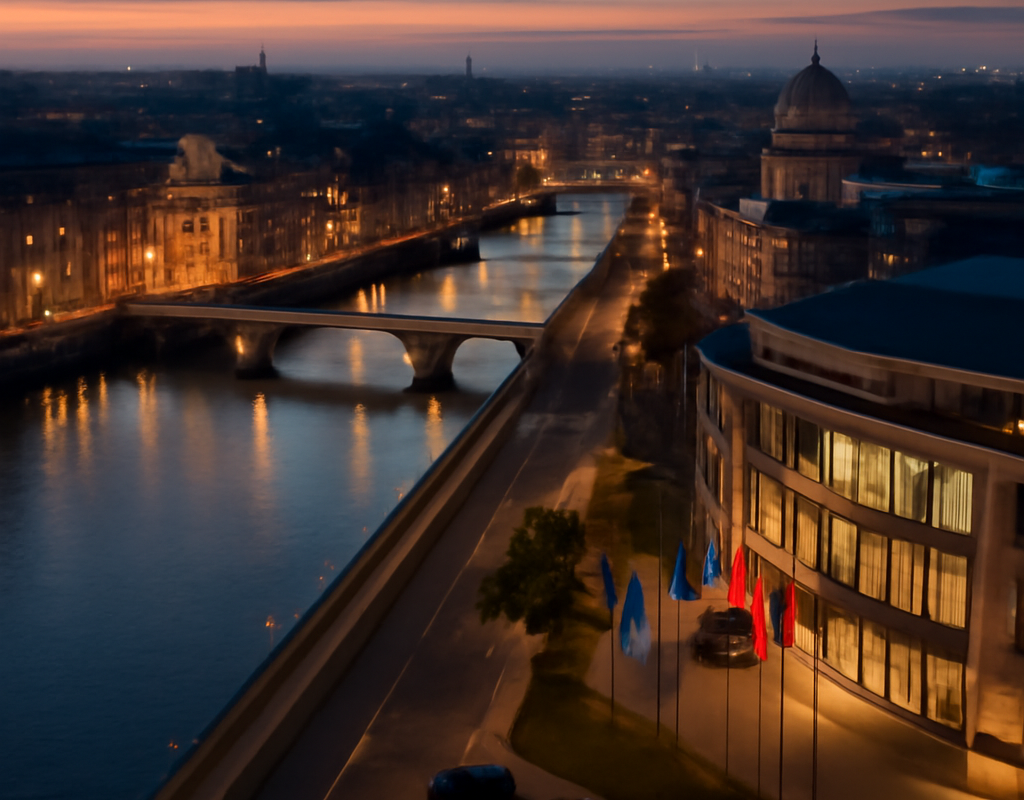
Dublin is set to take centre stage in European diplomacy as Ireland prepares to host a summit of the European Political Community. The meeting will bring European leaders together for discussions at a time of heightened pressure on the continent’s security, economy and political relationships.
Breaking News: European leaders heading to Dublin
The European Political Community summit is scheduled to take place in Dublin in November 2026. It will be one of the most significant international political gatherings held in Ireland in recent years and is expected to attract heads of government, senior officials and substantial global media attention.
The European Political Community was established to create a broader forum for dialogue between European countries, including nations that are not members of the European Union. Its meetings provide an opportunity to discuss shared challenges outside the EU’s formal decision-making structures.
Why the summit matters for Ireland
Ireland’s role as host will place the country at the centre of conversations about Europe’s future. The agenda is expected to reflect the major issues facing governments across the continent, including security, geopolitical instability, economic resilience and cooperation between European states.
For the Irish Government, the summit will also be an opportunity to demonstrate Ireland’s diplomatic influence and its ability to organise a major international event. The gathering is likely to involve close coordination between Government departments, An Garda Síochána, local authorities and transport agencies.
- Dublin is due to host a European Political Community summit in November 2026.
- The forum includes EU and non-EU European countries.
- Security, international relations and economic cooperation are expected to feature prominently.
- Further operational details are expected closer to the event.
What is the European Political Community?
The European Political Community is a diplomatic forum designed to encourage political dialogue across the wider European continent. It includes the 27 EU member states alongside other European countries, creating a setting where leaders can address common concerns on a broader basis.
Unlike the European Council, the European Political Community does not function as an EU institution and does not adopt EU legislation. Its value lies in direct political engagement, informal discussion and cooperation on issues that affect countries across Europe.
Previous meetings have focused on areas such as peace and security, energy, connectivity, migration and economic cooperation. The precise programme for the Dublin summit will be confirmed through official channels.
Likely impact on Dublin and public services
A summit of this scale is expected to create temporary changes in parts of Dublin. These may include security cordons, traffic restrictions, altered access arrangements and additional policing around meeting venues, hotels and transport routes.
Residents, commuters and businesses should rely on official announcements before making travel plans. Garda information, Dublin City Council notices, Dublin Airport updates and public transport advisories are likely to provide the most reliable guidance when arrangements are finalised.
International summits can also bring economic benefits. Hotels, restaurants, event suppliers, transport operators and other businesses may experience increased demand during the visit. The event will also give Ireland an opportunity to showcase its hospitality and tourism infrastructure to an international audience.
Security and transport planning
Large diplomatic gatherings require detailed planning well in advance. Security arrangements are generally developed jointly by national authorities, policing services, venue operators and transport bodies. While specific measures have not been set out in the available information, temporary disruption should be anticipated around the summit period.
People travelling through Dublin should check for:
- Road closures or diversions
- Changes to bus and rail services
- Restricted access near official venues
- Additional airport or city-centre security measures
- Updated advice for pedestrians, residents and local businesses
Any restrictions will need to be communicated clearly so that the public can distinguish confirmed arrangements from precautionary measures or unverified reports circulating online.
For further Ireland News, public-service announcements and major national developments, follow verified updates from official Irish sources and DailyDigest coverage.
What happens next?
The next stage will involve practical planning and the publication of more detailed information about the summit. Authorities are expected to confirm the venue, schedule, participating delegations and arrangements affecting residents and visitors as the event approaches.
The political agenda may also become clearer through statements from the Irish Government and European partners. Topics could change in response to international events, so the final programme should not be assumed until it is formally announced.
For readers, the most useful approach will be to monitor official News Updates rather than rely on social media speculation. Businesses in Dublin should also prepare to review delivery schedules, staffing arrangements and customer access plans once traffic and security measures are known.
Frequently asked questions
When will the European Political Community summit take place?
The summit is scheduled to take place in Dublin in November 2026. The exact date and timetable should be confirmed through official announcements.
Who attends the European Political Community?
The forum brings together leaders from EU member states and other European countries. Participation can include heads of government and senior representatives.
Will Dublin residents face disruption?
Temporary disruption is possible, particularly near meeting venues and transport routes. Confirmed information about road restrictions and public transport changes should be issued closer to the event.
Is this an EU summit?
The European Political Community is separate from the European Union’s formal institutions. It is a wider diplomatic forum that includes both EU and non-EU European countries.
Conclusion
The Dublin summit will make Ireland a focal point for European diplomacy and provide a platform for leaders to discuss shared political and security challenges. For the public, the main practical effects are likely to involve security planning and temporary changes to travel in the capital. As details develop, official announcements will be essential for understanding what the event means for residents, businesses and visitors. This Breaking News development is expected to remain a major part of Ireland’s international and political agenda through 2026.