

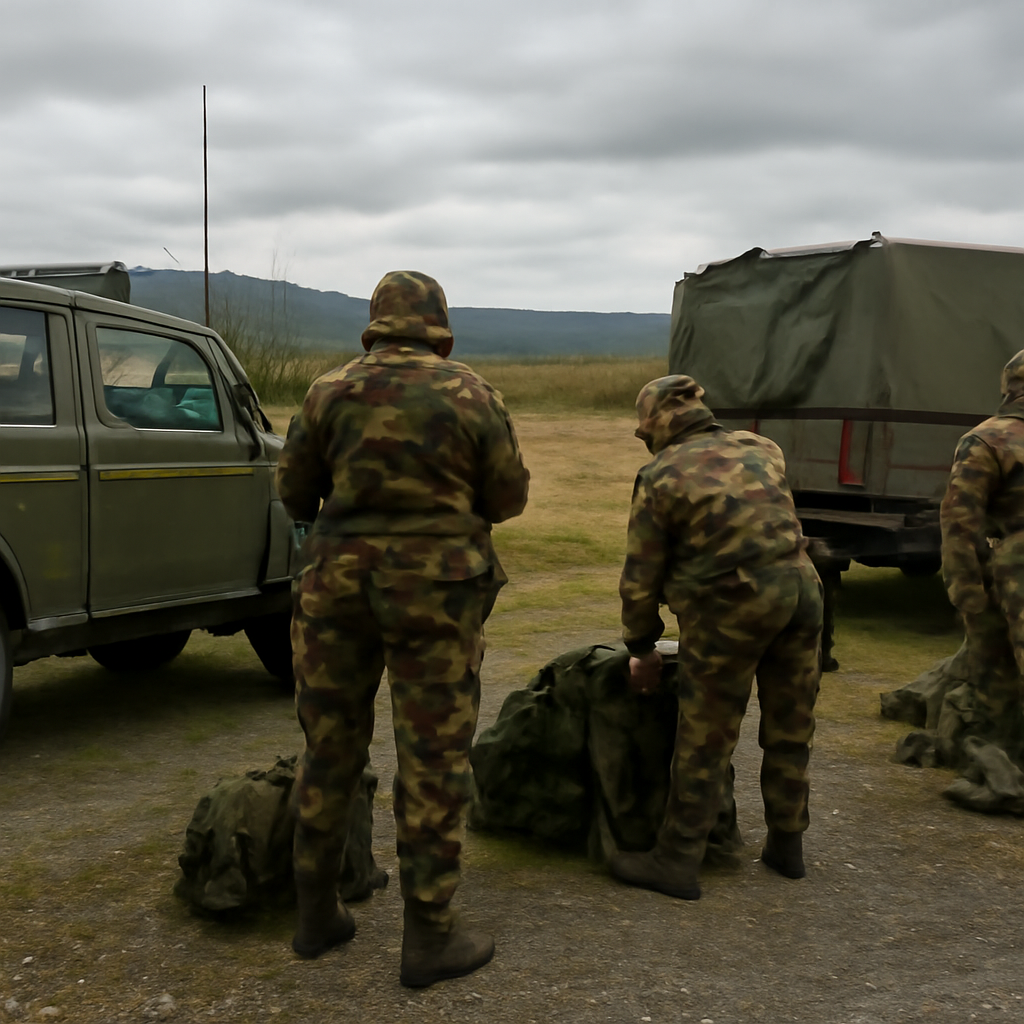
Defence Forces officers are being asked to work overtime for rates as low as €4 an hour, according to delegates at the annual conference of the Representative Association of Commissioned Officers (Raco). The dispute has renewed pressure on the Government to address pay, pensions and recruitment difficulties across Ireland’s military.
Key facts in this Breaking News Ireland story
- Raco delegates unanimously backed a motion linking security duty allowances to the national minimum wage.
- The proposed change could increase some allowances by 66 per cent.
- About 50 senior officers have reportedly worked additional duties without receiving overtime payments.
- Cadet starting pay of approximately €25,000 was also criticised.
- Defence Forces personnel numbers have risen for 17 consecutive months, passing 8,000 for the first time since 2023.
Why Defence Forces overtime pay is under scrutiny
Security duty allowances are used to compensate personnel for additional work, but Raco says some officers are effectively receiving far less than the national minimum wage when the payment is calculated by the hour.
Raco president Lieutenant Colonel Martin Ryan told the conference that the fact the allowances must be linked to the minimum wage highlighted the scale of the problem. In most occupations, overtime payments are connected to an employee’s normal rate of pay. Raco argues that Defence Forces personnel should not be treated differently when carrying out extra duties.
The union’s motion calls for the allowance system to be changed so that payments reflect the national minimum wage. Raco says that would result in increases of up to 66 per cent in some cases.
Senior officers working without additional payment
The conference also heard that around 50 of the Defence Forces’ most senior officers have not received overtime payments despite being rostered for extra duties during Ireland’s presidency of the European Union.
Raco general secretary Lieutenant Colonel Conor King said officers should either be paid for additional work or not be required to perform it. The issue is expected to be raised directly with Minister for Defence Helen McEntee when she addresses the conference.
The dispute follows a European Court of Justice ruling earlier in the year involving Raco and the Permanent Defence Force Other Ranks Representative Association. The case concerned working conditions, including pay for hours worked, overtime and public holidays.
Recruitment and retention remain major concerns
The overtime dispute is part of a wider challenge facing the Irish Defence Forces. Chief of Staff Lieutenant General Rossa Mulcahy told delegates that personnel numbers had improved, with 17 consecutive months of growth bringing the total above 8,000.
That figure is still below the level needed to resolve concerns about staffing, however. Delegates said more than half of the first Army cadet class to join after pension changes introduced in 2013 had already left. One officer warned that others could be considering their options.
Air Corps representatives also raised concerns about potential departures when recruits reach the end of their initial 12-year contracts. Retaining trained personnel is particularly important because military careers involve substantial investment in specialist education, operational preparation and leadership development.
Cadet pay and pension changes
Cadet starting pay of about €25,000 was another central issue at the conference. Raco representatives questioned whether raising the recruitment age limit to 39 would make a meaningful difference if the entry salary remained at that level.
Some applicants can instead join as enlisted personnel, earning approximately €45,000, and transfer to cadet training after six months. Raco says this creates an inefficient pathway in which people doing similar training may receive significantly different salaries.
The union is also seeking the restoration of a supplementary pension arrangement removed in 2013. The previous system helped bridge the period between retirement from the Defence Forces and eligibility for the State pension. That gap now lasts four years, prompting some personnel to leave earlier so they can establish a second career while they remain able to work.
What happens next?
Raco is expected to raise the overtime and pension issues with Minister McEntee and write to the Department of Defence after the conference. The union hopes the matters can be addressed through public-sector pay negotiations.
The Government has not announced a decision on the requested changes. The Department of Defence has indicated that discussions continue at European Union level about possible support for Lebanon, where Irish Defence Forces personnel have served with Unifil for almost five decades. It said no decision has yet been made about the nature or scale of any future Irish contribution.
Frequently asked questions
How much are some Defence Forces officers earning for overtime?
Raco says some officers are effectively receiving as little as €4 an hour for additional duties.
What change is Raco seeking?
The union wants security duty allowances to be linked to the national minimum wage, which it says could increase some payments by 66 per cent.
Why is cadet pay controversial?
Cadet starting pay is approximately €25,000, while someone joining as an enlisted private may earn about €45,000 before transferring to cadet training.
Has the Government decided on a response?
No final response has been announced. Raco expects to raise the issue with the Minister for Defence and during public-sector pay discussions.
Why this matters for Ireland
The dispute affects more than military pay. Recruitment and retention problems can influence Ireland’s ability to maintain domestic security duties, overseas peacekeeping commitments and specialist operational capacity.
The latest development places pressure on the Government to provide a clear response on overtime, pensions and entry-level pay. For Defence Forces personnel, the central question is whether additional responsibilities will be matched by fair compensation and sustainable career conditions.
The key takeaway from this Breaking News Ireland story is clear: Raco says Defence Forces personnel cannot be expected to carry out vital extra duties on allowances that fall far below the national minimum wage, while recruitment and pension concerns remain unresolved.