

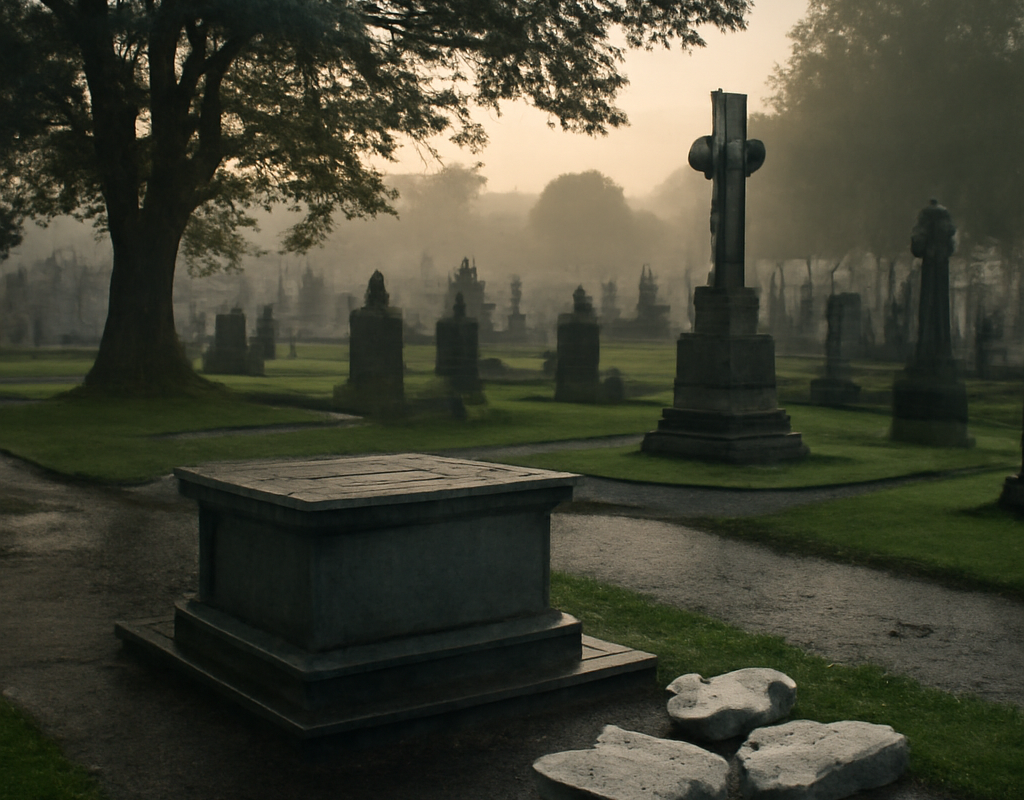
A controversial memorial at Sligo Cemetery was dismantled overnight on Friday, bringing down a 4.5-metre structure that had become the focus of a planning investigation and a wider debate about equality in cemetery regulations.
The white marble statues and supporting plinth at the grave of Willie McGinley were removed approximately two weeks after the monument was erected. The operation also damaged the top of the 23-year-old’s headstone.
What happened at Sligo Cemetery?
Three marble groupings—a depiction of the Holy Family, along with statues of St Michael and St Gabriel—were taken down with the large supporting structure surrounding McGinley’s grave. The removal took place during overnight works on Friday.
Gardaí were believed to have maintained a presence at the cemetery while the work was carried out. Sligo County Council has been contacted for comment and is examining how the memorial was installed without what officials consider to be full planning permission.
- The memorial stood about 4.5 metres above ground level.
- It included three white marble religious statues and a supporting plinth.
- The structure was dismantled overnight on Friday.
- The top of the existing headstone was damaged during removal.
- Sligo County Council is investigating the planning position.
Why was the memorial removed?
The central issue is the height of the monument. Sligo Cemetery’s 2009 bylaws state that a headstone on a triple plot must not exceed 1.53 metres above ground level. The McGinley memorial was approximately three times that height.
That difference prompted questions about whether the structure had received the permissions required under local rules. The council’s investigation is focused on how the monument was erected and whether the relevant planning and cemetery requirements were followed.
The case has attracted attention because cemetery regulations are intended to apply consistently to all families. Some people visiting the cemetery said they had previously been restricted in the size of memorials they could install and believed the same standards should apply in this case.
Estimated cost of the structure
An industry estimate put the total cost of the memorial between €180,000 and €230,000, with the statues alone estimated at about €90,000. Those figures have not been presented as an official valuation.
Family says memorial was not organised by them
Teague McGinley, speaking on the second anniversary of his son’s death, said the family did not organise or finance the memorial. He said relatives and supporters from Ireland, Britain, Scotland and the United States contributed to the project.
He also said the family had not known the memorial was being installed and that a large headstone had been associated with his son’s wishes. His comments highlighted the distance between the family’s understanding of the project and the planning concerns now being examined by the local authority.
The dismantling has therefore left both a practical and emotional dispute. While the council’s investigation concerns permissions and regulations, the removal directly affected a family grave and resulted in visible damage to the headstone.
For further Ireland News and developing public affairs coverage, visit DailyDigest.ie.
Reaction from local representatives and cemetery visitors
Sinn Féin councillor Arthur Gibbons said the memorial’s removal was justified because planning requirements must apply to every grave. He argued that a structure of this scale created an unequal situation for families who had followed the cemetery’s limits.
Other cemetery visitors expressed similar views, while acknowledging the personal significance of the grave. One visitor said families should not be allowed larger memorials when others had been refused permission. Another said the development would produce mixed reactions because the site remained someone’s grave.
The response illustrates the sensitive balance involved in cemetery enforcement. Authorities must protect consistent standards, but any intervention at a family grave also carries significant emotional and practical consequences.
What happens next?
Sligo County Council’s investigation is the next formal step. The authority is expected to establish how the memorial was erected, what permissions were sought, and whether any further action is required under planning or cemetery rules.
Questions may also arise over the condition of the remaining headstone, responsibility for the removal works and how the grave will be restored. No final findings have been reported in the information currently available.
Frequently asked questions
How tall was the Sligo Cemetery memorial?
The structure stood at approximately 4.5 metres above ground level.
What was removed?
Three white marble statues and the supporting plinth were dismantled. The top of the existing headstone was also damaged during the operation.
What do the cemetery rules say?
Sligo’s 2009 cemetery bylaws state that a headstone on a triple plot should not exceed 1.53 metres above ground level.
Who is investigating?
Sligo County Council is investigating how the memorial was erected and the planning permissions associated with it. Gardaí were believed to have been present during the removal.
Why this story matters
The Sligo memorial dispute is more than a question about one structure. It raises broader issues about planning enforcement, cemetery management, equality between families and the protection of graves during remedial works.
For now, the confirmed development is that the memorial has been dismantled. The council’s investigation will determine the next stage, while the family faces the consequences of a removal they say they did not arrange or expect.
The key takeaway from this Breaking News Ireland story is clear: cemetery rules apply to every grave, but enforcement must also account for the dignity, condition and emotional importance of the site affected.