


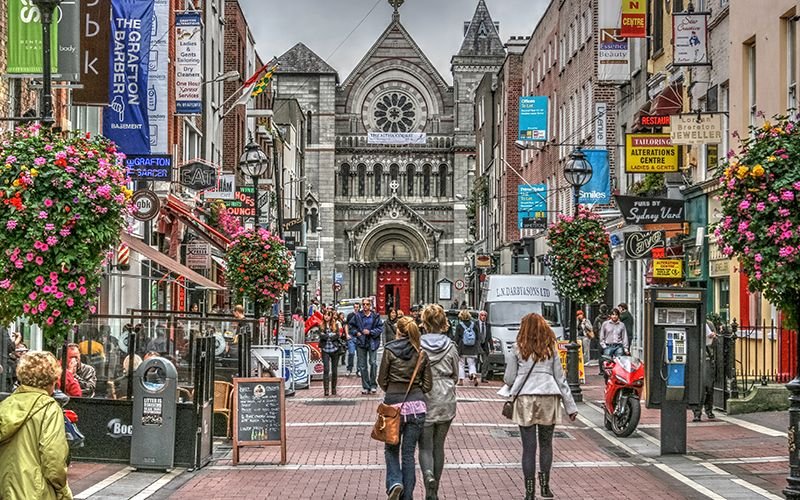
Ireland rewards anyone who explores it on foot. From medieval lanes to revolutionary landmarks, the best way to understand the country’s past is often through its streets, squares, prisons, pubs, and public buildings. For readers of Irish Around World who want more than postcard scenery, walking through historic districts offers a direct route into the stories that shaped modern Ireland.
For history-minded travelers, this approach also answers a bigger question about what is the craic in Ireland beyond nightlife: it’s the blend of storytelling, local knowledge, architecture, and atmosphere that turns a simple city walk into a living lesson in Irish culture and craic. Add in stops linked to places to visit in Ireland, irish hidden gems, and a practical living in Ireland guide mindset, and these tours become essential experiences.
Why Irish Around World readers should explore history on foot
Ireland’s history is complex, shaped by Viking settlement, Norman influence, British rule, famine, rebellion, partition, and peace-building. Museums and heritage sites remain important, but guided walks can connect those eras in a way that feels immediate and human.
- They bring context to famous landmarks
- They reveal stories behind ordinary streets
- They often include local insights you won’t get from signs alone
- They fit naturally into an ireland travel bucket list or irish road trips plan
Weather is always a factor, of course, so pack layers and waterproofs. A sudden shower is practically part of the experience, and a little irish weather humor helps.
Dublin: where Ireland’s major turning points come alive
Dublin is the natural starting point for anyone tracing the national story. Historical walking tours in the capital typically cover the city’s evolution, the influence of the American and French Revolutions, the Great Hunger, the 1916 Rising, the War of Independence, partition, and the road to peace in Northern Ireland.
Along the way, visitors can expect to encounter major sites such as Trinity College, the old Parliament area, Temple Bar, City Hall, Dublin Castle, Wood Quay, Christ Church Cathedral, and the Four Courts. For Irish Around World readers, Dublin delivers one of the strongest introductions to both political history and daily life in Ireland.
Must-see historical stops in Dublin
Trinity College Dublin is often associated with the Book of Kells, but the Long Room is equally unforgettable. The college itself, founded in the late 16th century, is packed with stories that reflect Ireland’s educational, cultural, and political development.
Kilmainham Gaol is another essential stop. The former prison is one of the most important sites in Irish nationalist history, especially because of its connection to the executions that followed the 1916 Easter Rising. A visit here adds emotional depth to any broader understanding of modern Ireland.
Read more: best pubs in Dublin | wild Atlantic Way tips
Galway: medieval streets and strong local character
Galway is often described as Ireland’s cultural capital, and it’s easy to see why. Compact, walkable, and full of character, the city blends medieval heritage with a lively modern spirit. Historical tours here commonly include Eyre Square, the old town walls, Lynch’s Castle, and the Spanish Arch, which recalls Galway’s long trading links with Spain.
Some tours also stop at landmark pubs, reinforcing how social spaces are woven into the city’s identity. For travelers interested in traditional irish music sessions, irish festivals and events, and modern Irish culture, Galway offers a particularly rich mix.
Cork: a proud city with layers of history
Cork should never be treated as an afterthought. The city center is manageable on foot, and walking tours make it easier to follow the story from early monastic origins through Viking and Norman periods and into the development of the modern city.
Many visitors are struck first by local pride, but that pride is rooted in a distinct civic identity and long history. Depending on the route, Cork tours may focus on:
- The city’s foundation and early growth
- Medieval Cork and its changing power structures
- The shift from historic core to modern urban center
For Irish Around World audiences planning irish road trip itinerary ideas, Cork is a rewarding stop that combines history, food, and strong local atmosphere.
Explore more: places to visit in Ireland | irish road trip itinerary
Belfast: architecture, memory, and social history
Belfast has become one of the most compelling urban destinations on the island. Walking tours here often balance the city’s Victorian architecture with the more recent history of conflict and recovery. Routes may include City Hall, Donegall Place, Castle Lane, the River Lagan, and the Albert Clock.
Other tours examine murals and neighborhoods connected to the Troubles. These can be thought-provoking, though visitors should remember that interpretation may vary depending on the guide’s background and perspective. For some, historical pub tours offer another window into Belfast’s past, linking famous venues to the city’s social life over generations.
Why these walks matter
For Irish Around World readers, historic walking tours do more than fill an afternoon. They turn Ireland’s past into something tangible, helping visitors connect major national events with the streets where people lived them. Whether you begin in Dublin, wander medieval Galway, discover proud Cork, or explore layered Belfast, walking is one of the smartest ways to understand the island.
The takeaway is simple: if you want a deeper travel experience, make time for guided history walks. They reveal the real texture of Ireland and show why Irish Around World stories resonate so strongly with the global Irish community, heritage travelers, and anyone curious about the nation behind the legends.