


The World Cup 2026 is delivering drama on and off the pitch, but one issue is quickly dominating the conversation: VAR consistency. As the FIFA World Cup 2026 unfolds across North America, a series of contentious calls has left players, coaches and supporters questioning where the intervention line really sits.
From penalty appeals to disputed goals, the pattern emerging in the Football World Cup 2026 is not simply about mistakes. It is about uncertainty. Fans can accept tough decisions more easily than unpredictable standards, and that is becoming a defining subplot of this tournament.
World Cup 2026 VAR Decisions Under the Spotlight
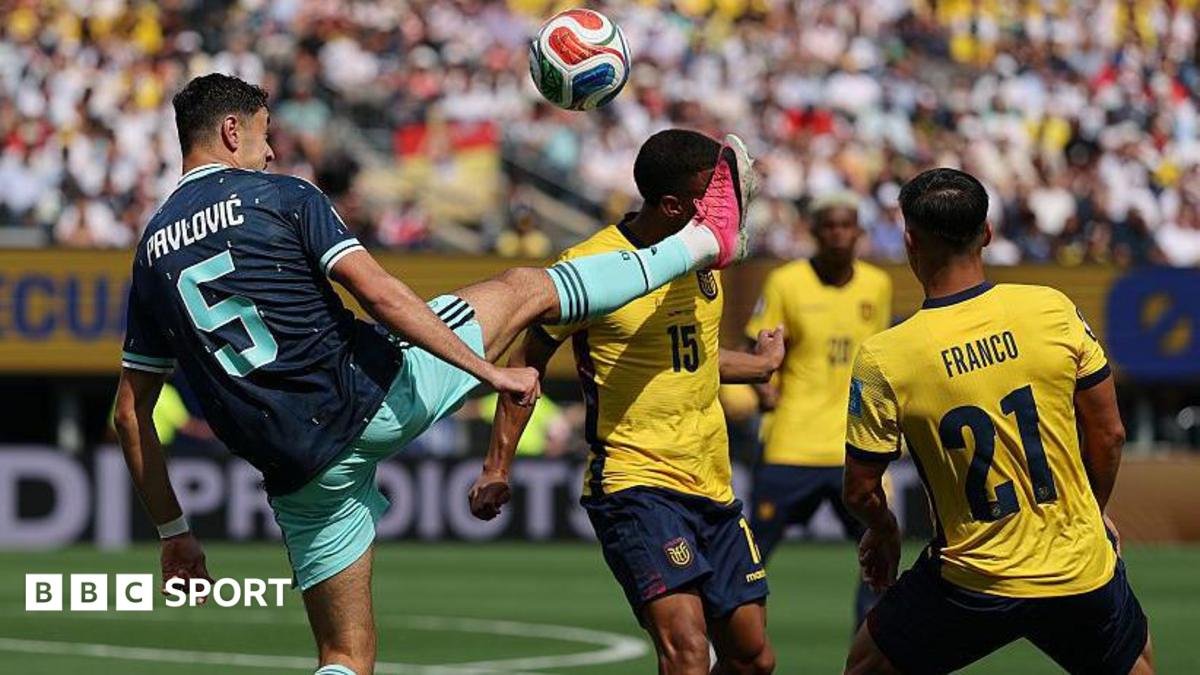
Several major incidents have fuelled the debate. Ghana were denied a penalty against England after a clumsy challenge in the box, with no review recommended. Brazil then saw a goal ruled out against Scotland after contact that many observers felt did not meet the threshold for intervention. Germany’s early goal against Ecuador also stood despite a high boot in the build-up, prompting strong criticism from pundits.
What makes the issue sharper is that similar moments are being judged differently within the same week. That inconsistency creates frustration not only for neutral viewers, but also for teams trying to navigate the World Cup 2026 schedule and the pressure of every group-stage point.
Why the 48 Team World Cup Makes Consistency Even More Important
The expanded 48 team World Cup format already places extra scrutiny on officiating. With more matches, more nations and tighter margins in the World Cup 2026 groups, referees and video officials are under constant pressure to apply the same bar in every stadium.
Fifa’s refereeing approach appears to favour game flow and physical contact, but that philosophy only works when on-field decisions are strong and VAR intervention is clear. Right now, the World Cup 2026 format is exposing how difficult that balance can be.
Key concerns being raised
- Different interpretations of similar fouls
- Unclear threshold for overturning decisions
- Confusion around subjective calls in the penalty area
- Growing perception that bigger teams benefit from marginal calls
What It Means for Teams and Fans
For supporters tracking the World Cup 2026 fixtures, standings and knockout race, officiating has become almost as important as tactics. Teams preparing for the World Cup 2026 knockout stage need confidence that major moments will be judged consistently, whether in the World Cup 2026 opening match or the World Cup 2026 final.
With the World Cup 2026 host countries staging matches across multiple cities, Fifa will want the conversation to focus on football, not refereeing. Yet unless consistency improves, VAR will remain central to the tournament narrative.
The takeaway is simple: the World Cup 2026 does not have a VAR problem because officials are intervening too much or too little. It has a problem because nobody is fully sure when intervention is coming. —- Image Courtesy: BBC