


The group phase is over, and World Cup 2026 has already delivered the kind of drama that justifies its expanded stage. Records have fallen, surprise qualifiers have emerged, and several of the competition’s biggest names have carried their form into the business end. Now the event enters a sharper, less forgiving phase: one result, one night, and no margin for error.
With 72 matches completed, the knockout bracket gives the FIFA World Cup 2026 a fresh pulse. It is why many coaches and analysts have described this edition as two tournaments in one. The league-style opening tested depth, adaptability and nerve. The elimination rounds will instead reward control, timing and star quality.
The knockout stage brings the sharpest edge
The expanded 48 team World Cup format created a hectic opening act, but the last-32 has restored a familiar sense of jeopardy. The World Cup 2026 knockout stage now offers a compelling mix of traditional heavyweights, rising challengers and first-time dreamers.
- England meet DR Congo in a tie that will be watched closely across Europe.
- Brazil face Japan in one of the most tactically intriguing contests.
- Netherlands v Morocco looks like a genuine upset opportunity.
- Portugal v Croatia carries the emotion of a likely final World Cup chapter for veteran icons.
The appeal of this round is not only in the elite names. Canada, South Africa and Cape Verde have added freshness to the bracket, proving that the World Cup 2026 teams still include room for surprise and momentum.
Read more: explore matchday analysis and global sports updates?utm_source=dailydigestpost
Standout ties and defining subplots
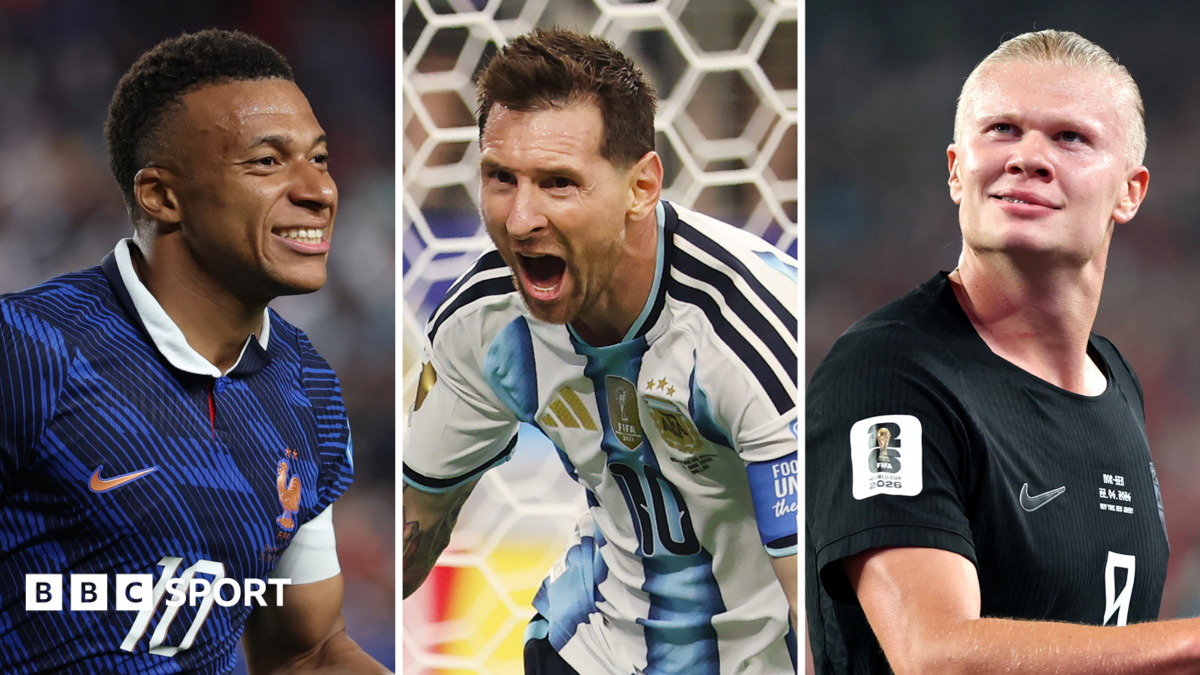
Several fixtures go beyond simple bracket movement. France against Sweden offers a duel between attacking depth and defensive organisation. Norway’s route depends heavily on Erling Haaland, while Argentina continue to lean on Lionel Messi’s enduring influence. Kylian Mbappe remains central to France’s ambitions, ensuring the race for goals remains one of the defining themes of the Football World Cup 2026.
The World Cup 2026 schedule has also created sharp contrasts in atmosphere and rhythm, from family-friendly afternoon kick-offs to late-night clashes for audiences following on World Cup 2026 UK time and World Cup 2026 Ireland time. For supporters planning ahead, interest in the World Cup 2026 fixtures, potential quarter-final paths and the long road to the World Cup 2026 final will now intensify.
Explore: the latest media, broadcast and viewing insights?utm_source=dailydigestpost
Why this phase changes everything
Knockout football strips away comfort. Group-stage recovery is no longer available, and one tactical error can end a campaign. That makes squad management, game-state control and finishing quality far more decisive than they were a week ago.
- Elite forwards become even more valuable.
- Set-pieces often swing tight contests.
- Defensive concentration matters more than possession totals.
That is the true attraction of World Cup 2026 at this point: every tie now carries consequence, legacy and immediate pressure.
Read more: explore travel, culture and destination features?utm_source=dailydigestpost
What to watch as the bracket narrows
The next few days will shape how this tournament is remembered. Will the favourites justify their billing? Can the outsiders stretch their stories one round further? And which superstar will take ownership of the moment? As the World Cup 2026 moves deeper into the knockout rounds, the answers will come quickly. The clear takeaway is simple: the competition has reset, and from here every match feels like a final in miniature.
Article/Image Courtesy: BBC