


The World Cup 2026 was designed to feel bigger, broader and more inclusive, and the early evidence suggests it has achieved exactly that. Yet as the group phase gave way to the knockout football, a more complicated verdict emerged: the competition has produced fresh narratives and new nations on the global stage, but it has also raised real questions about tension, balance and competitive fairness.
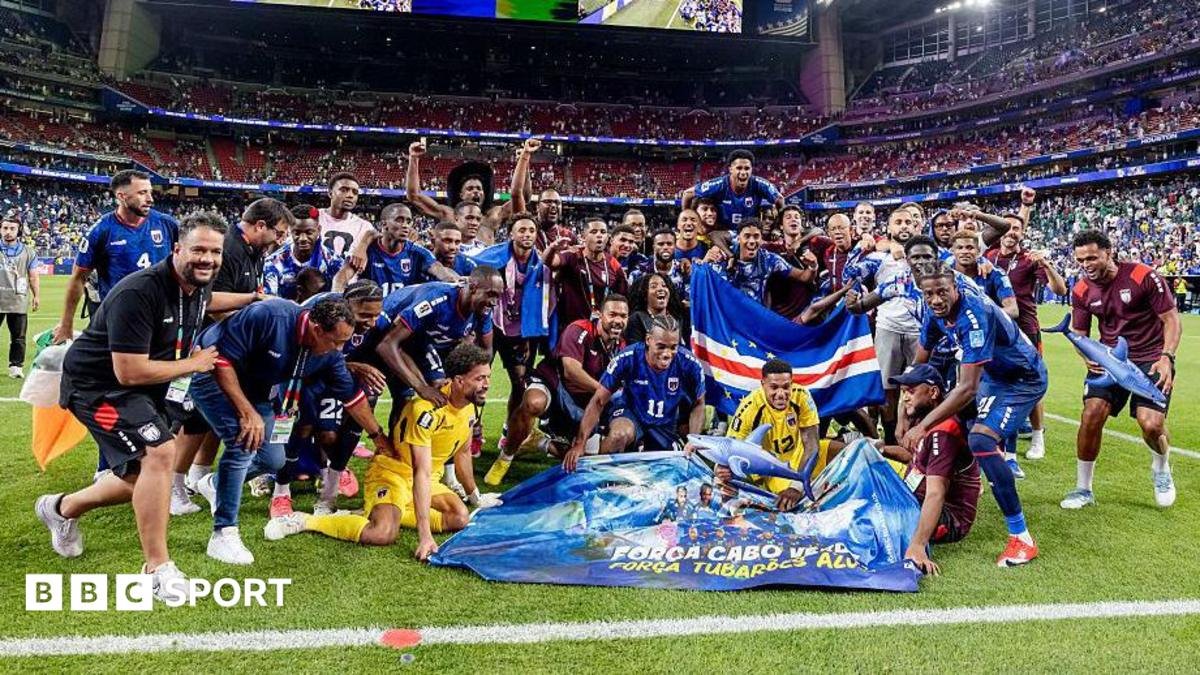
One storyline stood above the rest. Cape Verde’s unexpected progress captured the imagination of supporters everywhere, offering a vivid example of what the 48-team model can deliver. In a tournament often dominated by traditional powers, their rise gave the FIFA World Cup 2026 a sense of discovery that only football’s biggest event can create.
What the bigger format has added
The expanded World Cup 2026 format has unquestionably opened doors. More nations arrived believing they could matter, and a handful did exactly that.
- Cape Verde reached the knockout rounds against the odds
- Canada advanced beyond the group stage for the first time
- Several emerging nations gained valuable exposure on the biggest stage
- African teams, in particular, showed depth and resilience
That matters for the wider health of the game. A 48 team World Cup was always sold as an opportunity to globalise elite competition, and stories like these strengthen that argument. The growing diversity among the World Cup 2026 teams has added freshness to the tournament and broadened interest across continents.
Read more: A complete host cities guide for travelling supporters
Why the group stage has drawn criticism
For all the colour and novelty, the group phase often lacked true jeopardy. Too many leading nations looked comfortable too early, with several group winners effectively secure before the final round of games. That dulled the edge of what should be one of the most gripping parts of the Football World Cup 2026.
The structure has been a central issue. With third-placed sides still alive, caution became a viable strategy rather than a dangerous one. The result was a first phase that occasionally felt more like filtration than fierce competition. Debate around the World Cup 2026 groups, the third-place route and tiebreak systems is only likely to intensify as analysts assess whether the setup rewards ambition or merely survival.
Explore: How major tournaments are changing for global TV audiences
What it means for the road ahead
Now that the World Cup 2026 knockout stage is under way, the competition enters its natural high-pressure environment. This is where elite football sharpens, where margins narrow and where format debates are tested against genuine drama.
Supporters tracking the World Cup 2026 schedule, World Cup 2026 fixtures and likely pathways to the World Cup 2026 final will still feel the scale of the event. But organisers may need to reflect on whether the opening chapter delivered enough meaningful risk for the biggest teams.
Read more: Smart travel planning tips for major international events
The verdict so far
The World Cup 2026 has delivered both validation and warning. It has created memorable underdog moments, expanded representation and added new energy to the world game. At the same time, it has exposed structural flaws that can flatten the group stage and reduce urgency. The clearest takeaway is this: the World Cup 2026 is richer for its wider cast, but the tournament’s long-term success may depend on refining how those opening rounds work.
Article/Image Courtesy: BBC