


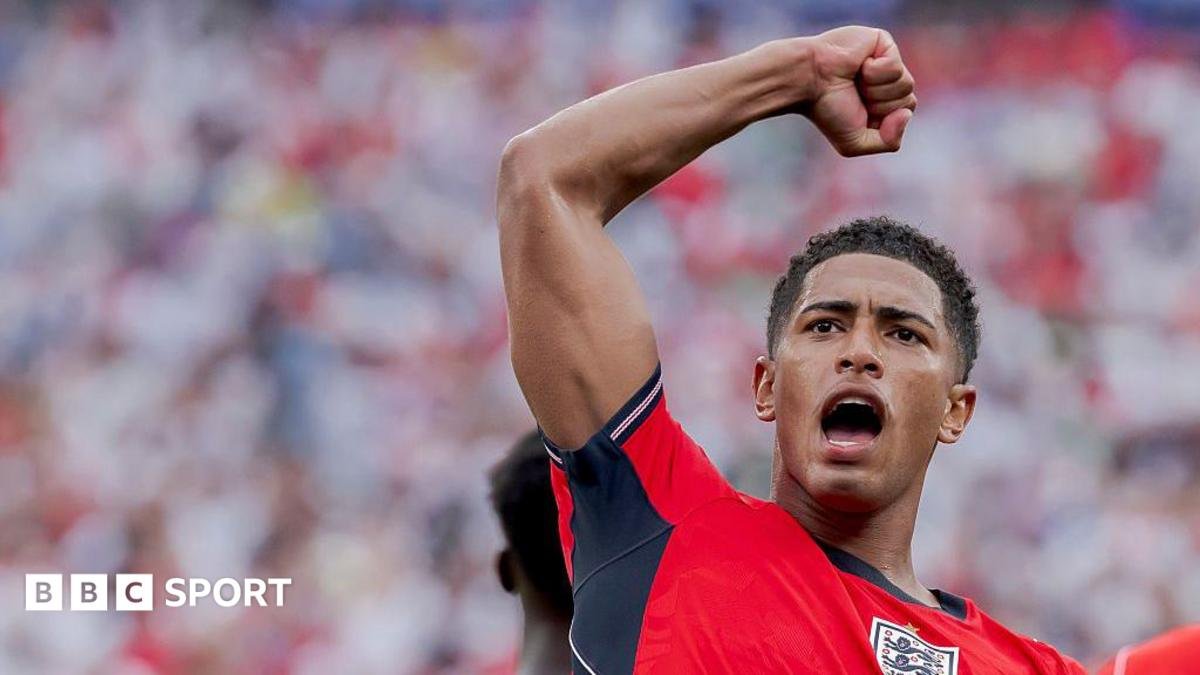
England’s latest win offered more than a clean result; it revealed how one elite all-round midfielder can hold a tactical plan together. As attention builds around the World Cup 2026, Jude Bellingham’s display against Panama showed why Thomas Tuchel’s England may have found a formula built for knockout football.
Rather than simply starring in attack, Bellingham blended discipline, invention and intensity. That balance could shape England’s route through the FIFA World Cup 2026, especially as bigger tests arrive and squad injuries force tactical adjustment.
How Bellingham held England’s structure together
With Declan Rice absent and changes at full-back, England altered their build-up shape. Tuchel’s side moved between a back-three possession structure and a more aggressive attacking line, asking Bellingham to do two demanding jobs at once:
- Support midfield circulation in deeper areas
- Join advanced attacks as a floating number 10
- Help England counter-press immediately after turnovers
- Cover defensive spaces during transitions
That tactical flexibility mattered. England wanted central combinations without losing their threat in wide areas, and Bellingham became the link. He accepted pressure in tight pockets, earned fouls when needed and redirected play into space instead of forcing low-percentage passes.
Read more: England’s evolving tournament identity
England’s attacking tweak changed the match
The first half exposed some risk in England’s central play. Panama threatened on the break, and England occasionally lost control. After the interval, Bellingham operated higher up the pitch, and the effect was immediate.
His movement into the channels stretched defenders and created the exact spaces Tuchel wanted his side to attack. Rashford’s deeper receiving position pulled Panama’s shape around, while Bellingham’s diagonal runs attacked the exposed lane behind the wing-back. That pattern directly influenced England’s decisive moments, including the move that led to Harry Kane’s goal.
For a team already being discussed in relation to the World Cup 2026 schedule, this was a useful glimpse of how adaptability may become as important as star power.
Explore: Inside modern football’s tactical shifts
Why this matters for England’s bigger ambitions
Tuchel’s approach is not always flashy, but it looks tailored to tournament football: control the ball, compress space after losing it and strike vertically when openings appear. In that framework, Bellingham is uniquely valuable because he can solve multiple problems within the same match.
That makes him central not only to England’s immediate hopes, but also to wider conversations around the World Cup 2026 fixtures, the likely World Cup 2026 knockout stage and how leading contenders will manage fine tactical margins.
Read more: The psychology of winning big tournaments
The key takeaway
Bellingham did not just influence the game; he gave England tactical elasticity, defensive recovery and attacking thrust in one performance. If England are to go deep at the World Cup 2026, performances like this will matter as much as any headline goal or standout result.
Explore: What separates title-winning football sides
Article/Image Courtesy: BBC