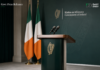
Ireland is using its upcoming turn at the head of the European Union to push a clear economic agenda: stronger competitiveness, better support for business, and more focus on jobs and tourism. In the latest business news Ireland readers should watch, Minister Peter Burke has outlined priorities that connect the EU presidency directly to growth, investment and practical support for companies operating across the Irish economy.
The plan sets out how Ireland intends to use the presidency to shape policy discussions around enterprise, employment and tourism at a critical moment for Europe. With inflation pressures, global competition and changing trade dynamics still influencing the ireland economy, the government is positioning the presidency as both a diplomatic responsibility and an economic opportunity.
Ireland’s priorities for the EU presidency
Minister Burke’s agenda is centred on areas that matter to both policymakers and employers. The broad aim is to make Europe more competitive while ensuring that Irish firms, workers and key sectors can benefit from a more resilient single market.
The headline priorities include:
- Supporting enterprise growth and innovation
- Strengthening employment opportunities and labour market resilience
- Promoting tourism as a key economic driver
- Improving Europe’s competitiveness in a changing global environment
- Backing policies that help businesses scale and invest
That matters for anyone following ireland business news because EU-level decisions often shape regulation, funding frameworks, labour mobility and market access for companies based in Ireland.
Why competitiveness is at the centre
Competitiveness has become one of the defining issues for European governments. For Ireland, the concern is straightforward: if Europe becomes less attractive for investment, innovation and manufacturing, the effects will be felt across exports, jobs and regional development. That is especially relevant in sectors tied to ireland finance news, advanced services, tourism, digital commerce and high-value industry.
Burke’s focus suggests Ireland wants the presidency to help move practical discussions forward, rather than simply frame broad political goals. That could include work on reducing barriers to business, encouraging investment and making the EU a better place for firms to grow.
Read more: irish startups facing a new growth challenge | sme ireland leaders prepare for a tougher trading environment
What it means for jobs, tourism and enterprise
The emphasis on employment points to a broader policy challenge. Across Europe, governments are balancing skills shortages, productivity concerns and changing workplace expectations. For Ireland, that links directly to the ireland jobs market and the need to support sectors that can deliver stable long-term employment.
Tourism is also a strategic inclusion. It remains a major contributor to regional economies, hospitality activity and local employment. By elevating tourism during the presidency, Ireland appears keen to ensure the sector has a stronger voice in EU discussions on recovery, sustainability and cross-border travel.
For businesses, the significance lies in how these themes come together. A stronger enterprise base, better labour conditions and healthy visitor demand all contribute to broader ireland business growth.
A signal to investors and employers
The presidency agenda also sends a message beyond Brussels. It tells investors, employers and trade partners that Ireland wants to be seen as a constructive voice on economic reform. In a period shaped by energy costs, interest-rate sensitivity and slower consumer demand, that kind of policy clarity matters.
For those tracking ireland market news, the underlying takeaway is that Ireland is aligning its EU leadership role with domestic priorities: more resilient firms, better quality jobs and stronger sectoral performance.
Explore more: funding shifts are reshaping how founders plan growth | workplace culture trends changing how teams perform
Why this matters for the Irish economy
Ireland’s EU presidency will not solve every structural challenge on its own, but it gives the government a high-profile platform to influence direction. For the irish economy, that creates an opening to champion policies that support trade, investment and enterprise confidence while keeping jobs and tourism firmly in view.
It also reinforces how closely national economic priorities are tied to European decision-making. From small business conditions to cross-border growth opportunities, the presidency can affect the broader environment in which Irish companies operate.
FAQ
What did Minister Peter Burke announce?
He set out Ireland’s priorities for its upcoming EU presidency, with a focus on enterprise, tourism, employment and competitiveness.
Why is this important for Irish businesses?
EU policy influences market access, regulation, investment conditions and labour issues, making it highly relevant to companies across Ireland.
How could tourism benefit?
Tourism may gain greater policy attention at EU level, which could support recovery, sustainability planning and regional business activity.
What is the main takeaway for readers following business news Ireland?
Ireland plans to use its EU leadership role to push practical economic priorities that could support growth, jobs and long-term competitiveness.
Conclusion
The real significance of this announcement is not ceremonial. It is about how Ireland intends to use a major European platform to back enterprise, strengthen employment and keep tourism high on the agenda. For readers following business news Ireland, the presidency is shaping up as an important test of whether national priorities can be turned into wider economic influence across Europe.