


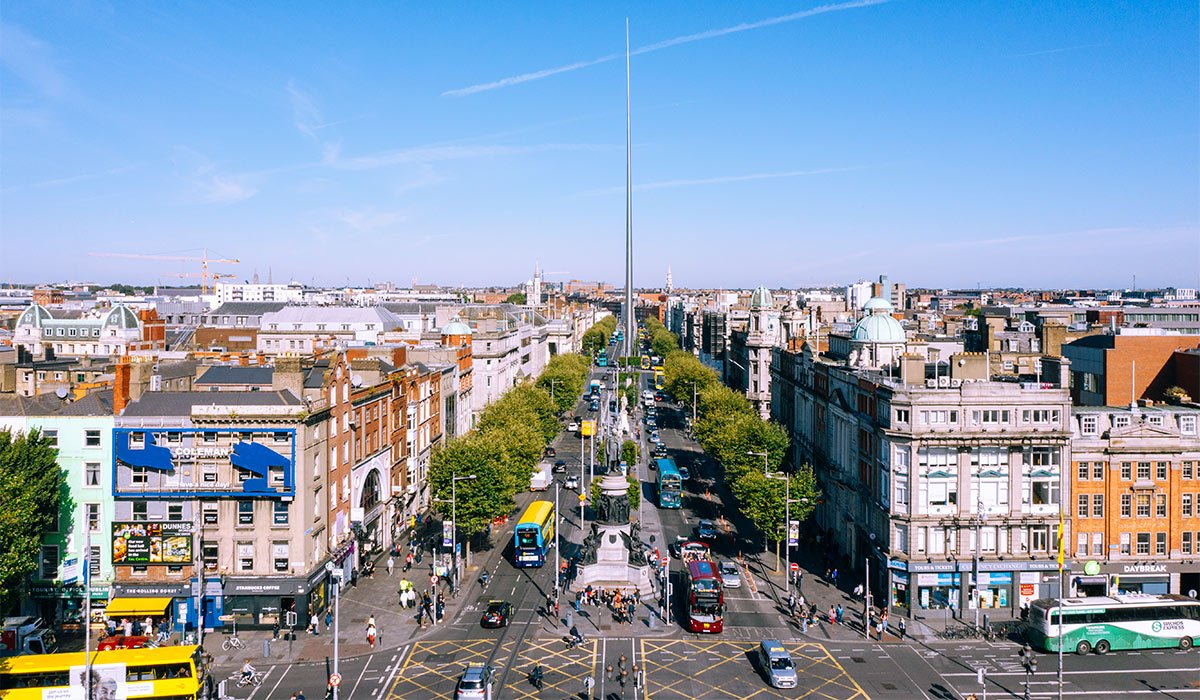
A fresh travel-guide warning about Dublin’s O’Connell Street has quickly become part of breaking news ireland conversations, reigniting debate about the capital’s image, safety and city-centre decline. The criticism, published by Lonely Planet and discussed publicly by author Fionn Davenport, has put one of Dublin’s best-known streets under an uncomfortable spotlight.
O’Connell Street remains one of the most recognisable locations in irish breaking news, thanks to its historic landmarks, central location and symbolic role in national life. But the latest assessment argues that visitors may also encounter visible neglect, anti-social behaviour and open drug use in nearby lanes, raising wider questions about how Dublin presents itself to tourists and residents alike.
Why O’Connell Street Is Back in the Spotlight
The travel guide did acknowledge the avenue’s historic importance, including its long-standing status as Dublin’s ceremonial heart. However, its overall picture was stark:
- A once-grand boulevard now seen by some as visibly worn down
- Concerns over partially derelict or underused buildings
- Reports of crime and public disorder damaging the visitor experience
- Claims that social problems are too obvious to ignore in a key tourism zone
These concerns echo issues often seen across latest news ireland, particularly around urban regeneration, policing, transport access and public safety in city centres.
What the Comments Mean for Dublin
Fionn Davenport stressed that the remarks were not intended to attack Dublin, but to honestly reflect what travellers might experience. That distinction matters. In ireland current affairs, tourism guides can shape international perception just as much as official campaigns do.
The criticism may intensify pressure on decision-makers to address long-running concerns linked to:
- Street safety and Garda visibility
- Vacant or deteriorating buildings
- Public realm investment and cleaning
- Support services for addiction and homelessness
For locals, the reaction is unlikely to come as a surprise. O’Connell Street has long featured in discussions tied to dublin news, ireland local news and ireland government news, especially when debates turn to regeneration plans that appear slow to deliver visible change.
What Happens Next?
The wider issue is not whether Dublin faces challenges—most major cities do. The real question is whether the capital can restore confidence in one of its most important public spaces. That will require more than cosmetic upgrades. It means coordinated action on safety, vacancy, cleanliness and long-term planning.
In summary, this story matters because it blends tourism, civic pride and public policy into one highly visible test for the capital. As breaking news ireland continues to track the fallout, O’Connell Street now stands as a symbol of both Dublin’s historic stature and the urgent need for renewal.