Introduction
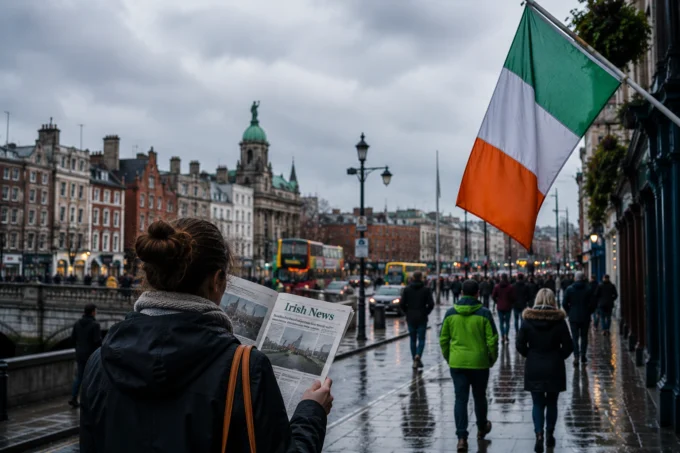
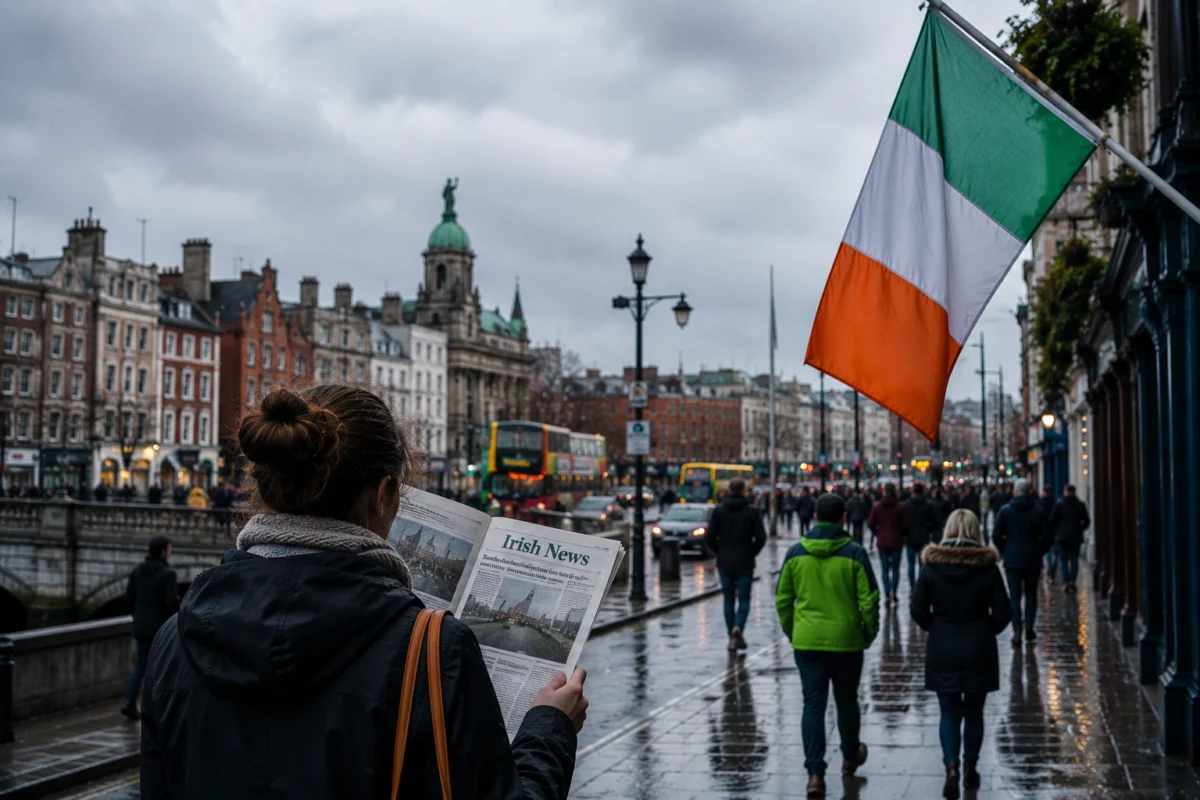
On November 21, 2026, a massive protest unfolded in Dublin as thousands of citizens gathered to advocate for the preservation of Ireland’s long-standing policy of neutrality. The event, marked by passionate speeches and a palpable sense of urgency, underscored a critical juncture in the nation’s foreign policy amidst increasing global tensions.
The Protest: A Show of Solidarity
The demonstration attracted a diverse crowd, including political figures, activists, and ordinary citizens, all united by a common cause. Participants waved placards and chanted slogans endorsing the importance of maintaining Ireland’s neutral stance in international conflicts. Many speakers emphasized that the country is at an “inflection point” regarding its foreign relations, urging the government to resist pressures to align more closely with military alliances.
More stories from our Govt Press Release desk · Govt Press Release
Key Messages from the Rally
- Preservation of Neutrality: Speakers highlighted that Irish neutrality has been a cornerstone of the nation’s identity and foreign policy for decades.
- Opposition to Militarization: Many protesters expressed concerns over the potential militarization of Ireland, arguing that joining military alliances could compromise the country’s sovereignty.
- Public Sentiment: The rally reflected widespread public sentiment against shifting away from neutrality, with many believing it to be essential for peace and stability.
Contextual Background
Ireland’s policy of neutrality has been a defining characteristic of its international relations since the mid-20th century. This approach has allowed the country to act as a mediator in global conflicts, fostering peace and dialogue. However, recent geopolitical developments, including rising tensions in Europe and calls for increased military cooperation, have led to debates within the government and among the public regarding the future of this policy.
Public Response and Political Implications
The protest in Dublin is indicative of broader public anxiety regarding the potential shift in Ireland’s foreign policy. Many citizens fear that aligning too closely with military powers might entangle Ireland in international disputes and jeopardize its long-standing commitment to peace. Political leaders are now faced with the challenge of addressing these concerns while navigating the complex landscape of international relations.
What’s Next?
As the debate over Irish neutrality continues, the government is expected to engage in discussions regarding the future of its foreign policy. Observers are keenly watching for any signs of policy shifts or formal statements from government officials regarding military alliances and international commitments. The outcome of these discussions could significantly impact Ireland’s role on the global stage.
Conclusion
The Dublin protest serves as a powerful reminder of the importance of public opinion in shaping national policies. As Ireland stands at this critical crossroads, the voices of its citizens will play a crucial role in determining the future of its neutrality and international relations.
Key Takeaways:
- Thousands rallied in Dublin to support Irish neutrality.
- The protest reflects public concern about potential militarization.
- Future discussions will shape Ireland’s foreign policy direction.
Article Tags: Irish neutrality, Dublin protest, foreign policy, military alliances, public sentiment