


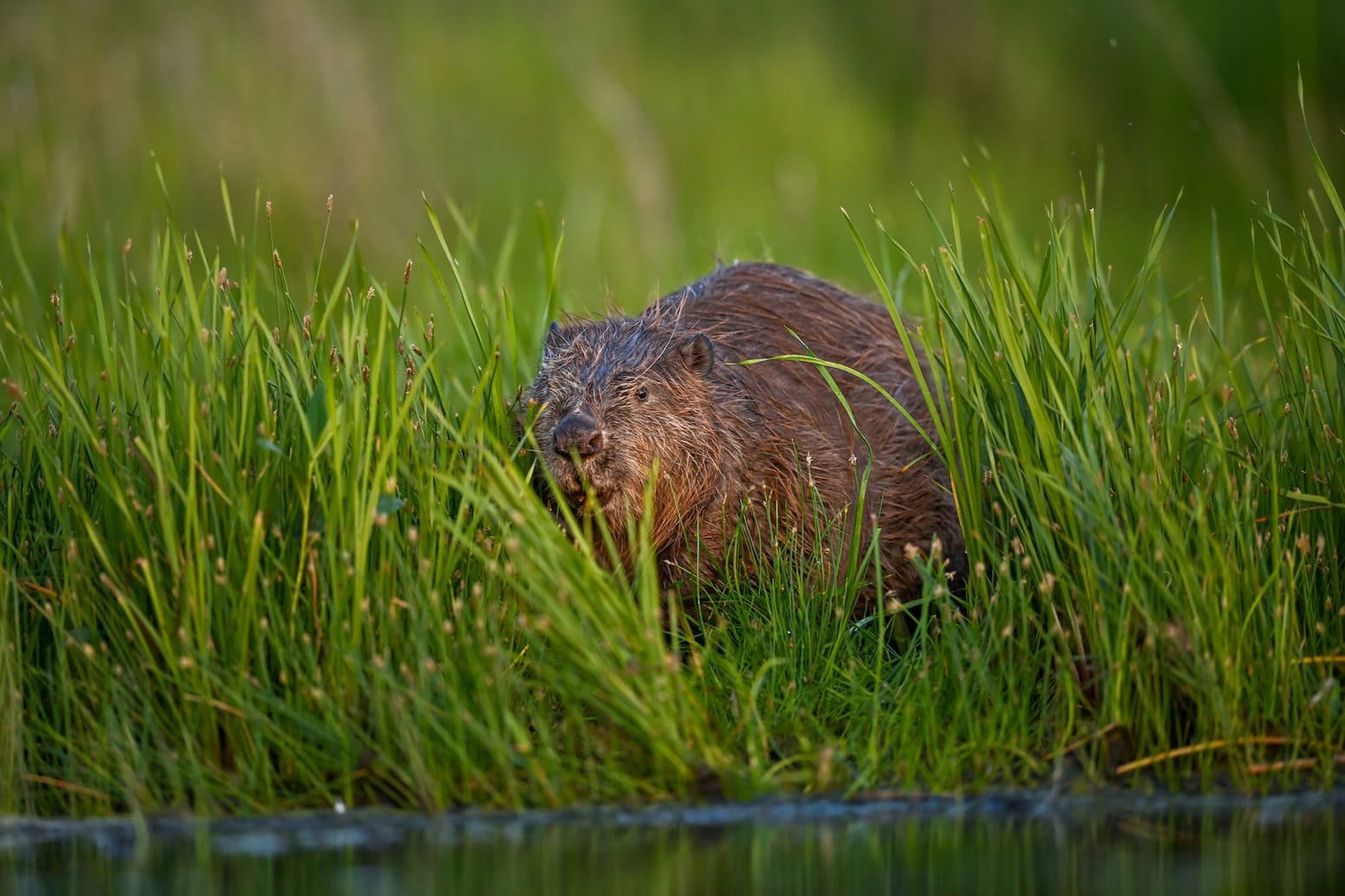
Sometimes the smartest climate solution is not concrete, steel or a costly new drainage scheme. This uplifting positive news ireland readers will appreciate comes from west London, where a family of beavers appears to have helped solve a stubborn flooding problem near Greenford Tube station while also transforming a neglected landscape into a thriving wetland.
It is the kind of story that belongs in every positive news digest: practical, hopeful and rooted in nature. After years of floodwater, sandbags and concern over expensive engineering works, local officials and conservationists saw the area change dramatically once beavers were reintroduced to Paradise Fields in 2023.
Quick Answer
Beavers reintroduced to Paradise Fields in west London built dams that slowed water flow, created wetland storage and appear to have reduced flooding around Greenford. The project also boosted biodiversity, showing how rewilding can deliver real urban climate benefits at low cost.
Key Facts
- Five beavers were released in Ealing borough in 2023.
- The site is Paradise Fields, a 10-hectare former golf course.
- The animals built dams that created a new lake and held back water.
- Officials say heavy rainfall no longer caused the same flooding issues nearby.
What happened in this positive news ireland story?
The Ealing Beaver Project brought beavers back to an urban London stream for the first time in centuries. According to urban beaver officer Şeniz Mustafa, even after intense rainfall, the area around Greenford avoided the flooding that had become familiar. As she put it, the animals effectively told humans to “step aside”.
Why it matters
This is more than feel-good positive news. It highlights how natural flood management can support cities facing climate pressure. The beavers’ work also created habitat for fish, dragonflies, butterflies, toads and migratory birds, making this one of those rare positive stories world audiences can learn from immediately.
Timeline and details
- Location: Paradise Fields, Greenford, Ealing, west London
- Year of reintroduction: 2023
- Project partners: Ealing Wildlife Group, Citizen Zoo, Friends of Horsenden, Ealing Council
- Support: Beaver Trust and the Mayor of London
What people need to know
Urban rewilding is not just about wildlife. It can reduce flood risk, improve access to nature and strengthen local ecosystems. That makes this a standout example for any daily positive news roundup or daily digest focused on climate solutions.
Background
Beavers were driven to extinction in England about 400 years ago. Their return is increasingly being seen as a practical conservation tool because dams slow water, trap sediment and create rich wetland habitats.
What happens next
If results continue, projects like this could influence how councils approach flood resilience in urban areas. Instead of relying only on expensive infrastructure, more places may look to nature-based solutions.
FAQs
Did beavers really stop the flooding?
They appear to have significantly reduced it by holding and slowing water upstream.
Where did this happen?
Near Greenford Tube station in Ealing, west London.
When were the beavers released?
In 2023.
Why are beaver dams useful?
They create water storage, reduce flow speed and support wetland ecosystems.
Did wildlife benefit too?
Yes, new species including fish, birds, amphibians and insects were recorded.
Related topics
Read More: Daily Digest
Stories like this remind us why positive news ireland audiences keep seeking solutions-focused journalism. When nature is given space, it can sometimes outperform even our best plans.