




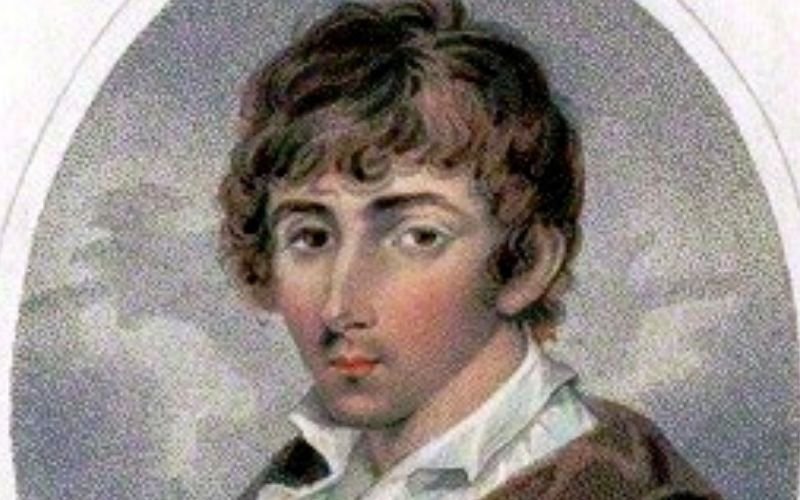
Few literary hoaxes have caused as much chaos, fascination, and public theatre as the forged Shakespeare papers created by William Henry Ireland. Long before viral scandals and modern irish entertainment news, this 18th-century deception gripped Britain with forged letters, fake signatures, and even a newly “discovered” play. For readers interested in Irish Around World stories, it also carries a striking Irish twist: the man who publicly exposed the fraud was Dublin-born scholar Edmond Malone.
At just 17, William Henry Ireland handed his father Samuel Ireland what appeared to be a priceless relic: a paper signed “Wm Shakespeare.” Samuel, a collector and devoted admirer of the Bard, desperately wanted proof of Shakespeare’s hand. That desire made him the perfect target. After a visit to Stratford-upon-Avon, where stories circulated about lost Shakespeare documents, William claimed he had found the signed paper in the trunk of a wealthy acquaintance.
How William Henry Ireland Built the Shakespeare Forgery
Once his father accepted the first signature as real, the scheme escalated quickly. William soon produced more sensational “finds,” including:
- a letter from Shakespeare to the Earl of Southampton
- a note to Anne Hathaway said to include a lock of hair
- a letter from Queen Elizabeth addressed to Shakespeare
- a declaration supposedly proving Shakespeare’s Protestant faith
The papers were displayed publicly and attracted attention from major literary figures of the time. Several respected names accepted them as genuine, which added even more excitement to the affair. The story spread in a way that feels surprisingly familiar to anyone who follows irish current affairs, irish viral videos, or the rise of sensational cultural claims online: once public emotion takes over, skepticism often arrives late.
For audiences drawn to irish culture and craic, the episode is a reminder that showmanship, belief, and public spectacle have always gone hand in hand. The forgeries were not merely documents; they became an event.
Read more: places to visit in Ireland | irish entertainment news
The Fake Shakespeare Play That Turned Into Public Drama
The biggest gamble came when William Henry Ireland claimed he possessed a lost Shakespeare play called Vortigern and Rowena. That announcement transformed the scandal from a collector’s curiosity into a full cultural sensation. Theatre owner Richard Brinsley Sheridan showed interest in staging it, though doubts about authenticity and ownership lingered.
To smooth over legal concerns, William conveniently produced yet another document, a deed claiming the play had been gifted by Shakespeare to one of his ancestors. It was an audacious move, and for a time it worked. Tickets for the production reportedly sold out, showing that the appetite for literary discovery could rival the buzz now seen around best irish tv shows, new irish movies, and what to watch on rte player.
Then came the collapse. On the eve of the performance, Edmond Malone published a detailed scholarly demolition of the papers. Malone, a Dubliner and one of the leading Shakespeare experts of his age, meticulously exposed the inconsistencies, language errors, and historical flaws in the documents. When the play finally reached the stage, it was met with mockery, arguments, and open division in the audience.
Explore more: ireland travel bucket list | best pubs in dublin
Why the Hoax Still Matters in Irish Around World Conversations
The case remains relevant because it shows how easily prestige, desire, and public enthusiasm can blur judgment. William Henry Ireland understood exactly what people wanted to believe. His father wanted Shakespeare relics. Scholars wanted discovery. Audiences wanted wonder. In that sense, the hoax belongs in wider Irish Around World conversations about storytelling, reputation, and the global appetite for cultural myth.
It also highlights the important role of Irish figures in literary history. Malone’s intervention was decisive, and his work preserved the integrity of Shakespeare scholarship. For readers interested in irish diaspora history, famous irish americans, irish heritage worldwide, and the global irish community, it is one more example of Irish influence shaping major cultural debates far beyond Ireland.
Key facts about the scandal
- William Henry Ireland was still a teenager when the forgery began
- His father Samuel remained convinced the papers were real
- The forged documents were initially accepted by notable literary observers
- Edmond Malone’s published analysis exposed the fraud in detail
- William later confessed, but was never criminally charged
Read more: things to do in ireland tonight | wild atlantic way tips
Conclusion
The William Henry Ireland scandal endures because it is more than a literary fraud; it is a lesson in vanity, ambition, and the power of belief. For anyone following Irish Around World stories, it offers a compelling link between Irish scholarship and one of history’s most notorious cultural deceptions. In the end, the forged papers fooled many, but the truth prevailed thanks in large part to a sharp-eyed scholar from Dublin.