


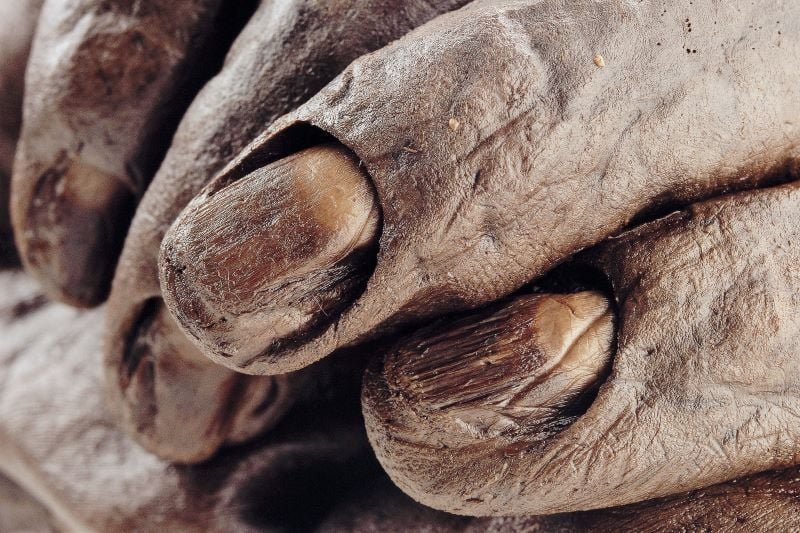
Few museum displays in Ireland leave quite the same impression as the preserved human remains lifted from ancient peatlands. For anyone interested in irish entertainment news, history, and the darker side of modern irish culture, Ireland’s bog bodies offer a gripping reminder that the island’s most powerful stories are not always found on screen. They lie in the ground, astonishingly intact, raising questions about kingship, violence, belief, and the limits of archaeology.
The bog bodies housed in Dublin’s National Museum of Archaeology continue to fascinate visitors because they feel both intimate and unknowable. Faces, skin, hair, and wounds survive across millennia thanks to the cold, acidic, oxygen-poor conditions of peat bogs. While these discoveries are often discussed alongside irish folklore and myths and celtic mythology, the evidence itself is more complex than the headlines suggest.
Why Ireland’s Bog Bodies Still Grip the Public Imagination
Peat bogs cover a significant portion of Ireland, and for generations they were cut for fuel. That practical tradition led to extraordinary discoveries: men, women, and children preserved in eerie detail after thousands of years underground. Among the best known are Cashel Man, Old Croghan Man, Clonycavan Man, Gallagh Man, and Baronstownwest Man.
Part of the enduring appeal is how these finds sit at the crossroads of science and storytelling. They connect naturally with readers who enjoy irish current affairs, irish news today, and deeper features rooted in heritage. They also fit into the same national curiosity that fuels interest in best irish documentaries, new irish movies, and movies filmed in ireland.
- Old Croghan Man appears to have been tall and high status.
- Clonycavan Man had a carefully styled hairstyle using imported resin.
- Cashel Man is considered one of Europe’s oldest bog bodies with intact skin.
These details suggest not anonymous deaths, but lives shaped by status, trade, diet, and social power.
Read more: Explore more culture features?utm_source=dailydigestpost&utm_medium=referral&utm_campaign=related_posts
Ritual Sacrifice or Violent Killing?
A major debate surrounding these remains is whether they were victims of sacred kingship rituals or simply murdered men whose deaths were later given dramatic interpretation. This tension makes the story especially compelling for audiences drawn to irish entertainment news that goes beyond celebrity coverage and taps into the theatrical power of real history.
Some experts argue that severe injuries, mutilation, and deposition in boundary landscapes point to ritual sacrifice. In that reading, an Iron Age ruler could be held responsible for failed harvests, poor livestock health, or wider communal misfortune. If the king failed, the king paid the price.
Yet skepticism remains justified. Several injuries could also fit battle, execution, revenge, or the concealment of homicide. A defensive wound, for example, may suggest resistance rather than ceremonial submission. Boundaries, bogs, and deposited objects may indicate ritual activity, but they do not conclusively prove it in every case.
That uncertainty matters. Archaeology can reveal trauma, diet, age, and environment, but motive is far harder to pin down. As with many stories linked to irish folklore stories and mythic kings, interpretation can drift toward certainty faster than the evidence allows.
What the evidence can tell us
- These individuals were often preserved in exceptional condition.
- Some appear to have had elite status.
- Many suffered violent deaths.
- The exact reason for that violence remains disputed.
Explore: Read more feature journalism here?utm_source=dailydigestpost&utm_medium=referral&utm_campaign=related_posts
Bog Bodies, Myth, and Ireland’s Cultural Fascination with the Past
It is easy to see why these remains spark comparisons with legendary figures from irish culture and craic, oral tradition, and heroic literature. Tales of damaged kings, sacred landscapes, and supernatural punishment run deep in the Irish imagination. But myth should not be mistaken for proof.
Christian-era texts describing pagan sacrifice may contain bias, symbolism, or outright propaganda. That does not make them useless, but it does mean they must be handled carefully. The same caution applies when modern audiences, hungry for dramatic narratives, turn archaeological evidence into neat stories.
For travelers building an ireland travel bucket list or seeking irish hidden gems, the National Museum in Dublin is one of the most compelling stops in the country. Alongside places to visit in ireland, irish castle tours, and wild atlantic way tips, it offers a different kind of immersion: one rooted not in scenery, but in the unsettling closeness of the ancient dead.
Read more: Explore more lifestyle and travel reads?utm_source=dailydigestpost&utm_medium=referral&utm_campaign=related_posts
What We Really Know — and What We Don’t
The strongest conclusion is also the most honest one: no single theory explains every case. Some bog bodies may have been ritual victims. Others may have been nobles, captives, criminals, or casualties of conflict. That ambiguity is precisely why the subject continues to resonate in irish entertainment news and long-form cultural writing alike.
In the end, Ireland’s bog bodies remain powerful because they resist easy answers. They invite us to look closely, question confidently, and accept that the past is often stranger than the stories built around it. If you follow irish entertainment news for the richest stories in Irish life, this is one mystery worth keeping on your radar.