


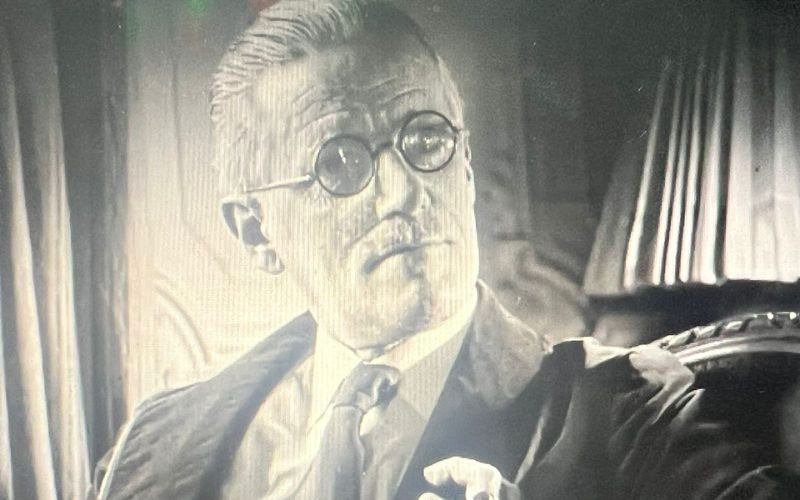
Some cultural moments sound monumental on paper and surprisingly human in reality. The only face-to-face encounter between James Joyce and Marcel Proust is one of those stories—an elegant Paris gathering that became memorable not for sparkling conversation, but for discomfort, fatigue, and a shared air of disinterest.
For readers who follow irish entertainment news, this episode offers a brilliant glimpse into how larger-than-life figures can collide in deeply ordinary ways. Rather than a triumphant exchange between two modernist masters, the evening revealed personality, timing, and mood can matter as much as genius.
Why the Joyce-Proust meeting still fascinates irish entertainment news readers
James Joyce and Marcel Proust transformed 20th-century fiction in different but equally profound ways. Joyce, the Dublin visionary behind Ulysses, pushed language, structure, and consciousness into radical new territory. Proust, author of In Search of Lost Time, turned memory and perception into an epic literary universe. Their names belong in any conversation about modern irish culture, literary innovation, and the global afterlife of classic authors.
Yet when they finally met in Paris on May 18, 1922, the setting was far grander than the outcome. Hosted by Sydney and Violet Schiff, the dinner brought together an extraordinary guest list that reportedly included Pablo Picasso and Igor Stravinsky. It should have been a historic meeting of minds. Instead, both men arrived late, unwell, and apparently uninterested in discussing each other’s work.
An awkward encounter, not a meeting of minds
Contemporary accounts differ in detail, but they agree on the essentials:
- Joyce arrived looking worse for wear and gravitated toward the champagne.
- Proust appeared later, impeccably dressed but visibly sickly and pale.
- The conversation was strained, polite, and faintly absurd.
- There was little evidence of any deep literary exchange.
One famous version of the exchange suggests each author referenced a major work the other had not read. Whether polished by retelling or not, the anecdote has endured because it captures the odd comedy of genius meeting genius under the wrong circumstances.
Read more: Explore more culture features
What this story says about Irish culture and craic
There is something unmistakably appealing in this tale for anyone drawn to irish culture and craic. Not because the evening was especially warm or witty, but because it reminds us that famous people are rarely as polished as their reputations suggest. Even among elite artists in a glittering room, there was awkwardness, ego, illness, exhaustion, and anticlimax.
That tension also speaks to what is the craic in a deeper sense. Craic is not only about laughs in a packed pub or a lively round of irish banter. It can also mean the story people keep telling afterward—the unexpected twist, the strange social energy, the anecdote that grows richer over time. In that sense, the Joyce-Proust dinner absolutely delivered.
The human side of literary legends
This story lasts because it strips away the museum glass. Joyce was not just a canonical Irish genius; he was tired, imperfect, and difficult. Proust was not merely a monument of French literature; he was frail, formal, and preoccupied with his health. Their awkward exchange makes both men more real, which is often why cultural history remains so compelling in irish entertainment news.
Explore: Discover more arts and media stories
Why Joyce still matters far beyond Bloomsday
Joyce’s place in Irish and world culture is secure, but stories like this explain why he still resonates. He was not only a difficult modernist to be studied in classrooms; he was part of a living artistic world full of rivalry, coincidence, and contradiction. That makes him relevant to readers interested in irish celebrities, best irish documentaries, and the broader sweep of irish heritage worldwide.
His legacy also extends into travel, events, and cultural memory. Bloomsday alone continues to inspire walking tours, readings, and celebrations that sit comfortably beside today’s irish festivals and events. For anyone building an ireland travel bucket list, Joyce’s Dublin remains one of the most rewarding intellectual and emotional maps in Europe.
A legacy built on ordinary life
What united Joyce and Proust, despite the famously awkward evening, was their fascination with everyday experience. One found epic meaning in a single day in Dublin; the other found entire worlds hidden in memory and habit. That achievement continues to influence writers, filmmakers, and cultural critics across the global irish community and beyond.
Read more: Explore more lifestyle and culture reads
Final takeaway from this unforgettable literary near-miss
The only meeting between Joyce and Proust was not brilliant conversation for the ages. It was awkward, sleepy, and slightly tragicomic—and that is exactly why it endures. For fans of irish entertainment news, it is a perfect reminder that cultural history is often at its best when greatness meets human frailty.
In the end, the Paris dinner matters not because the two men bonded, but because their brief, uncomfortable encounter tells us something timeless: genius does not always announce itself with fireworks. Sometimes it arrives late, feels unwell, says very little, and still becomes legend in irish entertainment news.