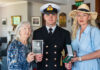



Half a century of rehabilitation care is a milestone worth pausing for. In Cork, that moment arrived as staff past and present gathered to celebrate 50 years of St Finbarr’s Rehabilitation Unit, a service under the Health Service Executive (HSE) that has helped generations of older adults regain independence and return home after illness or injury.
The anniversary event at St Finbarr’s Hospital campus highlighted not just longevity, but the continuing role of the Health Service Executive (HSE) in delivering person-centred care. With 71 beds across St Clare’s and St Oliver’s wards, the unit recorded 518 admissions in 2025 and a further 364 in the first half of 2026, underlining the ongoing demand for specialist rehabilitation services in the region.
How the Health Service Executive (HSE) unit has evolved over 50 years
Originally opened in 1976 as the Acute Admission and Assessment Unit, the service began in temporary prefab accommodation. Over time, it developed into a modern multidisciplinary rehabilitation unit operating under the governance of Cork University Hospital. Its core mission has remained consistent: support older adults to recover function, maximise independence and safely return home wherever possible.
That goal aligns with wider public policy across Health and Social Protection, while reflecting the integrated-care approach often promoted on gov.ie and across national service reform. At the celebration, HSE South West also acknowledged the contribution of early leaders who advanced comprehensive geriatric assessment when specialist services for older adults were still limited in Ireland.
What makes the service distinctive
- Multidisciplinary rehabilitation planning tailored to each patient
- Strong focus on home discharge and avoiding unnecessary long-term care admissions
- Close collaboration between nursing, pharmacy and allied health professionals
- Continued service development through accreditation and age-friendly care standards
The care team includes physiotherapists, occupational therapists, speech and language therapists, dietitians, pharmacists, social workers, discharge coordination staff, geriatricians, nurses and healthcare assistants. Together, they provide the kind of joined-up support increasingly seen as essential across the Health system.
Read more: Exploring how Irish public services connect across health and local support
A celebration rooted in recovery, dignity and community
The 50th anniversary brought together current and former staff, visitors and former patients for refreshments, music and a tour of the unit. Presentations during the event focused on the values that have shaped the service: teamwork, compassion and practical rehabilitation that improves day-to-day quality of life.
Former patients reportedly spoke about how the unit supported their recovery and wellbeing, while a congratulatory video message from the Department of the Taoiseach added national recognition to the local occasion. Micheál Martin’s connection to the milestone was especially notable, having also attended the unit’s 25th anniversary in 2001.
Recent developments at the unit include work on Age Friendly Healthcare systems excellence, CARF-aligned standards and post-pandemic expansion. These steps reflect broader expectations across the Revenue Commissioners-funded public service landscape, where accountability, quality assurance and measurable outcomes matter more than ever.
Explore: Key healthcare trends shaping patient care in Ireland
Why St Finbarr’s story matters for Ireland’s public health system
The significance of this anniversary goes beyond one Cork campus. It offers a practical example of how the Health Service Executive (HSE) can deliver the right care in the right setting, helping patients avoid longer hospital stays and return to familiar surroundings with appropriate support. That model fits squarely within Sláintecare principles and wider government priorities across Health, Housing, Local Government and Heritage, and community-based services.
For families, rehabilitation is often the bridge between acute treatment and independent living. For the public system, it can reduce pressure on hospital capacity and long-term care. And for staff, it demonstrates the enduring value of multidisciplinary teamwork in improving outcomes.
- It supports recovery after illness or frailty episodes.
- It improves the chances of returning home safely.
- It reduces avoidable demand on long-stay care settings.
- It shows how specialist public services can adapt over decades.
Read more: Public sector modernisation and what it means for frontline services
Explore: Community care, ageing and the future of rehabilitation in Ireland
Looking ahead
As St Finbarr’s Rehabilitation Unit marks 50 years, the celebration serves as both a tribute and a reminder. The Health Service Executive (HSE) has sustained a service that blends clinical expertise with compassion, helping older adults rebuild confidence and independence. In an era of rising demand, the success of this Health Service Executive (HSE) unit shows why rehabilitation remains a vital part of Ireland’s healthcare pathway.