


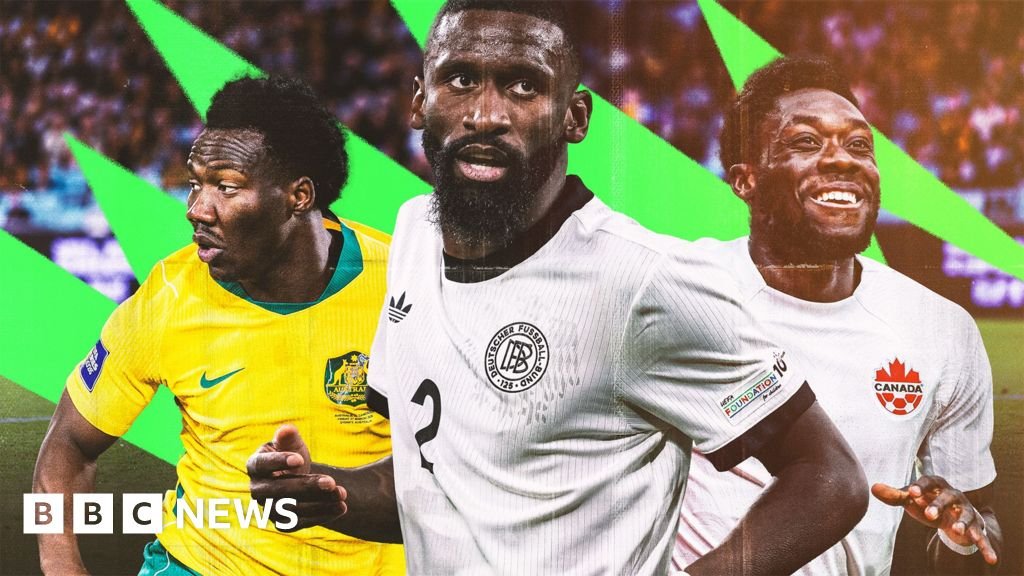
The World Cup 2026 will be remembered for its scale, new format and three-nation hosting plan, but it is also shaping up as a tournament defined by human stories. Beyond the World Cup 2026 schedule, fixtures and fan debate, some of football’s biggest names are reminding supporters that the game’s grandest stage can also reflect resilience, migration and belonging.
As the FIFA World Cup 2026 conversation gathers pace, players such as Antonio Rudiger, Alphonso Davies and Nestory Irankunda stand out not only for their quality on the pitch, but for the journeys behind their success. Their presence adds emotional weight to a competition already set to dominate the sporting calendar.
Why World Cup 2026 Means More Than Football
For many supporters tracking the World Cup 2026 teams, dates and venues, the focus naturally falls on title contenders, likely group-stage drama and the road to the World Cup 2026 final. Yet several players expected to shape the Football World Cup 2026 carry family histories rooted in displacement and conflict.
Rudiger’s family fled civil war in Sierra Leone before building a new life in Germany. Canada captain Davies spent part of his early childhood in a refugee camp after his parents escaped Liberia. Australia forward Irankunda also emerged from a refugee background before rising into elite football.
These stories underline a powerful point: football development is often linked to opportunity, safety and support systems. In that sense, the 48 team World Cup will not only showcase tactical depth and elite talent, but also the diverse experiences that now define the modern game.
Refugee Backgrounds Are Shaping the Global Tournament
The World Cup 2026 host countries — the USA, Mexico and Canada — will welcome a competition that is larger than ever. That global reach is reflected in the multicultural makeup of many national squads, especially as the World Cup 2026 format expands access and increases the number of participating nations.
Key themes emerging before the tournament
- National teams increasingly reflect migration and diaspora communities.
- Refugee success stories are becoming central to football’s identity.
- The tournament offers a platform for wider conversations beyond results.
- Supporters are engaging with players’ personal histories as much as performances.
There is also a broader political context. Debate around refugee policy, immigration and access remains particularly sharp in the USA World Cup 2026 build-up. That contrast makes the achievements of players from refugee families even more striking as they prepare for football’s biggest event.
What Fans Should Take From These World Cup 2026 Stories
As fans look ahead to the World Cup 2026 draw, groups, stadiums, tickets and knockout stage, these stories offer an important reminder: international football is at its best when it reflects the full range of human experience. The game thrives when talent is given the chance to grow, regardless of origin.
The clearest takeaway ahead of the World Cup 2026 is this: great tournaments are built not just on goals and glory, but on the lives behind the shirts. That is what gives this competition lasting meaning.
—- Image Courtesy: BBC