


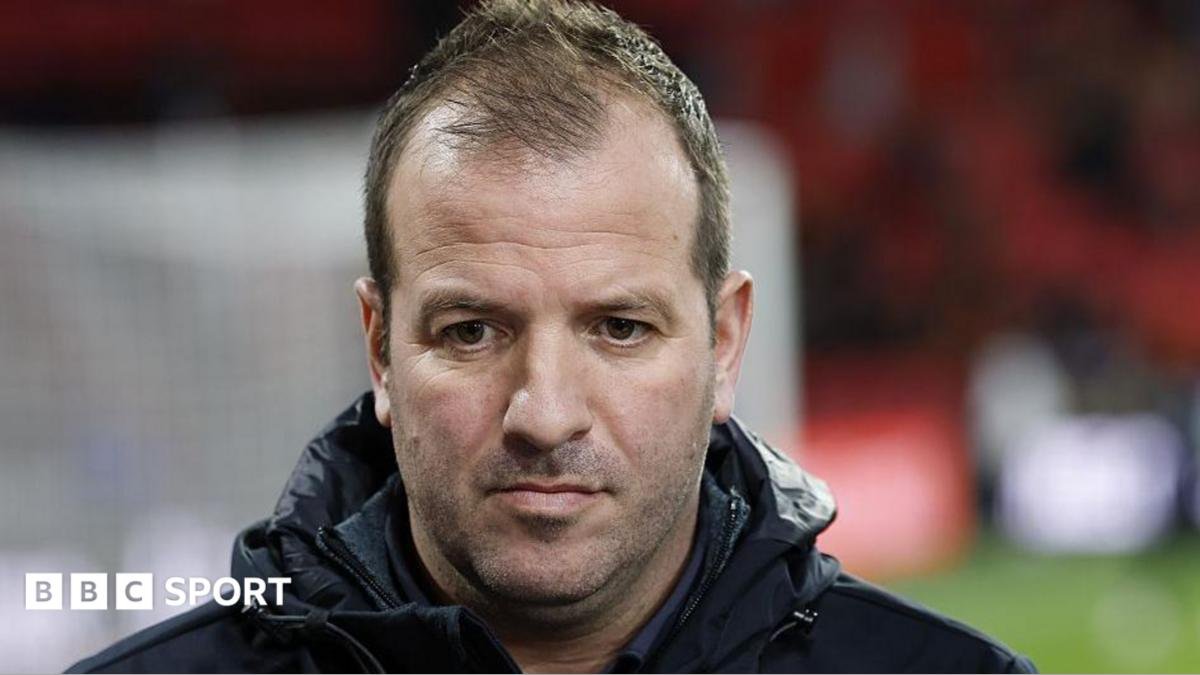
World Cup 2026 coverage is already drawing huge global attention, but this week the focus shifted from football to broadcast standards after former Netherlands midfielder Rafael van der Vaart apologised for remarks made during Japan’s 2-2 draw with the Dutch side. The incident has reignited debate about racism, representation and the responsibilities of pundits on the biggest stage in sport.
Van der Vaart, speaking on Dutch broadcaster NOS, made the comment while analysing a defensive lapse that allowed Japan’s Koki Ogawa to score a late equaliser. After criticism quickly followed, the former Tottenham and Netherlands international issued a public apology, saying he never intended to offend and that he rejects racism in all forms.
Why the incident matters beyond World Cup 2026
The FIFA World Cup 2026 is set to be the most expansive tournament in the competition’s history, with a 48 team World Cup format, bigger audiences and more scrutiny on every aspect of the event. In that environment, commentary from former players and analysts carries weight far beyond a single broadcast.
Anti-discrimination organisation Kick It Out, alongside the Frank Soo Foundation, strongly criticised the remark. Their response underlined a key point: intent does not erase impact. For East and South East Asian communities, stereotypes repeated on major platforms can reinforce harmful attitudes, even when framed as humour.
What critics are calling for
- Better education and cultural awareness training for pundits
- Stronger editorial oversight from broadcasters
- Clearer accountability when discriminatory language is used
- More inclusive standards across major football coverage
Broadcast pressure rises as World Cup 2026 approaches
With interest building around the World Cup 2026 schedule, World Cup 2026 teams, and the eventual World Cup 2026 draw, broadcasters are preparing for unprecedented demand. Fans are already tracking the World Cup 2026 host countries – the USA, Mexico and Canada – while also looking ahead to the World Cup 2026 venues, World Cup 2026 tickets and the road to the World Cup 2026 final.
That wider spotlight means on-air talent must match the scale of the tournament with professionalism. Whether discussing the World Cup 2026 opening match, the World Cup 2026 knockout stage, or key stories involving nations such as Japan, the standard of analysis matters as much as tactical insight.
The takeaway for football and media
As World Cup 2026 moves closer, football’s governing bodies, broadcasters and pundits will all face growing pressure to ensure the game is presented in a way that respects its truly global audience. Van der Vaart’s apology may close one chapter, but the episode is also a reminder that language matters. In a tournament built on international pride and diversity, World Cup 2026 coverage must reflect the values the sport claims to represent.
—- Image Courtesy: BBC