


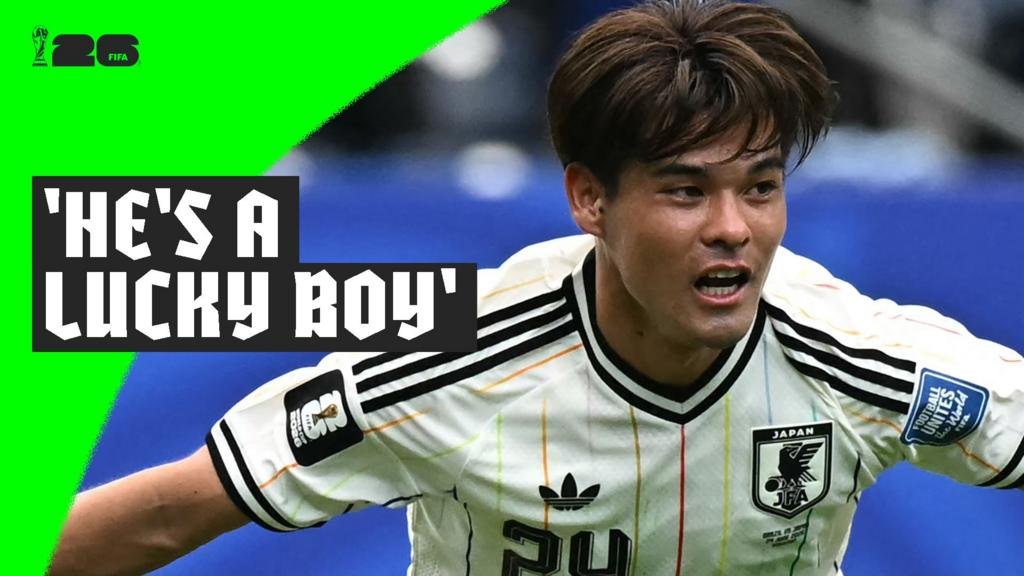
One flashpoint can change the mood of a knockout tie in seconds. That was the case in Houston, where a sharp Japan opener against Brazil quickly became part of a wider Football World Cup 2026 debate over officiating, discipline and the fine margins that define elite tournament football.
The key moment centred on Kaishu Sano, who went on to score Japan’s breakthrough goal after avoiding what many viewers felt could have been a second booking for a challenge on Matheus Cunha. The finish itself was clinical, but the conversation immediately shifted from technique to refereeing judgment. In a tournament as intense as the FIFA World Cup 2026, those decisions rarely fade quietly.
A decisive moment in the knockout stage
This was exactly the kind of incident that shapes the story of the World Cup 2026 knockout stage. Brazil, long considered one of the headline World Cup 2026 teams, were left frustrated not only by the goal but by the sequence that led to it. Japan, meanwhile, showed the ruthlessness that often separates contenders from nearly-men in major tournaments.
From a footballing perspective, Sano’s composure was undeniable:
- He reacted quickly in transition.
- He finished with conviction under pressure.
- He punished a moment of defensive vulnerability.
Yet the broader issue is whether he should still have been on the field at all. That question is likely to linger well beyond this match, especially as fans track the World Cup 2026 fixtures and review major officiating calls across the competition.
Why refereeing calls matter so much
In any 48 team World Cup, scrutiny intensifies because there are more matches, more variables and more opportunities for controversy. Every yellow card decision can affect the rhythm of a game, the World Cup 2026 schedule and even the route teams take through the bracket. In knockout football, there is no room to recover next week.
Moments like this also feed into wider discussions around the World Cup 2026 format, VAR consistency and how officials manage repeat fouls in high-pressure environments. For supporters following the Football World Cup 2026 from abroad, including those checking World Cup 2026 UK time or how to watch World Cup 2026 in Ireland, these are the incidents that dominate post-match analysis as much as the result itself.
Read more: Explore more sports coverage
What this means going forward
Japan’s ability to seize the moment underlines why emerging sides are becoming increasingly dangerous in the FIFA World Cup 2026. Brazil’s reaction, meanwhile, will be judged through the lens of missed control, missed chances and a refereeing call they felt went against them.
As the World Cup 2026 moves deeper into its latter rounds, these are the episodes that define narratives as much as goals do. The Football World Cup 2026 is delivering drama, and this latest controversy is a reminder that tournament football is never only about the finish — sometimes it is about everything that happened just before it.
Explore: More major tournament analysis
Read more: Latest international football features
Article/Image Courtesy: BBC