


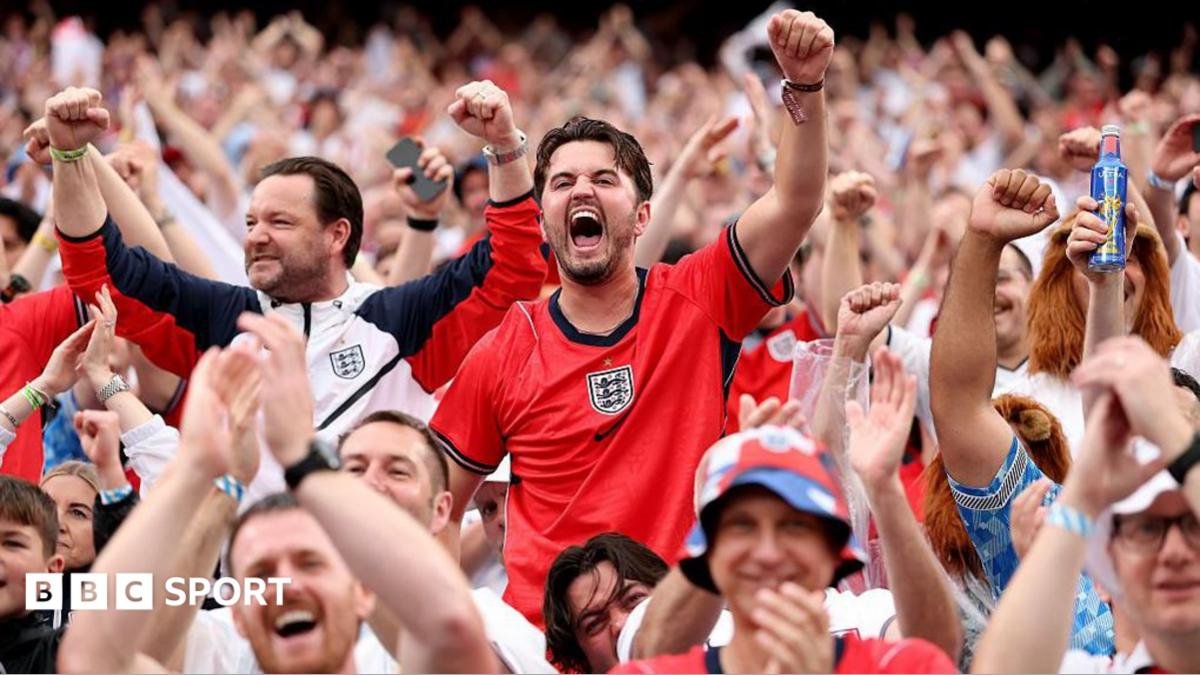
England’s support at the World Cup has produced a striking split-screen story. While police in the United States have praised travelling followers for calm and orderly behaviour during the group phase, authorities in England and Wales are dealing with a notable rise in football-related incidents at home. It is an unusual backdrop to the broader conversation around World Cup 2026, fan culture and how major tournaments are experienced both in stadiums and from living rooms and pubs.
Supporters in America earn strong praise
According to football policing officials, there have been no reports of violence or serious disorder involving England fans in the United States during the tournament so far. Of the five arrests linked to England supporters, only two were connected to a World Cup match, and all five individuals were later released by US authorities before being referred back to the UK Football Policing Unit.
That assessment matters because major international events such as the FIFA World Cup 2026 often bring heightened scrutiny around travelling supporters, especially with the USA World Cup 2026 expected to attract massive cross-border movement. Police leaders said local law enforcement had been encouraged to judge fans on current behaviour rather than historic stereotypes, and the early picture appears to support that approach.
Read more: travel planning stories shaping the summer sporting calendar
Domestic figures tell a different story
Back in England and Wales, the numbers are more troubling. Police recorded 463 football-related incidents during the same period, a clear increase on comparable stages of recent major tournaments. A large share of those cases took place in licensed premises, while more than 100 were classified as domestic incidents, often involving family members aged 16 or over.
The arrest total has also climbed, underlining the tension between positive behaviour overseas and a more difficult reality at home. Public order offences continue to account for many cases, ranging from abusive conduct to intimidation and violence. For anyone following World Cup 2026, it is a reminder that tournament policing is no longer just about the host cities or World Cup 2026 venues, but also about the social impact in countries watching from afar.
What the latest figures suggest
- Travelling England fans have largely avoided disorder in the US.
- Most domestic incidents happened away from stadiums.
- Pubs and home settings remain key pressure points during major matches.
- Preventive policing measures are still central to tournament planning.
Explore: event hosting, travel and crowd trends around major global tournaments
Banning orders still play a major role
Before the tournament began, nearly 2,000 supporters subject to football banning orders were made to surrender their passports, a long-established measure designed to prevent known risk individuals from travelling. That policy will remain part of discussions as the Football World Cup 2026 draws closer, particularly with three World Cup 2026 host countries sharing responsibility for staging matches.
For supporters already looking ahead to the World Cup 2026 schedule, World Cup 2026 tickets and a future World Cup 2026 fan guide, this latest update offers a broader lesson. Fan behaviour abroad can improve, but the challenge for authorities is ensuring the same standard is reflected at home. If that gap remains, the off-field conversation may stay as important as the action on the pitch.
Read more: how broadcasters and audiences shape the mood of major sports events
As attention turns to knockout football and the road ahead, the takeaway is clear: England’s support overseas has won approval, but domestic policing concerns have not gone away. That contrast will remain relevant well beyond this tournament and into World Cup 2026 planning.
Article/Image Courtesy: BBC