





GAA Ireland rarely gets stronger by accident. It improves when better coaches shape better sessions, create better habits and make players want to come back next week. That is why the GAA Coach 10/MVA Model matters: it puts the focus on the real building blocks of coaching success, from the person leading the group to the environment they create.
For anyone following Irish sports news, this is more than a coaching diagram on a website. It is a practical framework for clubs, schools and volunteers who drive community sport every evening across the country. The model breaks coaching into three connected parts: the coach as a person, the quality of training and match preparation, and the coaching environment. Simple on paper, but hugely important in practice.
Why the GAA Ireland coach model matters
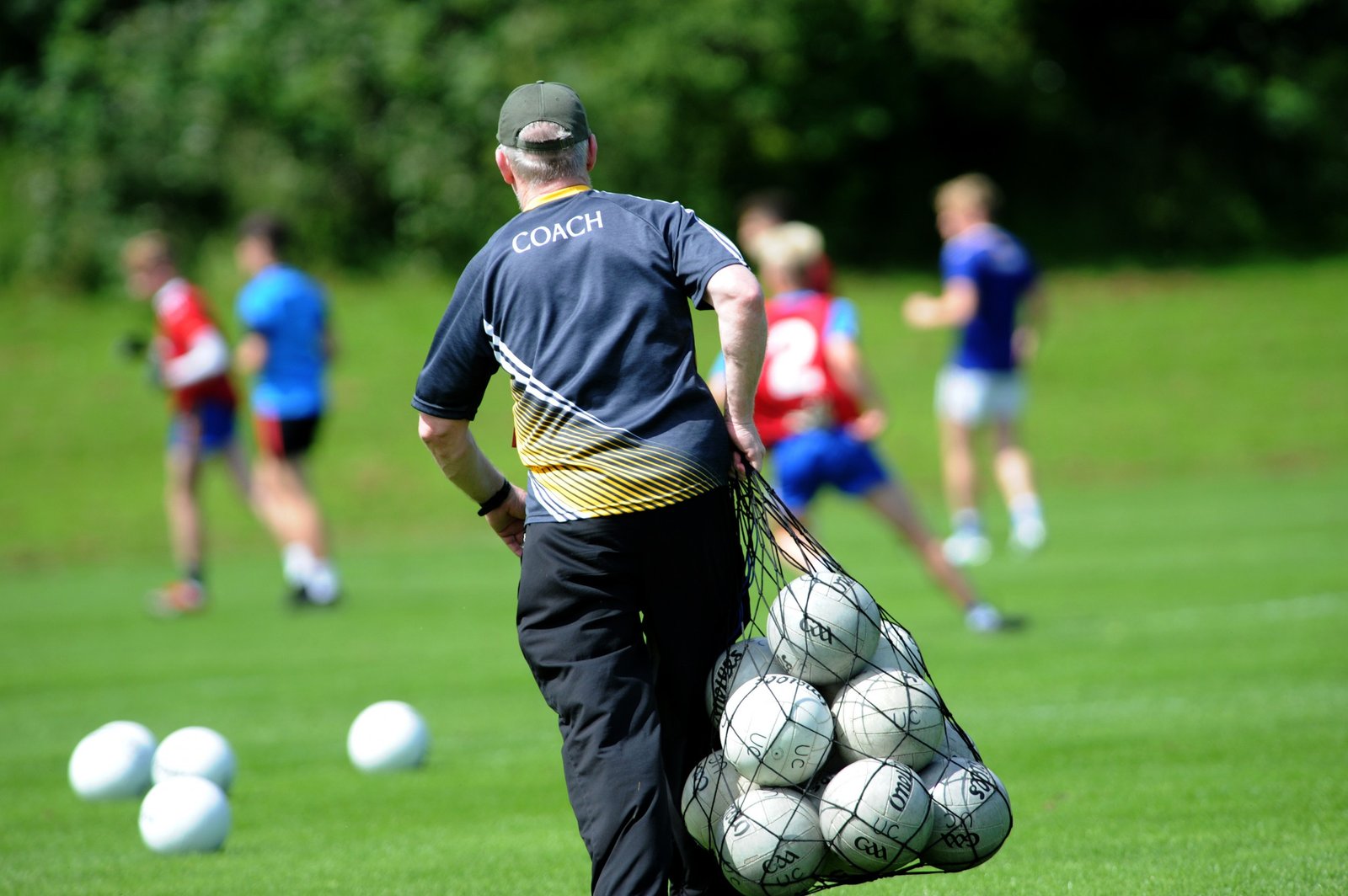
The sharpest point in the model is this: coaching is not just about drills. A coach sets the tone long before a ball is thrown in. Players respond to clarity, consistency and trust. If the coach brings energy, patience and sound judgment, the session improves straight away. If they do not, even the best plan can fall flat.
The first part of the GAA Ireland model looks at the coach as a person. That means communication, self-awareness, leadership and the ability to keep learning. In grassroots games, those traits often decide whether young players stay in sport. That has clear links to women’s sport Ireland, athletics Ireland and rugby Ireland too, where strong coaching pathways often shape long-term participation.
The second part covers quality training and match preparation. This is where good intentions must turn into detail. Strong coaches build sessions with purpose. They manage intensity, explain roles clearly and prepare players for what the game will actually ask of them. In any match preview Ireland discussion, this is the hidden work supporters do not always see. The same truth runs through Irish rugby, League of Ireland, soccer Ireland and Irish football: preparation changes outcomes.
The third part is the environment. This may be the most underrated piece. Players improve faster in places where standards are clear, mistakes do not become humiliation and everyone understands the point of the session. That matters just as much in a local juvenile hurling group as it does in elite setups chasing GAA results.
What good coaches can take from it
- Know yourself: Your attitude sets the mood before training starts.
- Plan properly: Every drill should connect to a game problem.
- Create safety and standards: Players learn more when they feel supported and challenged.
- Keep adapting: The best coaches review sessions and change what is not working.
- Think beyond one sport: Lessons from Irish rugby, athletics Ireland and community sport can sharpen any coach.
There is a wider lesson here for the whole sports landscape. Better coaching lifts standards everywhere, whether that is a club chasing GAA results, a school building participation, or volunteers looking for practical sports tips. The strongest systems do not rely on luck or one gifted player. They rely on adults who know how to teach, organise and connect.
The GAA Ireland Coach 10/MVA Model does not promise instant success, and that is exactly why it is useful. It deals in habits, clarity and culture — the things that last longer than one result. For coaches, parents and clubs, the takeaway is straightforward: if you improve the person, the session and the environment, the game usually follows. And in GAA Ireland, that is what sustainable progress looks like.