




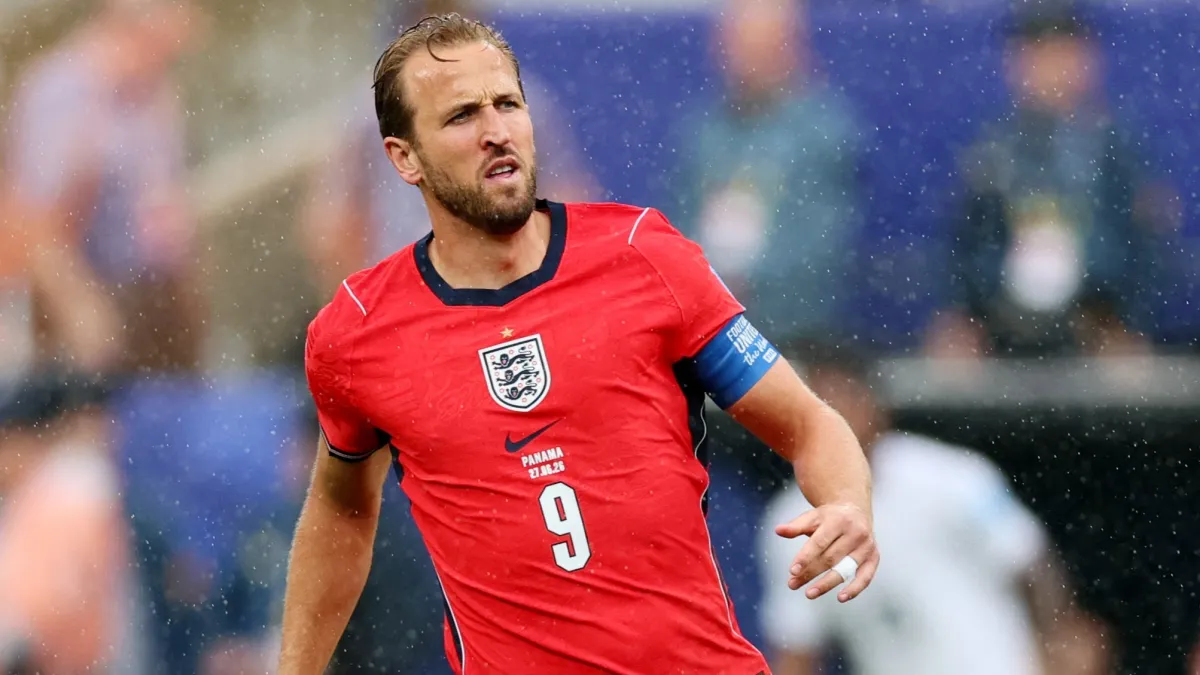
England’s meeting with Mexico has sparked one of the stranger discussions of the tournament, but the real issue is far more serious than the headline-grabbing rumour. As the World Cup 2026 moves deeper into its biggest fixtures, attention has turned to how elite players manage the physical toll of competing in Mexico City’s thin air.
The conversation began after claims surfaced that England could consider sildenafil, widely known by its brand name Viagra, to help players adapt to altitude. The suggestion quickly drew attention because the Football World Cup 2026 is being staged across very different climates and elevations, with Mexico City among the toughest environments any squad may face.
Why altitude has become part of the story
Mexico City presents a unique challenge in the FIFA World Cup 2026 because reduced oxygen levels can affect stamina, recovery and decision-making late in matches. For teams used to playing closer to sea level, that can alter match planning as much as any tactical decision.
England manager Thomas Tuchel firmly rejected the idea that such medication was part of the team’s preparation. Midfielder Jordan Henderson also brushed off the reports, reinforcing the view that the story has generated more noise than substance ahead of a high-stakes knockout tie.
Still, altitude remains a valid issue for the World Cup 2026 host countries, especially when tournament matches are spread across the USA, Mexico and Canada. Not every venue creates the same physical demands, which is why preparation for the World Cup 2026 schedule can vary sharply from one city to another.
Read more: Why major tournaments reshape global sport travel
What sildenafil is thought to do in sport
Sildenafil was originally developed to treat pressure in the blood vessels of the lungs before becoming better known for other medical uses. In sports science, its possible role at altitude has been studied because it may help relax blood vessels and improve oxygen movement through the body in low-oxygen conditions.
That has led to periodic debate before major matches in elevated cities. But the evidence is far from conclusive. Some studies suggest a possible benefit for certain individuals, while others show little meaningful impact on endurance or performance.
In practical terms, that means it is not widely accepted as a proven edge for healthy professional footballers. For a tournament as scrutinised as the World Cup 2026, teams are more likely to rely on acclimatisation work, hydration, recovery routines and smart squad rotation than on experimental ideas.
Why the science remains uncertain
- Responses to altitude differ from player to player
- Research findings have been mixed rather than definitive
- Elite football performance depends on far more than oxygen efficiency alone
- Coaches generally prefer tested preparation methods over speculative gains
Explore: How live sport is changing the way fans follow big events
Is it allowed under anti-doping rules?
Yes. Sildenafil is not on the World Anti-Doping Agency prohibited list, so it is permitted in competition. That point matters because speculation often blurs the line between unusual and illegal, and in this case they are not the same thing.
Anti-doping authorities have reviewed the substance before, particularly in relation to altitude performance, but the evidence has not been strong enough to justify a ban. Even so, there is no public sign that its use is routine in elite international football.
That context is important for fans following the World Cup 2026 fixtures and the wider discussion around performance preparation. A legal substance is not automatically a meaningful tactical tool, and there is little to suggest this has become standard practice.
Read more: The new era of global events and premium fan experiences
What this means for England and the tournament
The bigger takeaway is not the rumour itself but what it reveals about the demands of World Cup 2026. With a 48 team World Cup, more travel, more varied climates and a broader spread of World Cup 2026 venues, preparation has become more complex than ever.
For England, the challenge against Mexico is likely to be decided by tempo control, squad management and mental sharpness rather than medical mythology. For supporters tracking the World Cup 2026 dates, knockout stage narratives and major host-city storylines, this episode is a reminder that tournament football is often shaped as much by environment as by form.
As the World Cup 2026 unfolds, altitude in Mexico City will remain a real competitive factor. But for now, England’s focus appears to be on football solutions, not fanciful shortcuts.
Explore: Inside the growing demand for international sports fan guides