


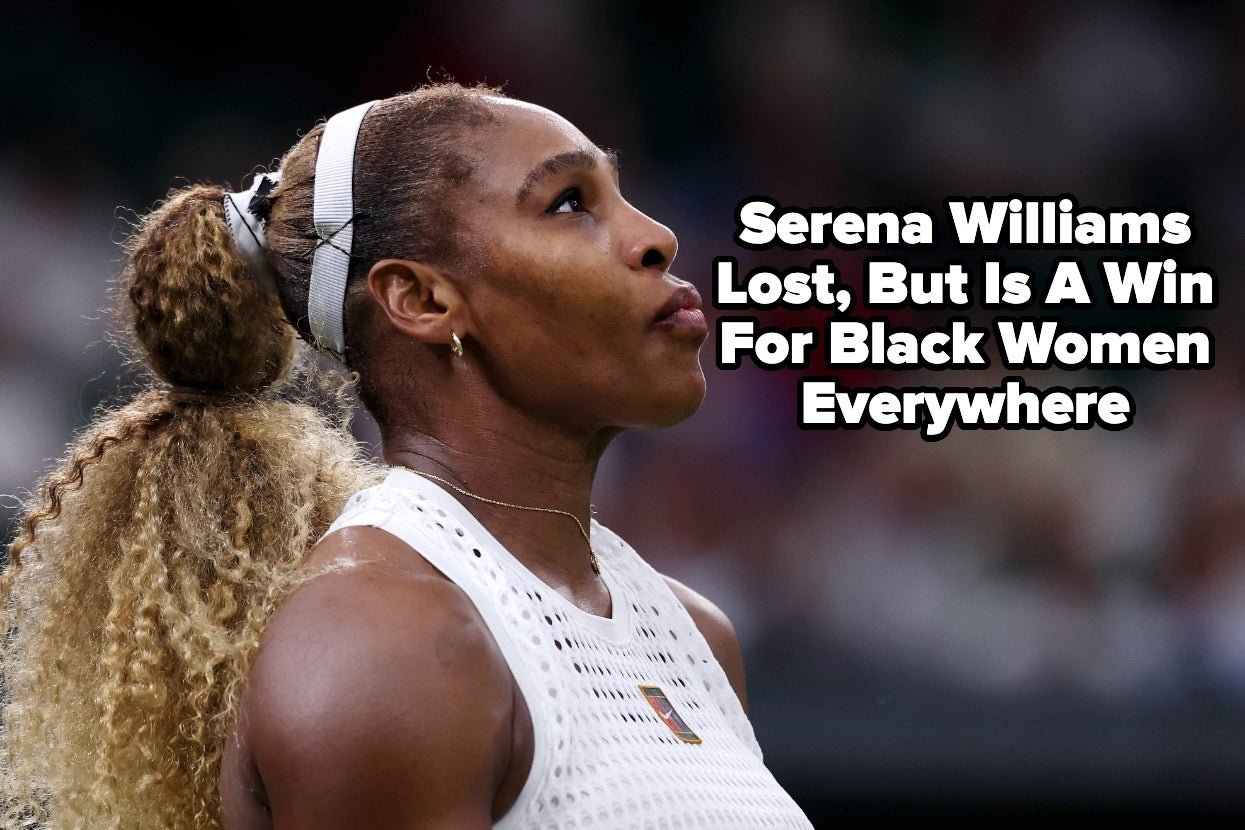
In the world of the daily trending topic, few stories cut deeper than Serena Williams’ return to Wimbledon. She may have lost on the court, but the wider meaning of her comeback has resonated far beyond tennis, especially for Black women who rarely get the freedom to choose their own timing, fail publicly, and still be celebrated for their agency.
Serena’s return sparked fierce debate. Some praised her determination, while others questioned whether a wild card entry should have gone to a younger player. But that reaction says as much about society as it does about sport. When male athletes return after time away, the narrative often centres on courage, grit, and legacy. When women return, particularly Black women, they are too often asked to justify their place before they even begin.
Why Serena’s Comeback Became a Daily Trending Topic
This daily trending topic is not really about one first-round loss. It is about who gets to make decisions on their own terms. Serena Williams has spent decades being scrutinised for everything from her emotions and clothing to her body language and career choices. Her comeback was not a plea for approval; it was a declaration that she alone decides when she is finished.
That message matters. In elite sport and beyond, Black women are frequently expected to overperform simply to be seen as deserving of the opportunity. The pressure is relentless:
- Be grateful, but not too bold
- Be confident, but never “too much”
- Succeed immediately, or expect criticism
- Return only if you can guarantee a perfect ending
Serena’s presence challenged all of that. She showed that choosing to return can be meaningful in itself, regardless of the result.
Read more: Top Ireland breaking news and daily culture stories | Ireland media trends, celebrity updates and entertainment analysis
What This Moment Means for Black Women
The reason this daily trending topic struck such a nerve is simple: autonomy is still not equally distributed. Black women are often told, directly or indirectly, that every opportunity is conditional. If they are invited into a space, they must excel instantly, remain humble, and never appear disappointed when things go wrong.
Serena Williams has spent her career resisting those expectations. Through racism, sexism, and more recently age-based criticism, she has remained one of the most influential figures in global sport. Her Wimbledon return added another layer to that legacy: the right to restart without needing to promise victory.
That lesson reaches beyond tennis. Whether in workplaces, media, business, or public life, many women recognise the burden Serena’s story exposes. The freedom to try again, to fail, and to still own the decision is powerful.
The real victory behind the loss
There is a tendency in sports coverage to reduce everything to wins and losses. But this daily trending topic reminds us that some moments carry social meaning that cannot be measured by a scoreboard. Serena’s return was defiant because it rejected the idea that worth only exists in triumph.
In that sense, her comeback represented:
- Self-determination over public expectation
- A challenge to double standards in sport
- Visibility for older women athletes
- A broader statement about freedom, dignity, and choice
Explore more: Luxury lifestyle trends in Ireland and global culture features | Irish trending stories, opinion pieces and viral talking points
Why the Conversation Still Matters
As a daily trending topic, this story has lasted because it reflects a bigger cultural truth. Serena Williams did not need to win to make an impact. Her return opened up a conversation about who is allowed to take up space, who is granted grace, and who is criticised simply for wanting another chance.
For many fans, the most important part of Serena’s comeback was not nostalgia. It was what her choice symbolised: that Black women, too, deserve the freedom to decide, to begin again, and to exist outside impossible standards.
That is why this daily trending topic matters far beyond Wimbledon. Serena Williams’ loss may have ended a match, but it also delivered a powerful reminder that agency, not applause, is sometimes the real win.