


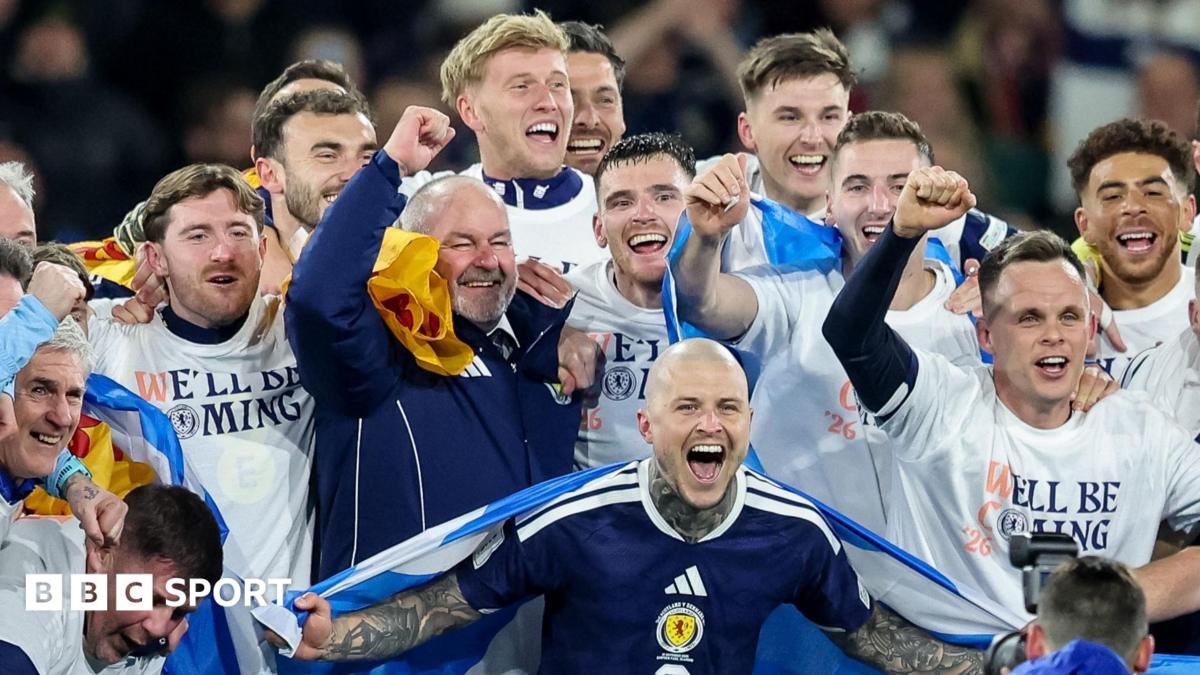
Scotland’s elimination in North America was dramatic enough, but the bigger shock came moments later when Steve Clarke stepped down. The timing stunned supporters and officials alike, and it now leaves Scotland facing a pivotal rebuild just as attention turns to the World Cup 2026 and what comes next for the national side.
Clarke’s departure closes one of the most consequential managerial spells in modern Scottish football. He restored relevance, ended years of drift and guided the country back to major tournaments. Yet the final chapter was defined by frustration, with Scotland again unable to break through on the biggest stage.
What Clarke changed for Scotland
When Clarke took charge, Scotland were burdened by apathy and underachievement. He changed the mood, brought structure and belief, and delivered qualification runs that reconnected the team with its support. In pure results terms, his record deserves respect:
- Three major tournament appearances in seven years
- A long-awaited return to meaningful qualification success
- Major financial and reputational gains for the Scottish FA
- Memorable wins that revived Hampden as a forceful home venue
That legacy matters, especially given where Scotland had been before his arrival. The problem is that tournament football remained the missing piece. Strong qualification campaigns repeatedly gave way to disappointing finals performances.
Read more: Latest football transfer developments shaping national teams
Why the timing feels so significant
The abrupt nature of the decision has intensified the debate. Clarke had only recently been backed to continue, so this was not widely expected. That creates immediate pressure on the Scottish FA, which must now identify a successor capable of refreshing an ageing squad while keeping qualification standards high.
It also lands at a time when global focus is moving toward the FIFA World Cup 2026, including discussion around the 48 team World Cup, the World Cup 2026 schedule and the evolving international landscape. For Scotland, the bigger issue is internal: who can develop the next cycle of players and raise the team beyond merely reaching tournaments?
The challenges awaiting the next manager
- An experienced squad that needs gradual renewal
- Questions in goal and central defence
- A lack of creativity in midfield
- Too few direct wide options and limited service for forwards
Explore: How sports broadcasting shapes fan access to major tournaments
What it means before the next international cycle
Scotland are not starting from zero, but they are entering a delicate transition. The next manager inherits a team with character and tournament know-how, yet one that must evolve quickly. Conversations around World Cup 2026 teams, World Cup 2026 fixtures and the World Cup 2026 format will dominate football coverage, but Scotland’s real priority is building a side that can compete more boldly when those moments arrive.
For supporters tracking Ireland World Cup 2026 qualifiers, England World Cup 2026 fixtures or Scotland World Cup 2026 storylines, this managerial call instantly becomes one of the most important decisions in British football.
Read more: Smart travel tips for fans planning big sporting trips
Final verdict
Steve Clarke leaves behind a stronger Scotland than the one he inherited, even if the ending was abrupt and unsatisfying. His tenure brought belief back, but the next phase demands more than resilience. If Scotland are to make a deeper impression in the era of the World Cup 2026, the next appointment must combine continuity with sharper ambition.
Article/Image Courtesy: BBC