


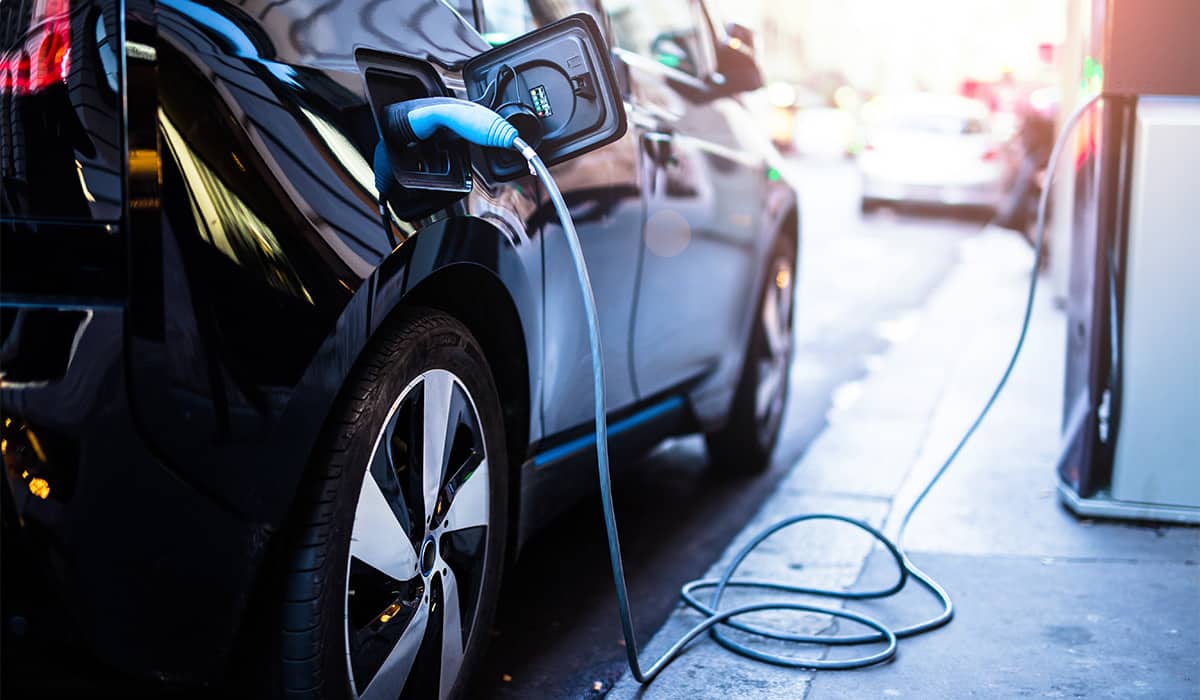
Drivers tracking breaking news ireland are facing another cost-of-living jolt: public EV charging prices have climbed again, pushing Ireland to become the third most expensive country in Europe for charging an electric car. The latest increase is raising fresh questions about whether the switch to cleaner transport can stay affordable for ordinary motorists.
Ionity, which runs high-speed 350kW chargers at Circle K locations, has increased its public charging rate from 81.5c per kWh to 85c per kWh. That 4% jump means some EV drivers could now pay amounts comparable to petrol or diesel on a per-kilometre basis, a worrying development for consumers watching ireland economy news and ireland cost of living news closely.
Why public charging prices are rising in breaking news ireland
According to Ionity, the latest spike is being driven by turmoil in global energy markets. The operator said electricity and gas prices remain closely linked across Europe, with gas-fired generation often setting the market rate for power. Disruption to LNG supplies from the Gulf region, tied to the US-Iran conflict, has added pressure to already strained wholesale energy markets.
Key factors behind the increase include:
- Reduced LNG supply reaching Europe
- Higher wholesale electricity prices, reportedly up by as much as 25%
- Low European gas storage levels
- Continuing competition for limited energy imports
For readers following ireland energy news, the message is clear: international instability is now having a direct effect on local charging bills.
Climate targets and ireland current affairs
The timing is especially awkward. New CSO figures show Ireland’s greenhouse gas emissions fell by just 0.5% in 2024, a modest decline that has renewed debate across ireland current affairs and ireland government news. If EV running costs continue to rise, campaigners fear fewer drivers will make the move away from fossil-fuel cars.
Green Party leader Roderic O’Gorman welcomed the emissions drop but warned that Ireland risks missing its climate targets. He also criticised delays around climate planning and argued that failure to cut emissions could leave taxpayers exposed to further EU-related costs.
What it means for motorists
For EV owners and buyers, the latest ireland updates may influence decisions in several ways:
- Public charging may become less cost-effective than expected
- Home charging will look increasingly attractive where possible
- Potential buyers may delay switching to electric vehicles
- Transport policy could face renewed scrutiny
Conclusion
This round of breaking news ireland highlights a growing tension at the heart of Ireland’s climate transition: cleaner travel must also remain affordable. With public charging costs rising and emissions reductions still modest, the next phase of policy and infrastructure investment will be crucial. For anyone following ireland news today, this is more than a price update – it is a warning sign for the future of EV adoption.